Combination Systems For Softening Water And Removing Iron

Ever turn on the tap and see orange stains in your sink, or feel that weird, slippery film on your hands after washing them? That’s the double trouble of hard water and iron c...
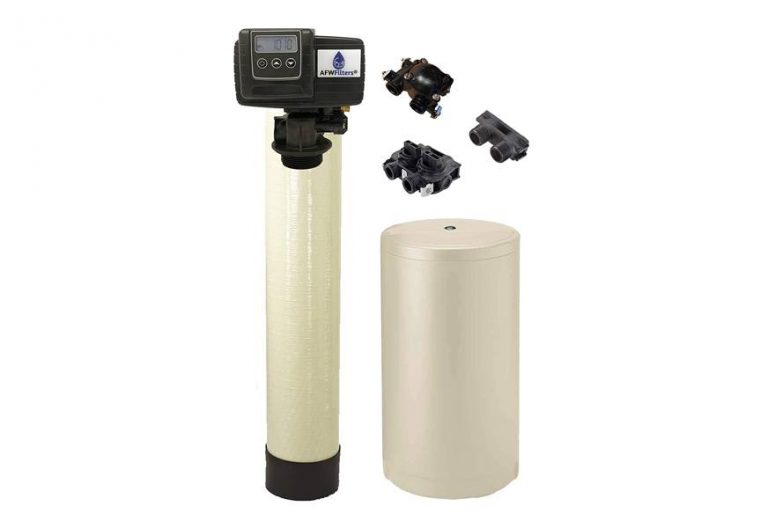
Ever turn on the tap and see orange stains in your sink, or feel that weird, slippery film on your hands after washing them? That’s the double trouble of hard water and iron crashing your plumbing party. It’s like having two annoying houseguests who refuse to leave.
But here’s the cool part: you don’t have to kick them out one at a time. There are combo systems that soften water and remove iron in one smooth, science-y move. Think of it as a two-for-one deal for your water supply.
Why Should You Care About Both?
Hard water is all about calcium and magnesium—those minerals that leave crusty white buildup on your faucets and ruin your coffee maker. Iron, on the other hand, is the sneaky artist that paints your laundry, toilets, and sinks with rusty orange streaks.
Must Read
Separately, they’re annoying. Together, they can clog pipes, make your water taste like a metal coin, and even stain your hair a weird orange tint. Ever tried explaining why your blonde highlights turned rusty? Yeah, not fun.
So, why not tackle both with one smart system? It’s like getting a vacuum cleaner that also mops—less hassle, more chill.
How These Combo Systems Actually Work
Most combo units are dual-tank systems or single tanks with a special resin that catches both hardness minerals and iron. The star player is usually a cation exchange resin—a bunch of tiny beads that swap magnesium and calcium for sodium, just like a regular softener.
But the magic happens when iron shows up. The resin grabs iron ions, too, especially if it’s “clear water iron” (the kind you can’t see until it hits air). Some systems add a manganese greensand filter or an oxidizing agent to convert dissolved iron into solid particles that get trapped.
Think of it as a bouncer at a club—hard water minerals and iron are on the guest list, but they get escorted out before they cause trouble. The system then regenerates by flushing with salt water, washing the unwanted stuff down the drain.
Is This the Same as a Water Filter?
Not exactly—and this catches a lot of people off guard. A combo water softener and iron remover is not the same as a whole-house filter for taste or odor. It won’t remove chlorine, bacteria, or pesticides.
It’s specifically designed to strip out hardness and iron that mess up your pipes and appliances. If you want crystal-clear, great-tasting drinking water, you might still need a separate carbon filter or reverse osmosis system.
But for the main event—saving your washing machine, water heater, and showerheads from mineral gunk? This combo is your MVP.
 9 Best Iron Removal System for Well Water, Plus 1 to Avoid (2022 Buyers
Who Needs This Kind of Setup?
If you’re on a private well, chances are you’ve got both hard water and iron sneaking into your home. Well water is like nature’s wild card—it picks up minerals and metals from the ground as it travels.
Even city water can have elevated iron levels if the pipes are old or corroded. So if you see rusty stains in your toilet bowl or feel a slippery texture on your skin after a shower, it’s time to look into a combo system.
And here’s the kicker: many conventional water softeners can handle a little iron (like 1–2 parts per million). But if your iron is higher than that—say, 5 ppm or more—you’ll need a dedicated iron filter paired with a softener, or a specialized combo unit.
What About Maintenance?
It’s not rocket science, but you do need to stay on top of it. Most combo systems use salt for regeneration, so you’ll fill a brine tank every few weeks—like refilling a pet’s food bowl.
Some iron-heavy systems require a chemical cleaner every now and then to keep the resin from turning into a rusty brick. Think of it as a deep cleaning for your water’s muscles.
But honestly, the trade-off is worth it. No more scrubbing orange stains out of your toilet, no more buying bottled water just to wash your hair. Your appliances last longer, your skin feels smoother, and your laundry stays its actual color.
Is It Expensive?
Initial costs can make you blink—a quality combo system might run from $800 to $2,500, plus installation. But compare that to replacing a water heater every five years because it got clogged with iron scale?
Your wallet might actually thank you in the long run. Plus, you’ll save on soap, detergent, and those pricey “descaling” products. It’s like buying a good pair of boots—pricy upfront, but saves your feet (and your mood) for years.
So, next time you see that rusty ring in the toilet or feel that weird slime on your hands, don’t just sigh. Ask yourself: wouldn’t it be cooler to let a single, clever machine handle both problems at once? Your plumbing will thank you, and your morning shower will feel like a spa—without the orange aftertaste.
