Commercial-grade Bottleless Coolers For Medical Facilities

Picture this: a packed ER on a Tuesday night. A nurse is running on fumes and bad coffee, and she reaches for the water cooler in the break room. But it’s empty. Again. The de...

Picture this: a packed ER on a Tuesday night. A nurse is running on fumes and bad coffee, and she reaches for the water cooler in the break room. But it’s empty. Again. The delivery guy isn’t coming until Thursday. She sighs, grabs a tap-water bottle from the sink, and prays it doesn’t taste like rusty pipes. Sound familiar? Yeah, I’ve been there too. That little drama plays out in clinics and hospitals every single day, and it’s a total buzzkill for morale (and hydration).
That’s where commercial-grade bottleless coolers come in to save the day—and your sanity. These aren’t your grandma’s bulky water jugs with the creepy blue plastic domes. We’re talking sleek, plumbed-in machines that connect directly to your building’s water line. No more lugging 40-pound bottles, no more running out when the supply truck is stuck in traffic. You simply plug it in and forget it.
Why Medical Facilities Need This Upgrade
Let’s be real: hospitals and clinics aren’t like your average office. You’ve got infection control protocols stricter than a TSA agent at the airport. Those big plastic water jugs? They’re a nightmare. Bacteria love to party in the crevices of those jug dispensers, especially if they’re not cleaned regularly. And be honest—when’s the last time someone scrubbed yours? I’ll wait.
Must Read
Bottleless coolers use advanced multi-stage filtration (carbon, UV light, reverse osmosis—oh my!) to zap contaminants on the spot. They’re designed with stainless steel touchpoints and anti-microbial surfaces that make infection control officers sleep better at night. Plus, they eliminate the need for storing stacks of plastic bottles, which frees up storage space for things like, I don’t know, actual medical supplies.
The Hidden Cost Savings You Didn't See Coming
Okay, let’s talk money—because I know budget meetings are the real ER drama. Bottled water contracts are sneaky. They nickel-and-dime you with delivery fees, rental charges, and “emergency” surcharges when you run dry. Bottleless coolers are a one-time purchase or lease (some models include maintenance in the deal). Over a year, you’ll save hundreds, maybe thousands, of dollars. Imagine that cash going toward new gloves or a fancy espresso machine for the staff lounge. Priorities, people.
And the sustainability angle? It’s huge. Medical facilities produce mountains of plastic waste daily—from IV bags to syringes—and those single-use water bottles just add to the landfill heap. Going bottleless cuts down your carbon footprint by thousands of plastic bottles per year. Your green team will throw you a parade. Well, maybe a polite nod in the hallway.
Real Talk: Installation and Maintenance
You might be thinking, “Oh great, another construction project that’ll block my parking lot.” But here’s the kicker: most commercial-grade coolers are designed for easy retrofitting. They tap into existing water lines under sinks or behind walls. Installation often takes under two hours. Seriously, it’s like having a plumber for a single coffee date, except you don’t have to make awkward small talk. Maintenance is usually a snap too—filter changes every 6-12 months, depending on water quality.
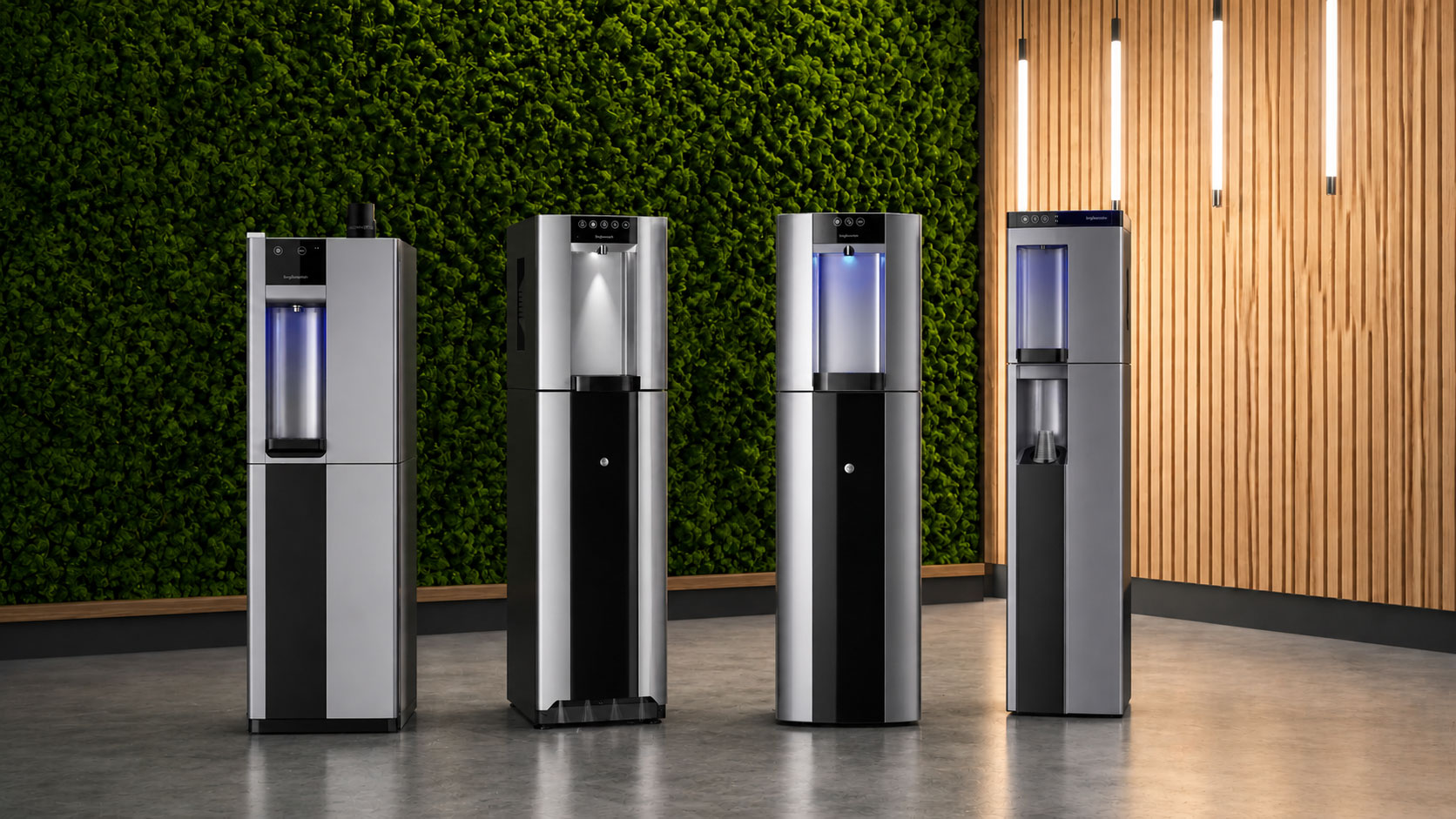 Bottleless Water Coolers in Georgia | MBG Water & Ice
Some models even have hot water taps for instant tea or soup, and child-safety locks (because, yes, toddlers in pediatric wards will try to brew a coffee). Just make sure to choose a unit with a high filtration capacity—medical facilities often have older pipes that can leach lead or copper. Don’t skimp on the UV stage, okay?
The “Wait, Is It Safe?” Question
I hear you whispering: “What about legionella? Or bacteria growing in the internal lines?” Valid fear, my friend. But reputable bottleless coolers are built with continuous circulation systems to prevent stagnation. Many include self-sanitizing cycles (like a dishwasher for your water) and copper-ionization to nuke pathogens. Of course, you’ll still need to wipe down the exterior (germy hands from nurses, patients, that one guy who sneezes on everything). But compared to jug dispensers? These things are clean machines.
Bottom Line: Your Staff Deserves Better
Let’s circle back to our tired nurse from the beginning. Imagine her reaction when she walks into the break room and sees a shiny new bottleless cooler, pushing out ice-cold, crisp water without a single delivery truck in sight. She’ll probably kiss you. Okay, maybe not kiss, but definitely send a heartfelt email to HR. In a high-stress environment like a medical facility, hydrated, happy staff work smarter and safer. Plus, patients notice when the water tastes good (I once heard a patient call hospital tap water “tinny sadness”—yikes).
So go ahead, ditch the jugs. Embrace the plumb-in. Your facility, your wallet, and your staff’s taste buds will thank you. And if you run into a delivery guy crying over lost business, buy him a coffee from your new hot tap. That’s just good karma.
