What's The Difference Between Purified And Distilled Water

Picture this: you’re standing in the water aisle of a grocery store, staring at a wall of plastic bottles. One screams “Purified!” while another whispers “Distilled!” You grab...
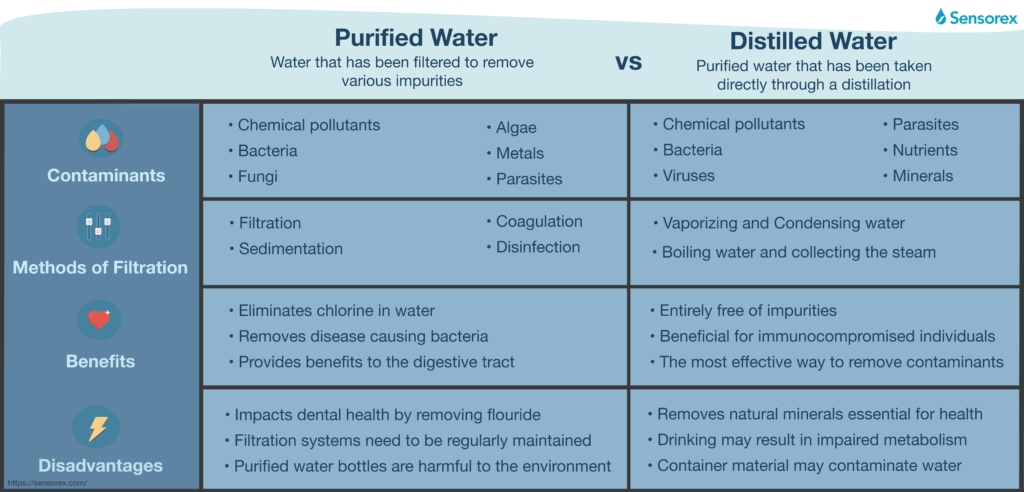
Picture this: you’re standing in the water aisle of a grocery store, staring at a wall of plastic bottles. One screams “Purified!” while another whispers “Distilled!” You grab both, squinting, like a caveman trying to read a smartphone. Spoiler alert: they are not the same, and this isn’t just marketing magic. Let’s wade into the soggy, science-y truth.
The Origins: Where Your Water Begins
Both purified and distilled water start their lives as regular tap water, spring water, or even something worse—like ditch water (please don’t test this). Purification is the fancy umbrella term for any process that yanks out impurities. Distillation is just one specific purification method, like how a poodle is a specific type of dog. But while all poodles are dogs, not all water purification is distillation—got it? Good.
Think of tap water as the wild friend who shows up to a party with dirt, chlorine, and maybe a hint of lead. Purified water says, “I’ll filter that mess.” Distilled water says, “I’ll boil it into steam, grab the pure cloud, and yeet the rest into a sewer.” One is a thorough cleanup; the other is a temper tantrum in scientific form.
Must Read
The Secret Sauce: How They Actually Work
Purified water runs through a series of filters—carbon, reverse osmosis, or UV light—to scrub away 99.9% of contaminants. It’s like sending your water to a high-end spa with a microbe-eating sauna. Distilled water, on the other hand, is a diva that demands a full evaporation stage. You boil it, catch the steam, condense it back to liquid, and leave behind the minerals, germs, and any regrets the water had in a past life.
Here’s the kicker: distillation kills everything, including the good stuff. Yes, good stuff. Minerals like calcium and magnesium? Gone. Distilled water is so pure it’s basically a liquid existential crisis—no flavor, no nutrients, just a sad, clean ghost of H2O. Meanwhile, purified water often keeps some minerals in, depending on the method. So if you’re looking for water with a personality, go purified. If you want water that has zero baggage, go distilled.
The Taste Test: What Your Tongue Thinks
Pour yourself a glass of each and prepare for a mouth-based Olympics. Purified water tastes crisp, maybe even a little sweet, because it still has a whisper of minerals. Distilled water tastes flat, like memory foam for your taste buds—no tango, no sparkle. Why? Because distillation strips out the dissolved oxygen and minerals that give water its zing. People describe it as “metallic” or “empty.” I describe it as “the noise a mime makes when drinking.”
But here’s a secret: your coffee or tea will taste better with distilled water. No extra ions to ruin the extraction! However, don’t drink it every day—your body needs the minerals distilled water steals. Surprising fact: prolonged distilled water consumption can actually leach minerals from your teeth and bones. Yes, you could become a brittle, cranky skeleton. Don’t be that guy.
 Is There A Difference Between Purified Water And Distilled Water at
When to Use Each: The Practical (and Funny) Guide
Purified Water
Use purified water for drinking, cooking pasta, or making ice cubes that don’t taste like your fridge’s soul. It’s safe, tasty, and won’t make your body mourn its missing magnesium.
Do not use it in a humidifier unless you want white dust coating your furniture like a creepy, mineral-based blizzard. Also, good luck explaining that to your landlord.
Distilled Water
Distilled water is the MVP of household machines. Use it in your iron (no scale, no angry spitting), your car’s battery (if you own a classic car that’s still wet—why?), and your CPAP machine (so you don’t breathe in bacteria).
Never, ever use distilled water for your fish tank. Fish need minerals to, you know, live. Pouring distilled water into a tank is like putting a human in a sensory deprivation chamber with no snacks. Your goldfish will stage a protest.
The Surprising Facts That Will Win You Trivia Night
Here’s a doozy: distilled water conducts electricity better than tap water at first, but after it sits, it absorbs carbon dioxide from the air and turns slightly acidic. Yes, your “pure” water becomes weak carbonic acid. Mind. Blown. Meanwhile, purified water can be stored for years if sealed, but distilled water will start tasting weird within weeks—it’s hangry for minerals.
Also, companies that sell “distilled water” in plastic bottles are hilarious. Plastic bottles leach chemicals over time, which defeats the whole “pure” purpose. The distilled water in that 2-year-old jug? It’s now a chemistry experiment in single-use hypocrisy. Drink up, microplastics!
Final Wisdom: The One You Should Buy
If you’re a normal human who wants a refreshing drink, buy purified water. It’s affordable, balanced, and won’t make your teeth sad. If you’re a mad scientist, an iron enthusiast, or the proud owner of a steam mop, buy distilled water—but drink it sparingly, like a vampire sipping holy water.
The bottom line: purified is for living, distilled is for machines. Now go forth, hydrate, and never confuse them again. Your skeleton will thank you.
