British Gas Has Issued Advice For Dealing With Frozen Pipes

So, you wake up on a frosty morning, shuffle to the kitchen in your slippers, and turn on the tap. Nothing. Not a drip. Just a sort of hollow silence that feels terribly perso...
So, you wake up on a frosty morning, shuffle to the kitchen in your slippers, and turn on the tap. Nothing. Not a drip. Just a sort of hollow silence that feels terribly personal. You’ve just met the nemesis of every British winter: the frozen pipe.
British Gas has just dropped some very sensible advice on how to handle this chilly disaster, and honestly, it’s the kind of life-jacket we all need. Think of your pipes like a grumpy old uncle—they hate sudden changes. When the temperature plummets, that water inside your pipes turns to ice, expands, and suddenly your copper pipe is cracking under pressure.
Spotting the villain before he floods your kitchen
The first sign is usually a gurgle or a trickle where you usually get a gush. You might notice your boiler making weird clicking noises, like it’s trying to clear its throat. That’s your house’s way of saying, “Help, I’m freezing my bits off!”
Must Read
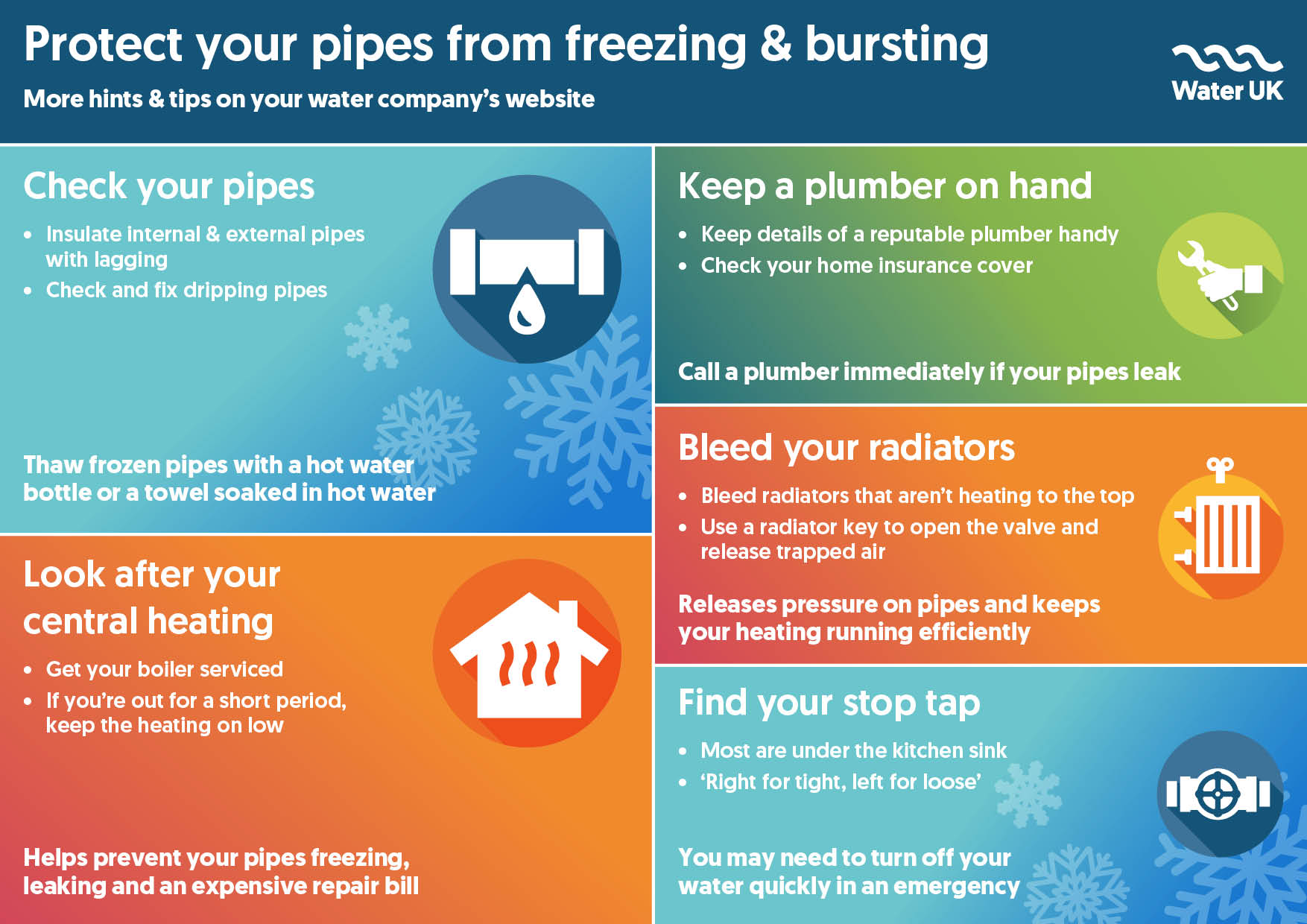
Check your loft and any outdoor pipes first—they’re the ones catching the full blast of Jack Frost’s breath. If you see a white, frosty patch on a pipe, that’s the enemy camp. British Gas says don’t panic—just grab a hairdryer (on low heat!) or a hot water bottle wrapped in a tea towel.
The “no blowtorch” rule (seriously)
Now, here’s where I have to stop you. I know the urge to grab a blowtorch or pour a kettle of boiling water over the pipe is almost primal. Do not do it. You will either melt the pipe joint, burst it spectacularly, or both. British Gas suggests gentle, stubborn warmth—like using a hairdryer on the lowest setting and moving it back and forth.
Think of it as defrosting a frozen loaf of bread, not welding a battleship. Start from the faucet end and work your way toward the frozen patch. That lets the melting water escape instead of building up pressure behind the ice dam and blowing a hole in your wall.
What if the worst happens? (The flood of tears)
If you hear a hiss or see a telltale puddle spreading across your laminate flooring, turn off your main stopcock immediately. That’s usually under the kitchen sink, and it looks like a metal lever you’ve ignored since 2014. Turn it clockwise until it stops.
Then open every cold tap in the house to drain the system. It’s like your home’s version of a crying session—let it all out. And please, for the love of your carpet, keep a mop and bucket handy. You’ll feel like a plumber, a hero, and a slightly damp person all at once.
Prevention: the boring but brilliant bit
The real win is stopping this before it happens. British Gas says to lag your pipes—which is a fancy way of saying wrap them in foam tubes from the hardware shop. It’s cheaper than a takeaway and takes less time than watching a single episode of The Traitors.
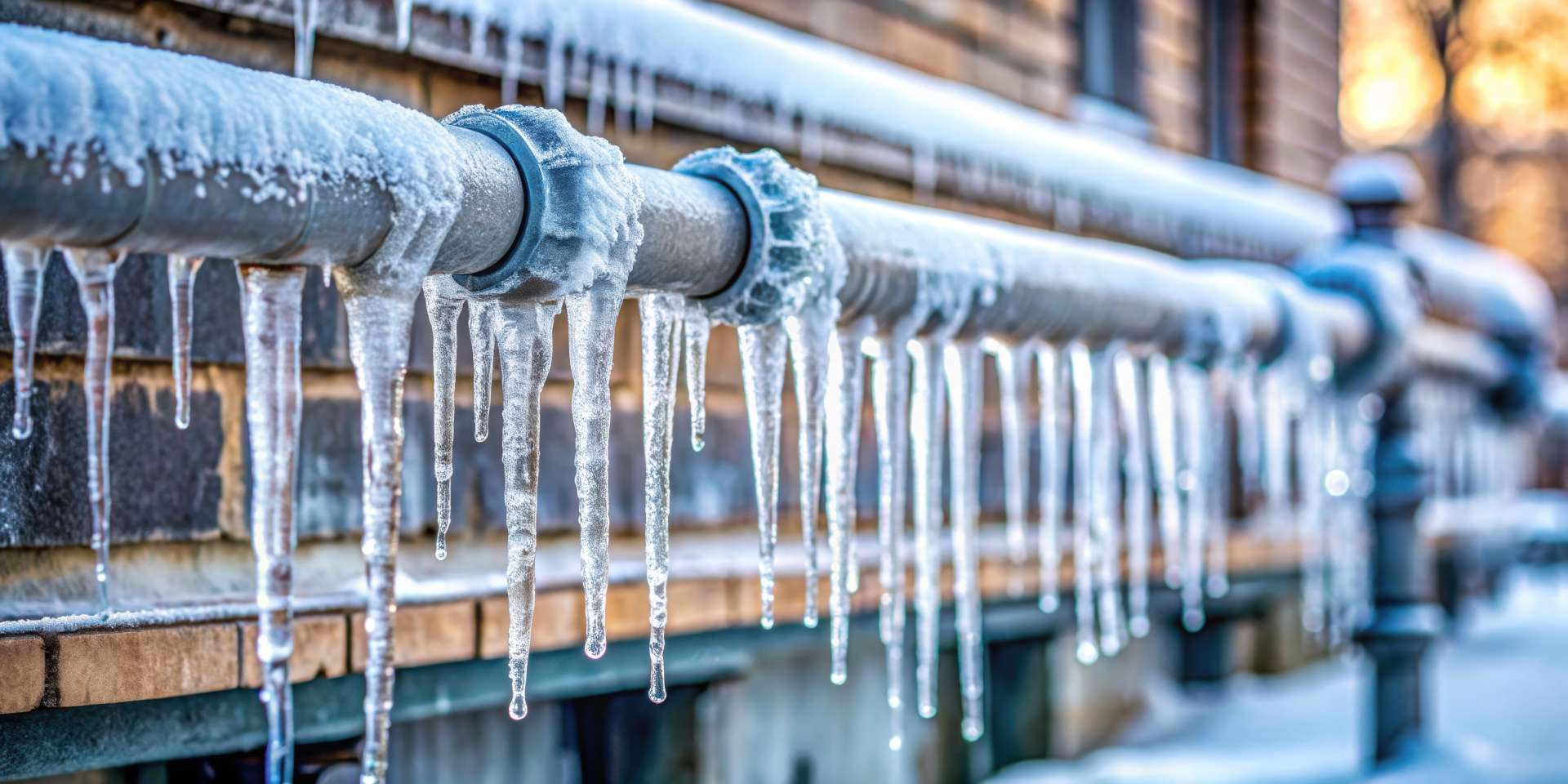 How To Warm Up Frozen Pipes | Gas Furnace
On truly freezing nights, leave your heating on a gentle low setting—like 10°C or so. Yes, your energy bill will twitch, but repairing a burst pipe costs a lot more than a few extra kilowatts. Also, open your loft hatch to let warm air rise up there. Pipes get lonely and cold in the dark.
Another pro tip: open your kitchen and bathroom cabinet doors slightly. That lets the warmth of your home circulate around the pipes under the sink. It sounds daft, but it’s like giving your plumbing a little hug.
When to call in the pros (and save your sanity)
If you’ve tried the hairdryer trick for twenty minutes and the pipe still looks like a frozen popsicle, it’s time to call a professional. British Gas has a dedicated helpline for this, and they’re actually quite nice to talk to—even at 3 AM.
Don’t be a hero. A frozen pipe that you ram with a hammer will eventually explode, and your living room will become an indoor swimming pool. Trust me, the embarrassment of calling a plumber is far better than the dread of calling your insurance company.
The silver lining (yes, there is one)
Here’s the funny thing: most frozen pipes thaw on their own when the weather warms up. You might wake up tomorrow to a perfectly normal tap, and wonder if you hallucinated the whole ordeal. If that happens, breathe a sigh of relief, then go buy some pipe lagging immediately.
Because next winter, that same gurgle will come back, and it’ll be looking for revenge. Be prepared, be warm, and remember: your pipes are only as tough as the insulation you give them. Plus, you’ll have a great story to tell your mates at the pub about the time you became a domestic heating hero.
So stay cosy, keep your hot water bottle handy, and if you hear a drip-drip-drip in the night, just give your pipes a little nod. You’ve got this.
