Leading Uv Disinfection Technologies Class A Reuse Standards

Okay, let’s talk about something that sounds super technical but is actually really cool: UV disinfection for water reuse. Ever wonder where water goes after you flush? It’s n...
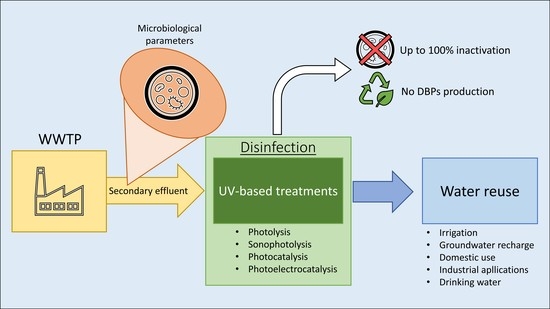
Okay, let’s talk about something that sounds super technical but is actually really cool: UV disinfection for water reuse. Ever wonder where water goes after you flush? It’s not magic—it’s science, and it’s getting a serious upgrade with high-tech UV light.
What’s the Big Deal with Class A Reuse?
Think of Class A water as the rock star of recycled water. It’s so clean you can use it for almost anything—irrigating a lettuce field, washing a car, or even cooling a data center. And to hit that grade, you need some serious disinfection.
That’s where UV light steps in. It’s like a tiny lightsaber that zaps germs, viruses, and parasites without adding a single chemical to the water. Pretty neat, right?
Must Read
The Heavy Hitters: Leading UV Technologies
So, which UV tech is actually leading the charge? The biggest players use low-pressure and medium-pressure lamps. Low-pressure lamps sip energy like a hummingbird, while medium-pressure ones blast everything with a broad-spectrum punch—like a superhero who doesn’t pick favorites.
But here’s the fun part: newer systems use pulsed UV or LED arrays. Imagine a camera flash that’s a million times stronger, frying bacteria in milliseconds. Suddenly, waiting for water to boil feels ancient, right?
Why Class A Standards Are a Game-Changer
Reaching Class A means your water meets unrestricted reuse criteria. That’s a fancy way of saying it’s cleaner than some tap water. Seriously—the rules are that strict. Think of it like earning a black belt in water purification.
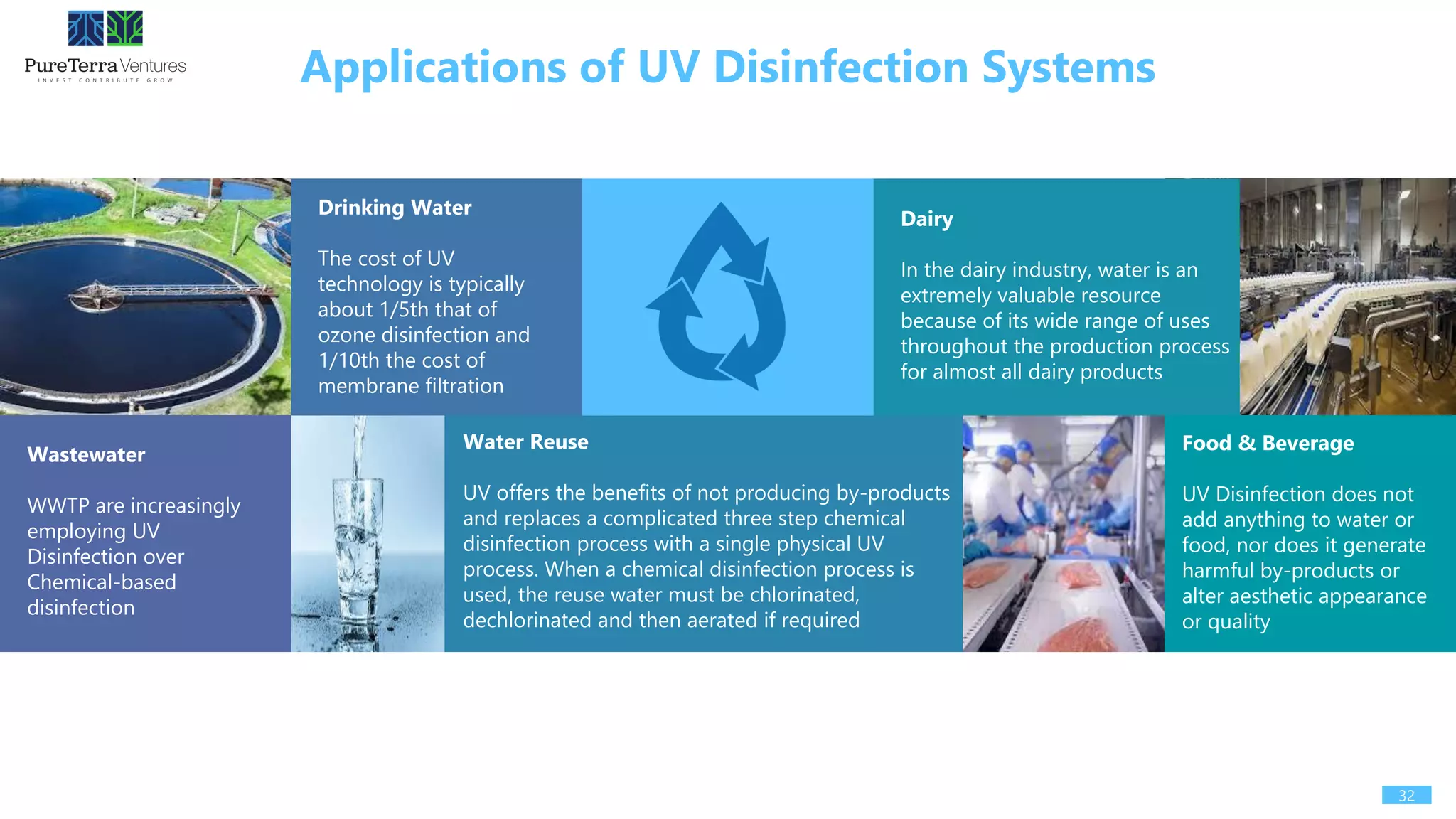
Without UV, you’d rely on chlorine or ozone, which can leave funky leftovers. UV is like a ninja: it strikes fast, leaves no trace, and never complains. Why would you want chemical sludge when you can have pure, clean light?
How Does UV Stack Up Against the Old Ways?
Remember chlorine swimming pools? That smell is actually chemical soup. UV doesn’t do that. It just breaks DNA of pathogens, making them harmless—like turning off their “reproduce” switch. Boom, no more bugs.
And parasites like Cryptosporidium? Chlorine laughs at them, but UV wipes them out instantly. It’s like bringing a flamethrower to a water balloon fight. Who knew fighting germs could feel so satisfying?
The Energy Question: Is It Worth It?
You might be thinking, “Isn’t UV expensive?” Sure, installing a system costs upfront—like buying a fancy espresso machine. But over time, LED UV systems use way less power than traditional lamps. They’re basically the Prius of water treatment.
Plus, when you’re recycling water for agriculture or industry, you save thousands on fresh water. Money saved and planet helped? That’s a win-win you can feel good about.
 UV for water treatment | PDF
The Tech That’s Changing Everything
Let’s geek out for a second: some new UV reactors use computational fluid dynamics. Don’t let the name scare you—it just means water flows perfectly so every drop gets the same UV dose. No lucky germs slipping through.
Imagine a water park slide that’s designed so every kid gets splashed equally. That’s UV engineering. It’s obsessive, and I love it. Who knew water nerds were so meticulous?
Fun Comparison: UV vs. The Sun
You know how the sun gives you a tan—and sunburn? UV disinfection uses the same UV-C wavelength, which is the germ-killing part. But unlike the sun, these systems are totally safe because they’re enclosed. Think of it as a tanning bed for bacteria—except it’s a death ray for them.
So next time you see a UV reactor, imagine it as a mini star, silently making water safe. It’s a little poetic, right?
What’s the Catch? (Spoiler: Not Much)
One hiccup: UV works best when water is clear. Cloudy water blocks the light. So reuse systems always filter first—like putting on sunscreen before a beach day. It’s just smart planning.
Also, UV doesn’t remove chemicals or metals. But for killing bacteria, viruses, and protozoa, it’s non-negotiable. In fact, Class A standards often demand UV as the final polish. It’s the cherry on top of the water treatment sundae.
Why Should You Care?
Because water scarcity is real, but so is tech that fixes it. UV disinfection makes safe water reuse possible in deserts, cities, and farms. It’s like giving the planet a second chance with every flush.
So next time you hear “UV disinfection” and “Class A reuse,” smile. You’re in on the secret: light is the new chlorine. And honestly, that’s a future worth turning on.
