Child-safe Drinking Water Solutions Contaminant Reduction Dfw

Let’s be honest: if your tap water tasted like a swimming pool, you’d probably reach for a bottle. But in DFW, where summer feels like a hair dryer aimed at your face, hydrati...

Let’s be honest: if your tap water tasted like a swimming pool, you’d probably reach for a bottle. But in DFW, where summer feels like a hair dryer aimed at your face, hydration is non-negotiable—especially for the tiny humans in your house. The good news? You don’t need a chemistry degree to give your kids clean, great-tasting water.
The Tap Truth in DFW
Dallas-Fort Worth water is generally safe, but it’s no spa retreat. Our local supply often carries higher levels of chlorine, sediment, and even lead from aging pipes. A 2023 report by the Environmental Working Group flagged over a dozen contaminants in local systems.
Think of it like this: the water leaving the treatment plant is solid, but the journey through city pipes is a road trip with occasional potholes. Infrastructure—not malice—is the culprit.
Must Read
Filter Facts: From Pitchers to Plumbed-In
You’ve got options, and they range from “set it and forget it” to “I’m basically a plumber.” Let’s break down the best bets for DFW families.
Activated Carbon Pitchers
These are the gateway filter. A Brita or PUR pitcher yanks out chlorine, taste, and some heavy metals. Fun fact: carbon filters are the same tech used in astronaut water systems—so your kid’s sippy cup is basically NASA-approved.
But here’s the catch: they won’t remove lead or PFAS (those “forever chemicals” you’ve heard about on the news). For that, you need a step up.
Under-Sink Reverse Osmosis (RO)
This is the heavy hitter of home filtration. RO systems push water through a semipermeable membrane, stripping out almost everything: lead, arsenic, nitrates, and even microplastics. In DFW, where some neighborhoods have hard water, RO systems are a quiet hero.
They install under your kitchen sink and cost about $150–$500. Practical tip: Since RO removes healthy minerals, look for models with a remineralization stage—it adds back calcium and magnesium, making water taste crisp, not flat.
Whole-House Filtration: The Premium Move
If you’re a “go big or go home” parent, this treats every tap in your home—bath, kitchen, hose. It’s pricey ($1,000–$4,000 installed), but it stops chlorine from turning your child’s bath into a chemical soup. Fun little fact: Chlorine is great for pools, but it can dry out kids’ eczema-prone skin—whole-house filtration fixes that.
Practical Tips for DFW Parents
Test your water first. Don’t guess. Buy a simple home test kit (<$20) or use the city’s annual water quality report. In DFW, check for total dissolved solids (TDS)—anything over 300 ppm means you’ll want an RO system.
Change filters on time. This is the #1 mistake. An expired filter becomes a bacteria breeder. Set a calendar reminder every 3–6 months. No one wants science experiments in their sippy cup.
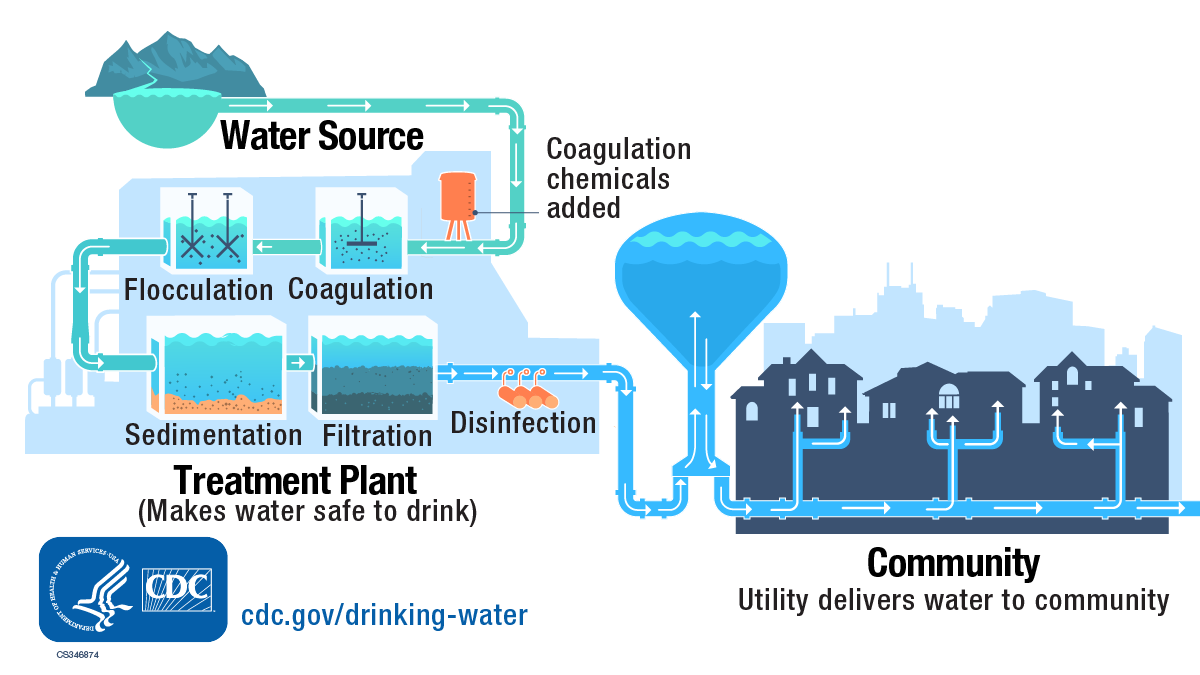 Water Filtration Process Explanation
Flush the pipes each morning. Before filling a glass, run cold water for 30 seconds. This clears out any water that sat in lead pipes overnight—simple, free, and smart.
The Cultural Context
Remember those old Dr. Pepper commercials with the “I’m a Pepper” jingle? DFW loves its fizzy drinks, but the grown-up move is raising a glass of clean water. In a region where iced tea flows like a religion, swapping for filtered water is a quiet rebellion—healthy, clear, and modern.
Plus, with the North Texas heat, kids lose water fast. A good filter means they’ll actually want to drink more, not hunt for the sugary juice box.
The Two-Minute Upgrade
Can’t install a system today? Get a faucet-mounted filter. It snaps on in two minutes, reduces chlorine and lead, and costs under $50. It’s the avocado toast of water solutions—quick, trendy, and you’ll notice the difference.
Fun fact: The average American kid drinks about 10 glasses of water a day. In DFW, that number jumps because you sweat more. Every drop counts.
Reflection: Why This Matters Over Breakfast
You’ve poured the cereal, grabbed the orange juice, and your five-year-old is negotiating for a third chocolate chip. But the glass of water next to their plate? That’s the silent anchor. It’s not glamorous, but it’s foundational.
When you reduce contaminants, you’re not just avoiding a headache—you’re giving their growing bodies a clean slate. No heavy metals competing with brain development. No mystery chemicals. Just simple, safe hydration that lets them be kids: messy, loud, and full of wonder.
So, take a breath. Grab a glass. And toast to the fact that in a world of chaos, clean water is one thing you can actually control. Cheers to the small wins.
