What's The Difference Between Alkaline Water And Regular Water

Let’s be real for a second. You’ve seen those sleek bottles with names like “Ionized Alkaline” at the grocery store, and you’ve probably wondered: is this just fancy water, or...

Let’s be real for a second. You’ve seen those sleek bottles with names like “Ionized Alkaline” at the grocery store, and you’ve probably wondered: is this just fancy water, or is there actually something to it? Spoiler alert: The answer is a little bit of both. Regular water and alkaline water share the same core ingredient—H₂O—but their chemistry and how your body handles them can feel surprisingly different.
The Chemistry Behind the Hype
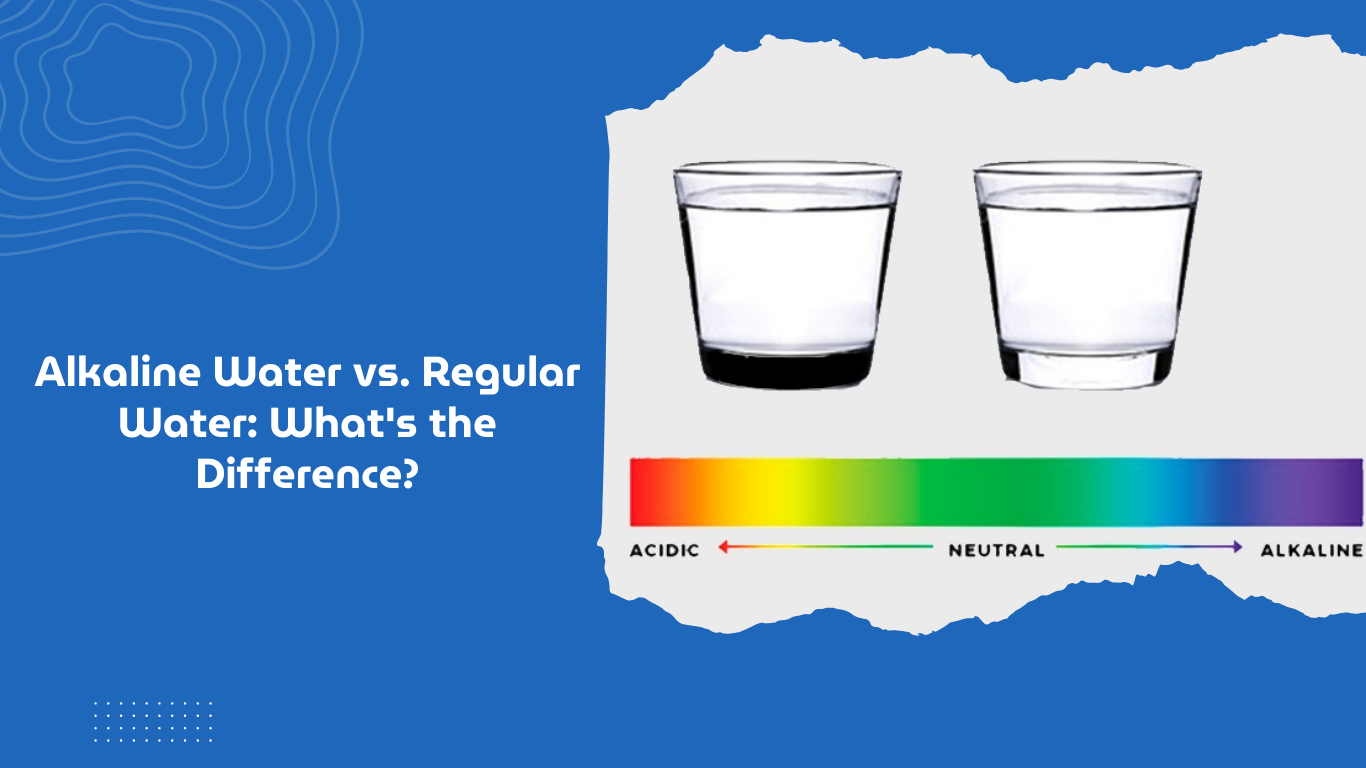
At its simplest, the difference comes down to pH levels. Regular tap or filtered water usually sits around a neutral pH of 7, while alkaline water typically clocks in between 8 and 9 on the scale. Think of pH as a measure of how acidic or basic a liquid is—lemon juice is acidic (low pH), and baking soda in water is basic (high pH).
Alkaline water gets its higher pH from naturally occurring minerals like calcium, potassium, and magnesium, or through an ionization process that separates the water into acidic and alkaline streams. Fun fact: The term “alkaline water” first became a wellness trend in Japan back in the 1990s, where ionized water machines were touted as the home gadget equivalent of a personal spa.
But here’s the kicker: your stomach is a powerful, acidic environment (around pH 2). When you drink alkaline water, your body rapidly neutralizes it with stomach acid, so the idea that it changes your whole body’s pH is a bit of a stretch. Still, the minerals themselves can be a subtle plus.
Must Read
What Regular Water Does Best
Let’s give regular water its due credit. It’s the gold standard for hydration, and it’s been doing the job for billions of years. Whether it comes from your tap, a filter, or a spring, it’s designed to transport nutrients, flush out toxins, and regulate your body temperature without any fancy footnotes.
The beauty of regular water is its simplicity. No marketing, no special bottle, no science experiment in your kitchen. Just pure, liquid H₂O that your cells recognize and use efficiently. Most nutritionists will tell you that if you’re drinking enough of it, you’re already winning at life.
Plus, remember that alkaline water often costs up to three times more than regular bottled water. Unless you’re chasing a specific benefit, your wallet might prefer the classic option—especially if you’re refilling a reusable bottle from the sink.
The Claims vs. The Science
Alkaline water’s biggest claim to fame is its supposed ability to reduce acid reflux and neutralize stomach acid. A few small studies have shown that water with a pH of 8.8 can denature pepsin, an enzyme linked to heartburn. That’s not nothing—and it’s part of why some people swear by it after spicy meals.
Another frequent pitch is that alkaline water offers superior hydration, especially after exercise. The logic goes that its smaller molecular clusters (created during ionization) might be absorbed more quickly by your tissues. Key phrase: “might.” Most research so far is preliminary, though some athletes report feeling less fatigued post-workout after drinking it.
There’s also the antioxidant angle—alkaline water often has a negative oxidation-reduction potential (ORP), which means it can theoretically neutralize free radicals. But don’t trade your blueberries for a sip of ionized water just yet. The body has its own robust antioxidant system, and a balanced diet does the heavy lifting.
Practical Tips for the Curious
If you want to dip your toes into alkaline water without going full influencer, try adding a squeeze of lemon to your regular water. Wait—is that contradictory? Actually, lemon water is acidic until it’s metabolized, but once it hits your stomach, it can have an alkalizing effect on your body. It’s a kitchen-hack version without the price tag.
 Alkaline Water vs. Regular Water: What's the Difference?
Another easy tip: use a pH test strip at home to see where your tap water falls. Some municipal water sources are naturally slightly alkaline—around 7.5 to 8—so you might already be drinking something close to premium brands. No need to buy the hype if your tap is already winning.
And if you do buy alkaline water, store it in a glass bottle if possible. Plastic can leach chemicals over time, and the pH of alkaline water might slightly increase that leaching. Keep it classy, keep it cool, and treat it as a treat, not a necessity.
Cultural Vibes and Little Facts
Alkaline water has become a staple in wellness circles—from Hollywood wellness retreats to the shelves at your local Whole Foods. Celebrities like Beyoncé and Mark Wahlberg have been photographed with alkaline brands, cementing its status as the “water of the stars.” It’s a bit like having a matcha latte instead of a regular coffee: the vibe is subtle, but the ritual feels intentional.
Here’s a fun little fact: in parts of Japan and South Korea, alkaline water machines are as common as coffee makers. They’re often called “water servers” and come with buttons for hot, cold, and alkaline levels. Imagine picking your water like you pick your coffee roast—bold, light, or ionized.
Yet for all the hype, regular water remains the most democratic beverage on the planet. No matter how you slice it—or electrolyte it—water is still water. The difference often lies in the story we tell ourselves about what we’re drinking.
The Final Sip
So, what’s the real difference between alkaline water and regular water? It’s not a magic elixir. Alkaline water offers a slight edge in certain scenarios—maybe a little relief for heartburn, a pinch of extra minerals, and a dose of placebo-powered wellness. Regular water works perfectly well for 99% of your hydration needs.
In daily life, the choice often comes down to intention. If drinking alkaline water makes you more mindful about hydration—because it feels special or tastes smoother—then by all means, go for it. But don’t let the marketing make you forget that plain old H₂O is still the star of the show.
Here’s the takeaway: The best water is the one you actually drink. Whether it’s from a tap, a filter, or a fancy bottle with a pH label, the most important thing is that you stay hydrated—and that you enjoy the ritual. Cheers to that.
