Circulating Water Over The Evaporator While The Ice Is Freezing

Last weekend, I watched my buddy Mark try to make ice for his cooler. He filled the trays, slammed them in the freezer, and waited. Four hours later? Half-frozen slush and a p...

Last weekend, I watched my buddy Mark try to make ice for his cooler. He filled the trays, slammed them in the freezer, and waited. Four hours later? Half-frozen slush and a puddle of despair. He blamed the appliance, the weather, even his cat.
I just smiled and asked, “Did you circulate the water?” He blinked at me like I’d spoken in riddles. But that’s the secret—and it’s way more fun than you’d think.
The “Duh” Moment of Ice Making
Here’s the thing: still water doesn’t freeze fast. It forms a cozy layer of ice on top, then takes its sweet time to thicken. That’s why your bar ice gets cloudy and your drinks get diluted.
Must Read
When you circulate water over the evaporator while the ice is freezing, you’re basically bullying the molecules into order. (Yeah, I said bullying—in a good way.)
Think of it like this: a lazy river versus a stagnant pond. Which one freezes faster? The moving water, because it keeps exposing fresh liquid to the cold surface.
Why Bother? (Besides Showing Off at Parties)
First, you get clear ice. Not that cloudy, crackly stuff that shatters when you bite it. I’m talking gem-quality cubes that look like they cost fifty bucks a piece. (You know, the kind bartenders love to Instagram.)
Second, it’s faster. By constantly moving the water, you prevent that insulating layer from forming. The freezer doesn’t have to work as hard, and you don’t have to wait all day for a cold drink.
Third, more ice per batch. Because the water circulates evenly, you can freeze a thicker slab without air bubbles or cracks. It’s like upgrading from a kiddie pool to an Olympic swimming pool—but for your cooler.
How the Heck Do You Do This at Home?
Okay, let’s get practical—because you’re not a commercial ice factory (unless you are, in which case, high-five, but this is for the rest of us).
You need a small pump. Yes, like the kind for a fish tank or a little fountain. Put it in your ice tray or mold, submerge it, and let it run. That’s it. The water gently circulates over the evaporator coils (or cold plate) as it freezes.
Pro tip: use distilled water for extra clarity. Your tap water’s minerals are the enemy here—they cause that milky look. Your pump will keep things moving until it eventually gets stuck in a block of ice. At that point, you win.
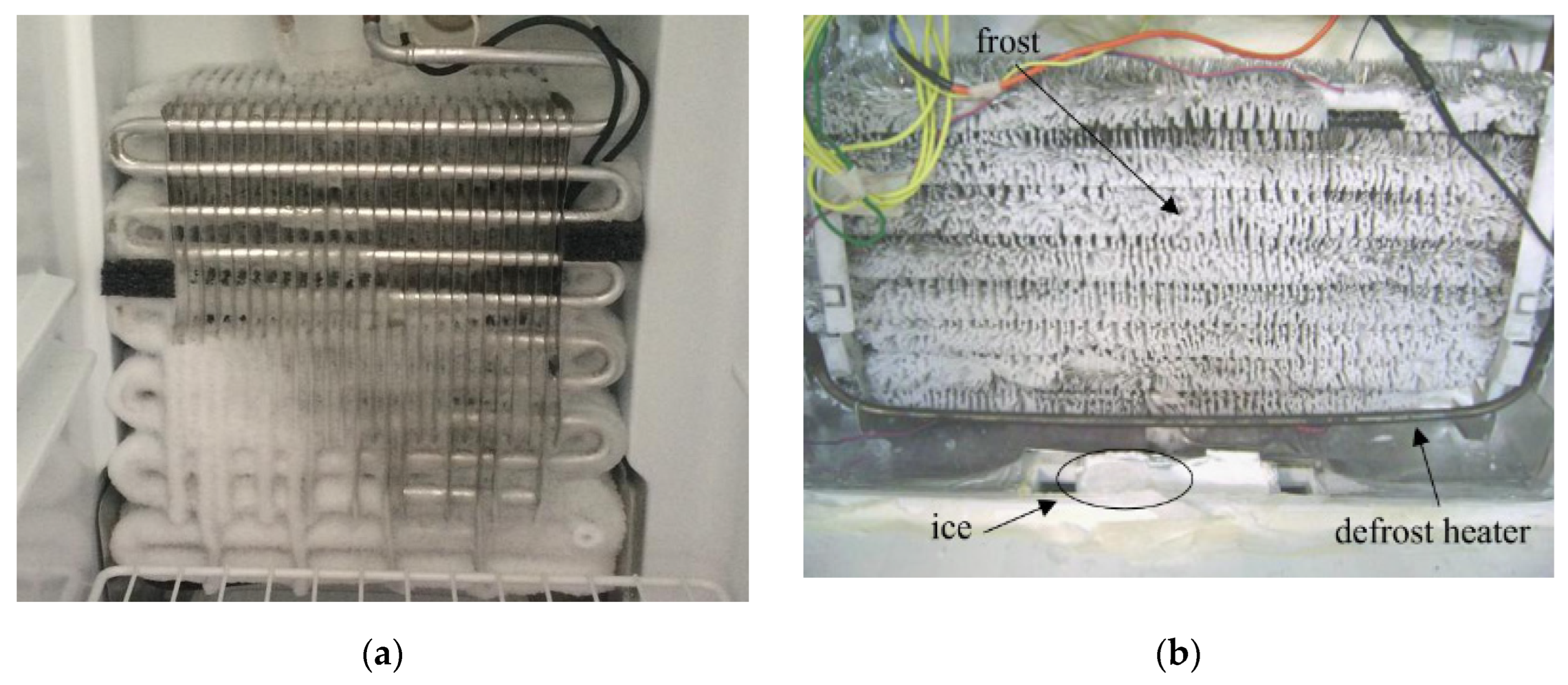 Evaporator Freezing Up Refrigerator at Christy Jones blog
The “Wait, Won’t It Freeze into a Giant Mess?” Question
I hear you—this sounds chaotic. Won’t the pump freeze solid? Yes, it will. But that’s part of the plan. Once the ice is thick enough, the pump stops, and you just pull the whole glorious block out.
If you’re nervous, use a silicone mold instead of a hard plastic tray. Silicone flexes, so you can pop out the ice without a fight. (And yes, you can reuse the pump—thaw it under warm water for a minute.)
One friend of mine tried this with a cheap aquarium pump he bought for eight bucks. He said it felt like magic. I said it felt like physics having a laugh at slush.
What About Those Fancy Commercial Machines?
Sure, those exist. They use a constant flow of water over a refrigerated drum, scraping off thin layers. But for everyday humans? DIY circulation wins. You get total control, no weird plastic taste, and bragging rights.
Remember, the evaporator is the cold part—the heart of the freezer. Moving water over it increases heat transfer dramatically. That’s why industrial ice rinks work the same way: they spray water over chilled plates. You’re basically running a tiny skating rink in your kitchen.
The Ironic Twist No One Told Me
Here’s the part that makes me laugh: still water is lazy water. It takes the easy way out, freezing from the top down. Circulated water is the overachiever—it works hard, stays clear, and finishes early.
So next time you’re waiting for ice, ask yourself: Am I a stagnant pond or a river? (And don’t say ‘a river in denial.’) Do yourself a favor: get a tiny pump, set it up, and watch the magic happen. Your future self, holding a perfect gin and tonic, will thank you.
Plus, you’ll finally have something to talk about at barbecues besides the weather. Just don’t blame me when your friends start calling you “The Ice Whisperer.”
