What's The Difference Between Distilled Water And Regular Water

So the other day, I'm at my buddy’s place, and he pulls out this gleaming glass jug from under the sink. He fills his fancy espresso machine with it, looking like a mad scient...
So the other day, I'm at my buddy’s place, and he pulls out this gleaming glass jug from under the sink. He fills his fancy espresso machine with it, looking like a mad scientist. “That’s my secret weapon,” he says, winking. I’m standing there with my tap water, feeling personally attacked.
Naturally, I had to ask: what’s the deal with distilled water versus the regular water that comes out of my faucet? Is it just a hype, or is there real science behind it? Grab a glass of whatever you’re drinking (no judgment), and let’s dive in.
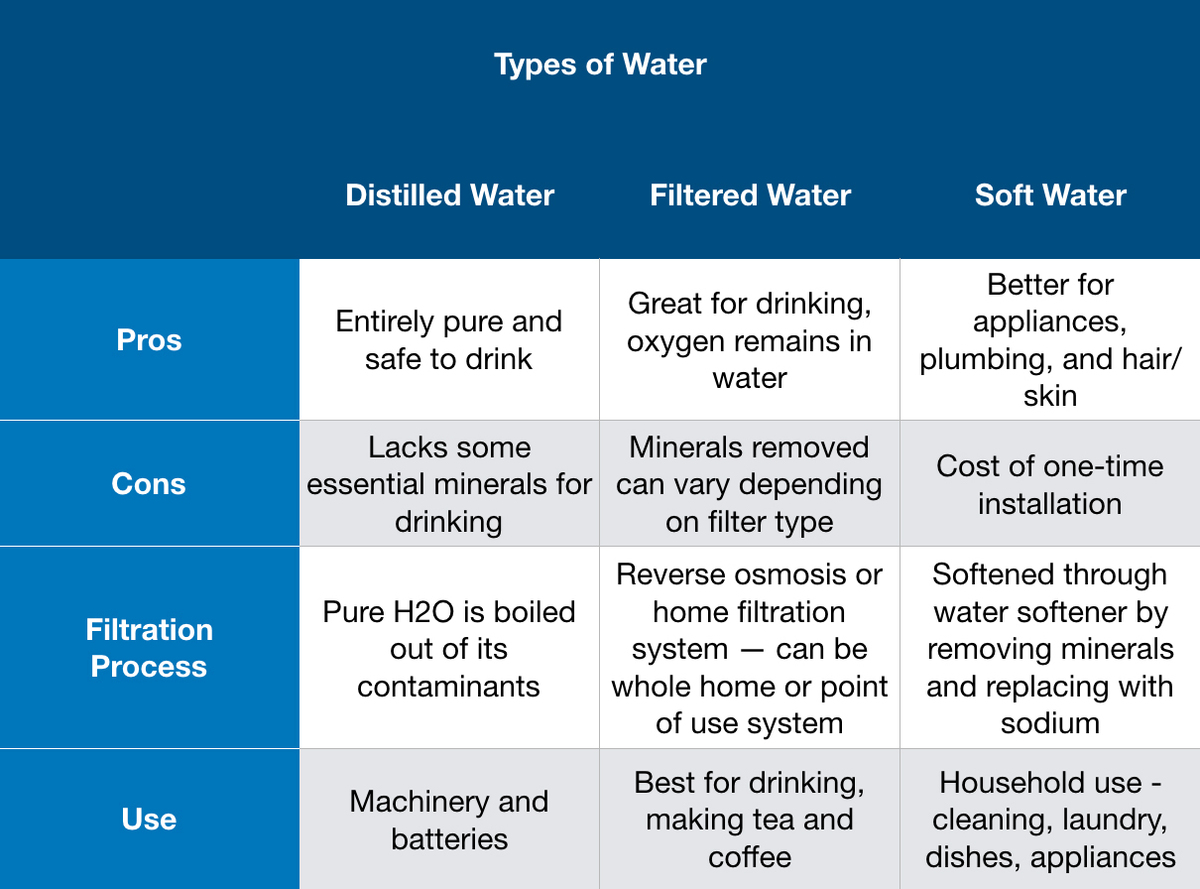
The biggest difference is simpler than you think. Distilled water is regular water that has been boiled into steam and then cooled back into a liquid. This process leaves behind almost everything else—minerals, bacteria, chemicals, even those weird trace amounts of lead you don’t want to think about.
Must Read
Regular water, on the other hand, is a chaotic soup. It’s got calcium, magnesium, chlorine from treatment plants, and sometimes even fluoride. Basically, it’s water that has been on a road trip and picked up a lot of souvenirs.
Think of it like this: regular water is a hearty stew with chunks of minerals and flavor. Distilled water is the clear, unseasoned broth you get after straining everything out. It’s so pure it’s almost suspicious.
So, what does this mean for your taste buds?
Here’s the irony: “pure” distilled water often tastes flat or lifeless. That’s because the minerals we’re used to—like calcium and sodium—actually give water that “crisp” kick. Your tongue literally notices their absence.
Regular tap water has a terroir (yes, I just said that about water). It tastes different depending on where you live. My friend’s tap water tastes like a swimming pool, while mine tastes like wet rocks. Distilled water? It tastes like nothing. Zero identity.
But wait—what about health? Is tap water bad?
Here’s the reality check: for most healthy people, regular tap water is perfectly fine. It’s regulated, it has fluoride for your teeth, and your body is used to managing those extra minerals. You’re not gonna shrivel up from drinking it.
Distilled water is a different beast. Some folks swear by it for detoxing, but doctors will tell you that drinking only distilled water over time could leach minerals from your body. Yes, you read that right. It’s so thirsty for minerals that it pulls them from your bones if you’re not careful.
Ironic, isn’t it? The “purest” water might actually be the one you need to watch out for. It’s like dating someone who is too perfect—eventually, they start taking things from you.
Where does distilled water actually shine?
Let’s be real: you probably shouldn’t drink it as your only source. But distilled water is a hero for your appliances. Your steam iron, humidifier, and car battery will thank you because there are no minerals to cause scale or buildup.
 How to Fill a Humidifier: Quick Steps
My buddy’s espresso machine is the perfect example. Regular water leaves chalky white deposits inside the pipes. Distilled water keeps it running like a dream. It’s the ultimate fountain of youth for your gadgets.
Also, if you are a plant parent? Distilled water is great for sensitive houseplants like Venus flytraps or orchids. Tap water’s chemicals can burn their roots. Your succulent, however, doesn’t care—it will drink brake fluid and still survive. (Don’t test that.)
Can you just use tap water for everything?
Honestly, yes, for 99% of your life. Brush your teeth, water your lawn, make pasta—all tap. But there’s a catch: if you live somewhere with hard water (lots of calcium and magnesium), distilled is a lifesaver for your kettle.
Ever seen that weird white crust at the bottom of your teapot? That’s hard water throwing a party. Distilled water kills the vibe. Your tea will taste the same, but your kettle will stay Instagram-worthy.
Here’s the kicker: buying distilled water at the store is kind of a ripoff. You’re paying for something that’s basically just boiled tap water. You can make it at home with a pot and a lid. Still, don’t bother—unless you run a lab or own a fancy coffee machine.
The final verdict (because you’re busy)
Regular water is for living. Drink it, cook with it, swim in it. It’s been with us forever and does the job. Distilled water is for niche situations where purity matters more than taste or minerals.
So next time your friend flexes their distilled water, you can nod knowingly. It’s not better or worse—it’s just water that went on a spa retreat and came back boring. Just remember: one is for your body, the other is for your espresso machine. Don’t mix them up unless you enjoy flat coffee and confused bones.
Now go drink some tap water. You’ll be fine. I promise.
