Is There A Difference Between Distilled Water And Purified Water

So, you’re standing in the water aisle of the grocery store, staring at two plastic jugs that look like twins separated at birth. One says “Distilled,” the other shouts “Purif...
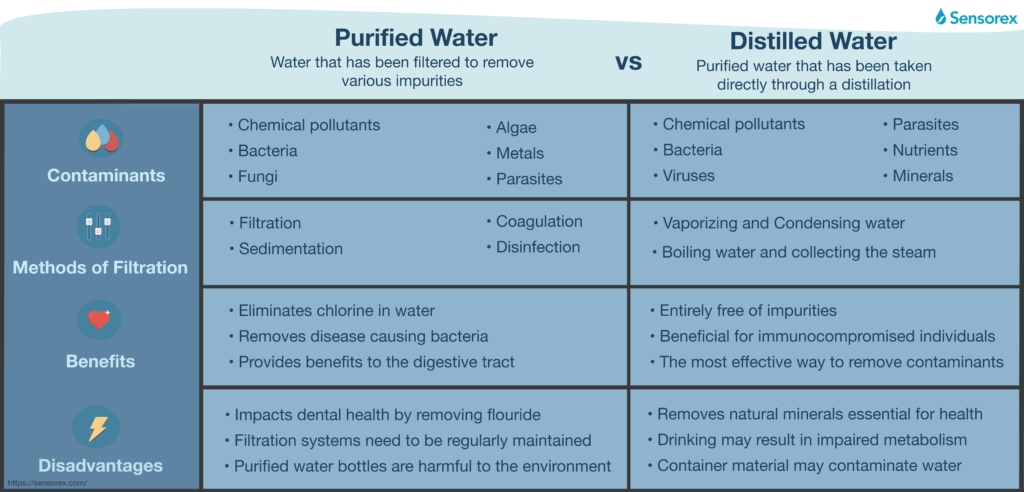
So, you’re standing in the water aisle of the grocery store, staring at two plastic jugs that look like twins separated at birth. One says “Distilled,” the other shouts “Purified!” and you’re suddenly questioning your entire life choices. Is there a real difference, or is this just Big Water’s way of getting you to spend an extra buck?
Let’s Start With the Dirty Truth: Tap Water
Tap water is basically the mutt of the water world. It’s got a little chlorine, some calcium, maybe trace amounts of pharmaceutical runoff from your neighbor’s bathroom (yep, that’s a thing). Municipal systems work hard, but they’re not perfect—and they definitely don’t remove everything.
Enter purified and distilled waters, the superhero tag team of H₂O. But before you pick a side, know this: all distilled water is purified, but not all purified water is distilled. It’s like saying all thumbs are fingers, but not all fingers are thumbs—unless you’re giving a thumbs-up, in which case, congratulations.
Must Read
Distilled Water: The Overachieving Boil-Off Artist
Distilled water is made by boiling water into steam and then condensing that steam back into a liquid. It’s like a spa day for water: it gets to float away from all its gross impurities (minerals, bacteria, heavy metals) and come back reborn, pure and innocent. The result? A liquid so clean it’s practically virgin water.
The downside? Distillation also strips away good minerals like calcium and magnesium. Drinking it is like eating a pizza with no cheese—technically pizza, but why would you do that to yourself? Also, fun fact: distilled water is so pure it can actually leach minerals out of your pipes, which is why you shouldn’t store it in metal containers for long.
Purified Water: The Bouncer at the Water Club
Purified water is a process, not a single method. It’s any water that meets the U.S. Pharmacopeia’s standard of having fewer than 10 parts per million of dissolved solids. That’s a fancy way of saying: “We kicked out 99.9% of the riffraff.”
Purification can happen through reverse osmosis (squeezing water through a super-tight membrane), carbon filtration (like a Brita on steroids), or even UV light (sunburn for germs). It’s the bouncer who checks IDs, frisks for dirt, and sends bacteria home crying to their mothers.
The best part? Purified water often keeps some beneficial minerals, so it actually tastes like something—unlike distilled, which tastes like a memory of wetness. Think of purified as the cool, slightly less intense cousin who still has a personality.
When Should You Pick a Winner?
If you’re filling a CPAP machine, a steam iron, or a car battery, distilled is your best friend. These devices hate mineral buildup like I hate stepping on Legos—destructive and painful. Distilled’s total purity prevents scale, gunk, and expensive repairs.
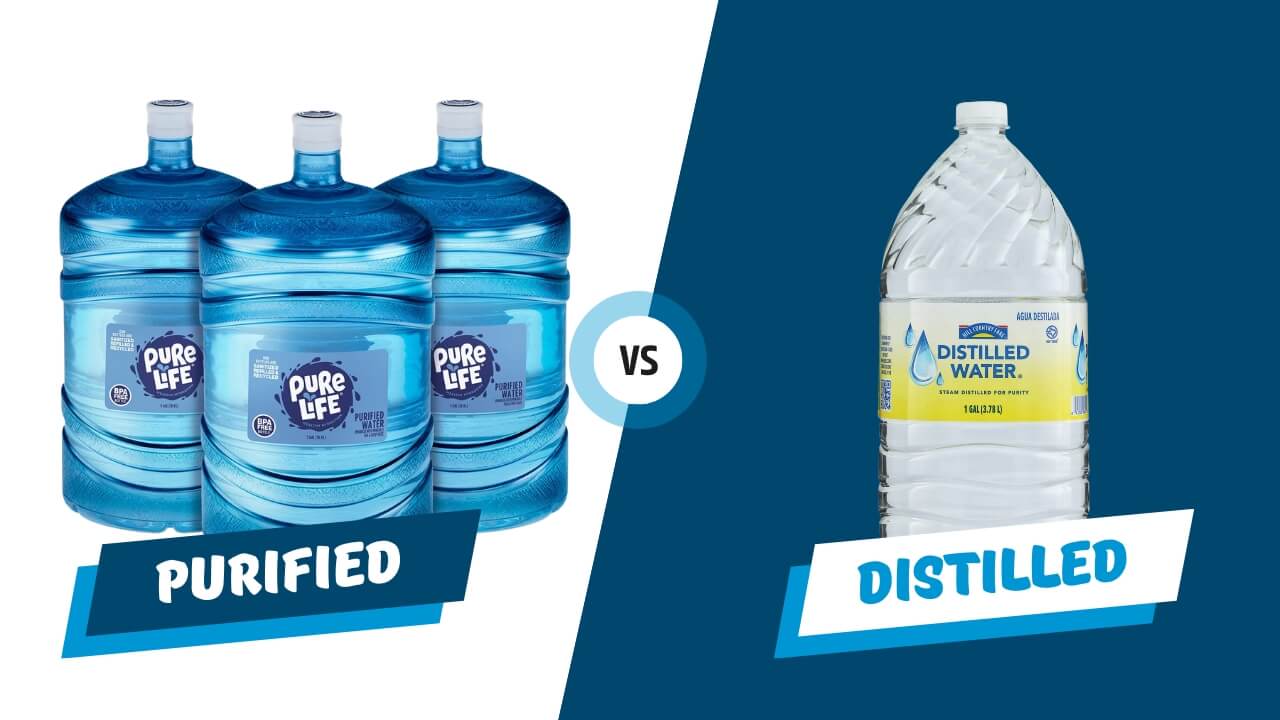 Difference Between Distilled And Purified Water | Talking H2O
For everyday drinking, go with purified. It tastes better because it has a tiny bit of mineral mojo left. Plus, your body actually wants those trace minerals for things like nerve function and bone health. Drinking distilled daily is like eating plain oatmeal for breakfast, lunch, and dinner—it works, but you’ll be sad.
Now, here’s a surprise: plants hate distilled water. Pure H₂O can shock their roots and leach essential nutrients out of the soil. So if you water your prized fern with distilled, it’ll look at you like you just served it a glass of nothing. Stick with filtered tap or purified for your chlorophyll friends.
The Verdict: Same Goal, Different Paths
Both distilled and purified waters are vastly superior to tap water when it comes to removing contaminants. The difference is that distillation is the extreme sport of water purification—overkill for most needs—while purification is the reliable, everyday hero.
Your wallet will also thank you for choosing wisely. Distilled costs more because the process is energy-hungry (all that boiling isn’t free). Purified water is usually cheaper, and you can even make it at home with a decent filter for pennies a gallon.
So next time you’re in that aisle, channel your inner water sommelier. Ask yourself: Am I feeding a machine, a plant, or my own thirsty face? Then pick your potion and walk away with confidence. Just don’t stand there too long—people are starting to stare.
One Last Sip of Wisdom
Remember, distilled water isn’t inherently bad—it’s just lonely. It’s like that friend who’s so perfect that nobody can relate to them. Purified water is the fun one who shows up to parties and actually brings a snack. Both are clean, safe, and miles better than what comes out of a garden hose.
And if you ever hear someone say, “I only drink distilled water for optimal health,” just nod and back away slowly. They’re probably the same person who claims they don’t need sleep. We love them, but we don’t have to drink like them.
