Reviews Of Chemical-free Deionized Water Systems For Hospitals

You know that feeling when you take a sip of water and it just tastes perfect? Clean, crisp, like it’s doing your body a favor? Well, for hospitals, that level of purity isn’t...
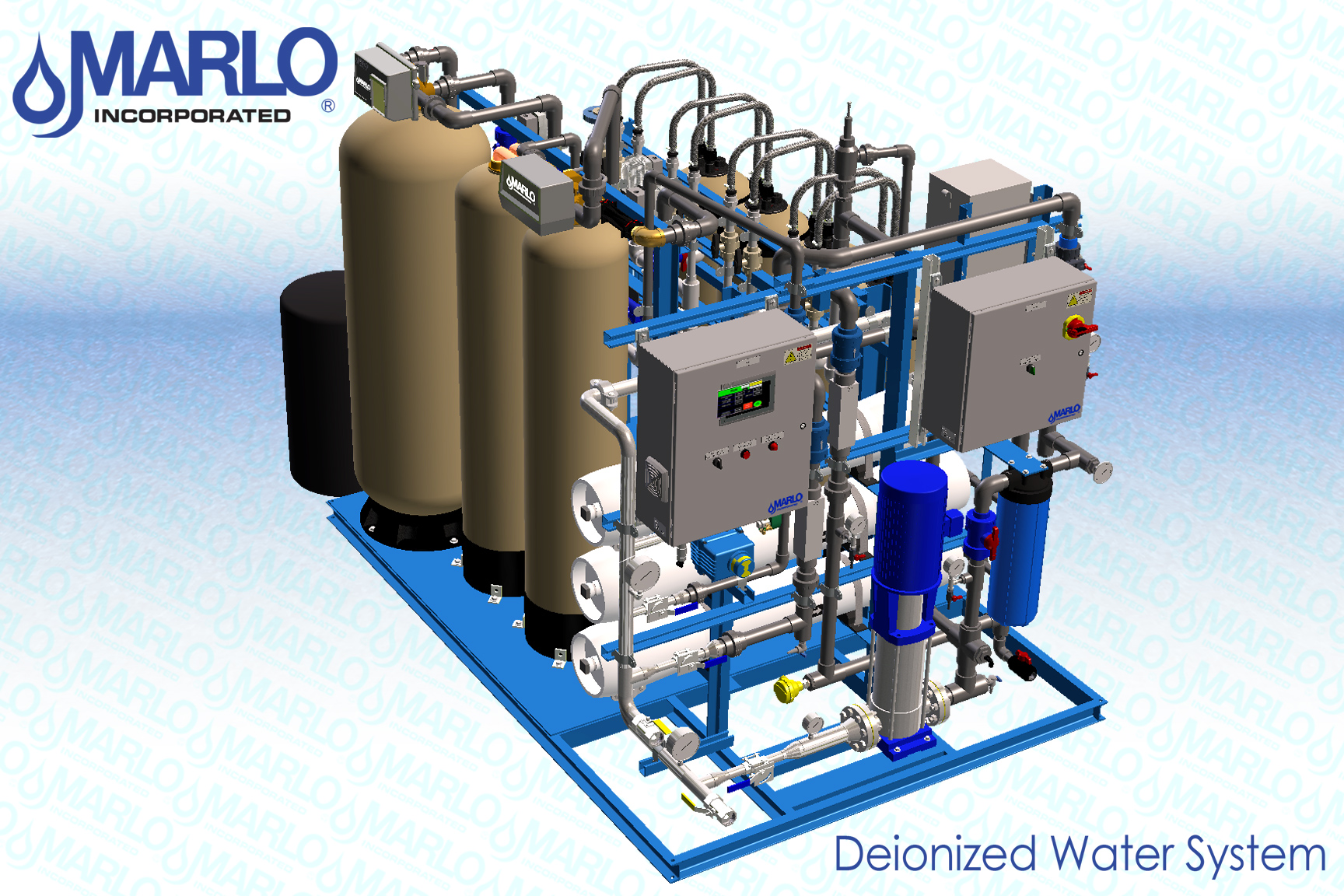
You know that feeling when you take a sip of water and it just tastes perfect? Clean, crisp, like it’s doing your body a favor? Well, for hospitals, that level of purity isn’t just a nice bonus—it’s a matter of life and death. But here’s the kicker: even the purest-looking tap water can hide minerals, chemicals, and bacteria that spell big trouble for sensitive medical equipment. That’s why hospitals are turning to chemical-free deionized water systems, and the reviews are coming in with some pretty surprising news.
Think of deionized water like the decluttered version of your kitchen pantry. You know how you sometimes have to toss out expired spices and half-eaten bags of chips to make room for fresh ingredients? A deionized system does that for water—it strips away the unwanted “stuff” like calcium, magnesium, and other ions that can cause buildup or contamination. The result? A near-perfect blank slate that’s safe for everything from cleaning surgical tools to mixing life-saving medications.
Why go chemical-free?
Most of us are used to the idea of “treating” water with chemicals like chlorine or bleach to kill germs. That’s fine for your swimming pool, but in a hospital, those chemicals can leave residue that irritates patients or corrodes expensive machines. Chemical-free systems use a clever combo of filters and electrical charges to pull out impurities without adding anything back in. It’s like using a magnet to pick up stray paperclips instead of spraying glue around the room—cleaner, smarter, and way less messy.
Must Read
I talked to a hospital maintenance manager named Greg, who compared his old chemical system to a teenager’s laundry routine. “You’d use a ton of harsh stuff, hope it worked, and still find stains,” he laughed. With the new deionized system, he says it’s like having a robot assistant that never misses a spot.
What do the reviews actually say?
Online reviews for these systems are surprisingly warm and personal—imagine a nurse geeking out over a new mop, but for water. One reviewer from a pediatric unit raved about how the no-chemical approach meant fewer allergic reactions in their tiny patients. She wrote, “It’s like giving a baby a bath with nothing but love—no bubbles, no perfumes, just pure care.” Another review from a dialysis center called it “the unsung hero” because it prevented mineral deposits from clogging their life-support machines.
But there are a few quirks. Some users point out that these systems take up more space than a traditional water cooler—think a mini fridge rather than a sleek bottle. And the initial cost? It’s higher, like buying a fancy espresso machine instead of instant coffee. Yet the long-term savings on equipment repairs and chemical purchases make it a no-brainer, according to most reviewers.
How does it work—and why should you care?
Imagine your tap water is a busy highway full of cars (minerals and ions). A chemical system puts up a toll booth that dumps salt and stuff to slow traffic down. A chemical-free deionized system, though, uses special resins and electric currents to gently wave each car off the road at an exit. The water that comes out is so pure it’s almost like it went through a deep meditation retreat—no baggage, just calm clarity.
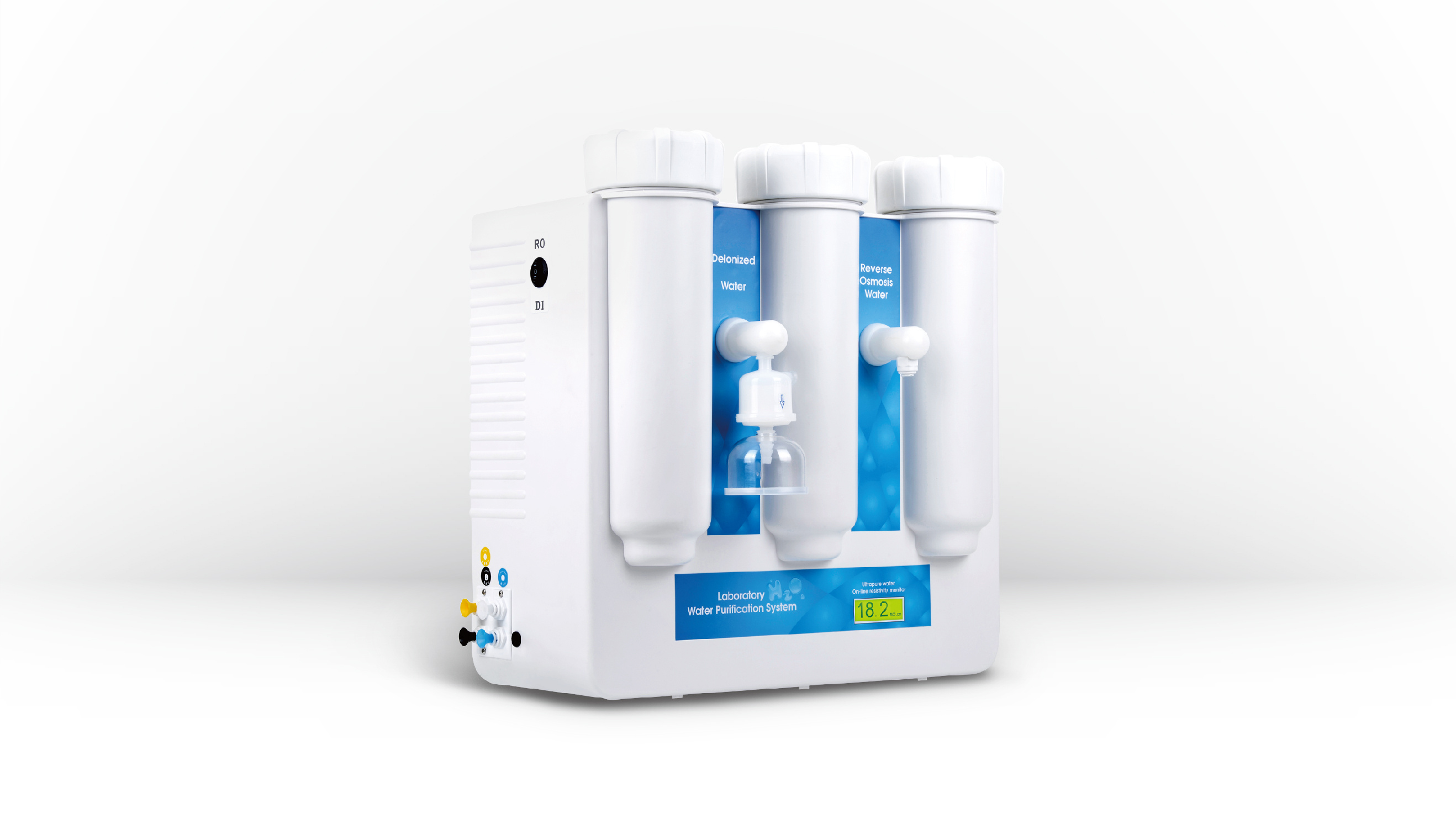 Hitech Smart-Q30 deionized water system_参数_价格-仪器信息网
Here’s the part where you, as an everyday reader, might raise an eyebrow. You don’t work in a hospital, right? Fair enough. But guess what? Every time you visit a loved one for surgery or a check-up, you’re depending on that clean water. The IV fluids, the sterilized scalpels, the humidifiers in the ICU—they all rely on water that’s free from the very minerals that make your home’s tap taste “earthy.”
The little stories that make it real
A dialysis patient named Linda once told me that before her clinic upgraded, she’d sometimes feel nauseous after treatments. The culprit? Microscopic mineral imbalances in the water used for her blood filtration. After switching to a chemical-free deionized system, she said it was like “someone finally listened.” Now she brings the team cookies. “Water is the quiet worker in the room,” she said, “and when it’s clean, you don’t notice it. When it’s not, you feel it in your bones.”
Another story: a hospital in Texas had a plumbing emergency because mineral scale had built up inside their sterilizers. They spent thousands fixing the damage. After installing a deionized system, the plumber joked that he was out of a job. “It’s the most boring, wonderful thing that ever happened to our pipes,” the facility manager said.
Final word: Is it worth the hype?
If you read through reviews on medical equipment sites or even Reddit threads from hospital staff, the consensus is a warm, resounding yes. People describe the water as “silky” and the equipment as “happier”—yes, machines can be happy too. The only complaint? A few users miss the sound of chemical dispensers clanking, but they quickly admit that’s just nostalgia for an older, messier way of doing things.
So the next time you sip a glass of tap water at home, remember it’s a beautiful, complex thing. But for hospitals, where every drop has to be a promise of safety, chemical-free deionized systems are like upgrading from a bike with training wheels to a smooth, cushioned ride. It’s not glamorous, but it’s essential—and the reviews say it’s worth every penny. And hey, if it keeps Greg the maintenance manager smiling, that’s enough for us.
