What's The Difference Between Distilled And Purified Drinking Water

So, the other day, I’m at my friend’s house, and he proudly pours me a glass of water from his fancy new countertop filter. He takes a sip, makes a grand gesture, and declares...
So, the other day, I’m at my friend’s house, and he proudly pours me a glass of water from his fancy new countertop filter. He takes a sip, makes a grand gesture, and declares, “Ah, now that is purified water.” I look at the bottle in my hand—it says “Distilled.” I stare at him. He stares at me. We both realize we have absolutely no clue what the difference is. Sound familiar?
Welcome to the surprisingly confusing world of H2O, my friend. You’d think water is just water, but nope—we’ve decided to make it a whole personality test. Distilled vs. Purified sounds like a title for a superhero showdown. Spoiler: one of them is a bit of an overachiever, and the other is a minimalist genius.
Let’s Start With the Basics: What’s Distilled Water?
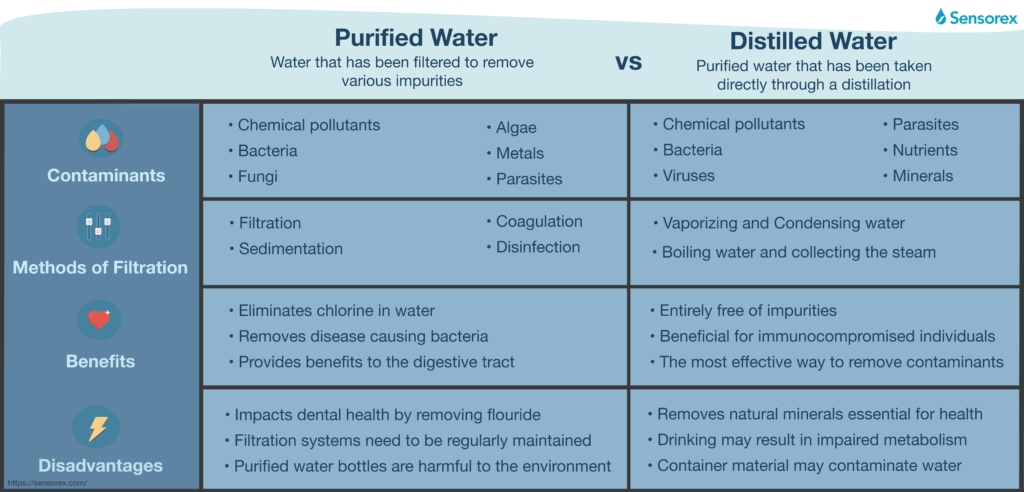
Distilled water is water that’s been boiled into steam and then cooled back into liquid. It’s the ultimate escape artist—it leaves everything behind. And I mean everything: minerals, bacteria, pesticides, even that weird taste from old pipes. Think of it as water that went through an intense, no-holds-barred detox.
Must Read
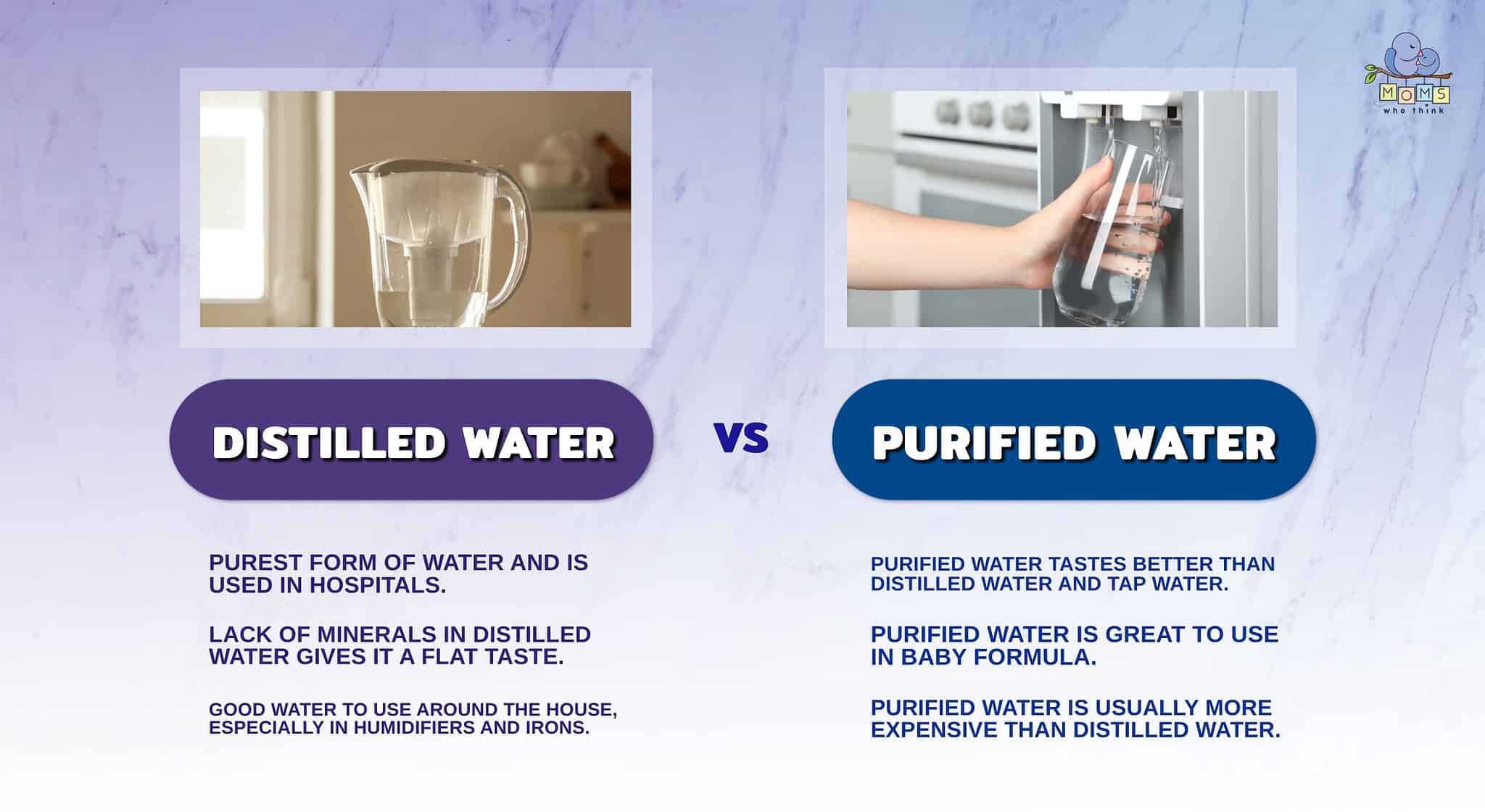
It’s basically the “purest” water you can get in terms of lack of impurities. But here’s the ironic part: it’s so pure that it’s a bit boring. It can taste flat because it’s stripped of the natural minerals (like calcium and magnesium) that give water that “crisp” feel. You know that feeling? Yeah, distilled water is the party guest who declines every snack and just stands in the corner.
Okay, So What About Purified Water?
“Purified” is actually a category, not a single process. It’s like saying “I drove a car”—but you could be in a Prius or a monster truck. Purified water has been treated through any method that removes at least 99.5% of contaminants. Distillation is one way to get there, but so is reverse osmosis, deionization, or carbon filtration. It’s a broad umbrella.
So when you buy a jug of “purified water,” it might have been filtered, zapped with UV light, or run through a membrane. The big difference? Purified water usually keeps some minerals or adds them back in for taste. It’s less “extreme” than distilled water. It’s like the friendly, slightly-more-interesting cousin who brings guacamole to the party.
The Real Nail-Biter: Which One Is “Better”?
Ah, the million-dollar question. If you’re asking for drinking purposes, most people prefer purified. Why? Because it tastes better—it has that mineral sweetness that your tongue recognizes. Distilled water can taste weirdly sterile, like licking a stainless steel spoon. No, really. Try it.
But if you’re asking for appliances—like your iron, humidifier, or car battery—distilled is the king. Distilled water leaves zero mineral deposits, which means no scale buildup. Your coffee maker will thank you. Your iron won’t spit white flakes on your shirt. It’s the responsible choice for machines, even if it’s a sad choice for your taste buds.
 Distilled vs. Purified Water: 4 Differences & Health Benefits
Is There Any Danger? (Cue Dramatic Music)
Let’s get real for a second. Drinking only distilled water for a long time might mess with your mineral balance—in theory. Some people worry it leaches minerals from your body. But honestly? Unless you’re a competitive athlete drinking gallons a day, it’s not a big deal. Your food gives you plenty of minerals. Don’t panic.
Purified water, on the other hand, is safe and even recommended by many health experts. It’s what most bottled water brands sell. The main risk with either type is quality control—some cheaper “purified” water just sits in a plastic bottle too long. So, check the label. Don’t be that person who buys water that tastes like a swimming pool.
The Bottom Line, Wrapped in a Side Comment
Here’s my personal take, and I’m basically talking to you over a kitchen counter right now: Distilled is for your car battery or your espresso machine. Purified is for your morning hydration ritual. If you see a bottle that says “distilled drinking water,” ask yourself: Do I want to feel like I’m drinking a cloud’s leftover tears? If yes, go for it. If not, grab the purified.
And if you’re feeling extra fancy, you can even buy a home distiller and then add a pinch of sea salt to the distilled water for taste. Yes, that’s a thing people do. It’s like being a mad scientist who also likes a good glass of water. I’m not judging—I’m taking notes.
So next time you’re in the water aisle, you can confidently pick your bottle. And if someone gives you a side-eye? Just say, “Don’t worry, I know the difference.” You’re welcome. Now, go hydrate with authority.
