Osha Ozone Permissible Exposure Limit Laboratory Ozone Generator Safety

So, you’ve been hanging out in a lab, or maybe just reading up on ozone generators, and you stumbled across something called the OSHA Permissible Exposure Limit (PEL). Sounds...
So, you’ve been hanging out in a lab, or maybe just reading up on ozone generators, and you stumbled across something called the OSHA Permissible Exposure Limit (PEL). Sounds dry, right? Like a boring government form. But stick with me—because this little number is actually a fascinating safety net for your lungs.
First, a quick chemistry check: Ozone is that sharp-smelling gas after a lightning storm. Really cool in nature, but in a lab? It’s a double-edged sword. It can sterilize equipment and zap odors, but too much can make your chest feel like you just ran a marathon through a smoggy parking lot.
Wait, What’s the Limit?
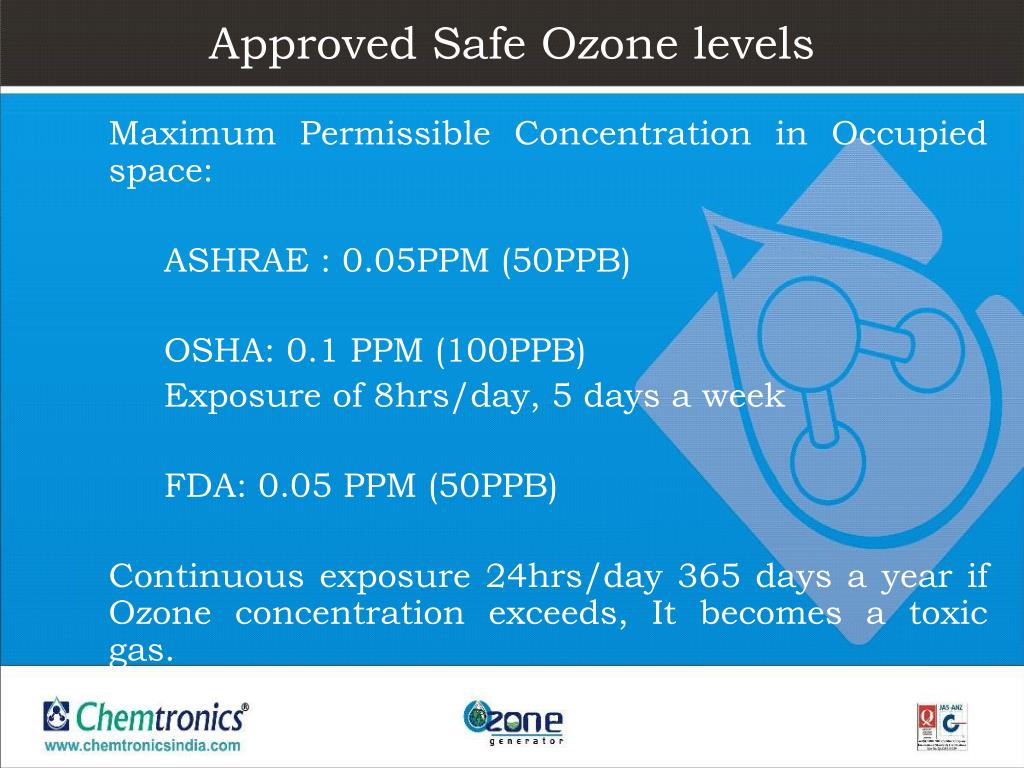
The OSHA PEL for ozone is set at 0.1 parts per million (ppm) for an 8-hour workday. Think of it as the legal speed limit for your air—except instead of a ticket, you might get a headache or a cough. That number is surprisingly small, right? A single grain of sand in a swimming pool would be a massive cloud compared to that.
Must Read
Here’s the wild part: Your nose can actually smell ozone at levels way below 0.1 ppm—like 0.01 ppm. So if you ever get that clean, metallic whiff near a lab ozone generator, your body is basically screaming, “Hey, pay attention!” before the machine even hits the limit.
Why Do Labs Even Use These Things?
Ozone generators in labs are like tiny, angry superheroes. They blast ozone to disinfect surfaces, clean water, or even oxidize stubborn chemicals. It’s incredibly efficient—no harsh chemical residues left behind. But here’s the trade-off: The same power that obliterates bacteria can irritate your throat if you’re not careful.
Imagine a vacuum cleaner that also produces smog. That’s essentially what an ozone generator is. You get the clean, but you gotta manage the fume.
Getting Practical: Generator Safety 101
So how do you stay safe without turning your lab into a hazmat scene? First, never run a generator in a small, sealed room without proper ventilation. It’s like trying to roast marshmallows in a closet—eventually, the smoke gets you. Always check the flow rate and make sure the exhaust is piped outside or through a scrubber.
Second, invest in a personal ozone monitor. These little gadgets chirp or flash when the level creeps near that 0.1 ppm threshold. Think of it as a smoke detector for invisible gas. Cool, right? You don’t have to guess if it’s safe—the machine tells you.
 Ozone Detector for OSHA Ozone Exposure Limits (FD-90A-O3-LOW) - YouTube
And here’s a fun comparison: OSHA’s limit for ozone is ten times stricter than for carbon dioxide. That’s because your body can tolerate a lot of fizzy CO2 (hello, soda bubbles) but ozone is a reactive beast that loves to attack your lung tissue. Respect the PEL like you respect a grumpy cat—from a distance.
When Things Go Sideways
Ever felt a sudden tightness in your chest after a few minutes near a generator? That’s ozone’s nasty side kick. Symptoms show up fast—coughing, wheezing, a scratchy throat. But here’s the good news: If you remove yourself and get fresh air, most people bounce back in minutes. Your lungs are remarkably resilient, but they’re not invincible.
That’s why labs have those big warning signs and mandatory breaks. It’s not bureaucracy for fun—it’s because habits like forgetting to open a vent can turn a cool tool into a silent hazard.
The Bottom Line (Relaxed Version)
Look, ozone generators are fascinating pieces of tech. They mimic nature’s own cleaning system. But with great power comes great need for a tiny number—0.1 ppm. Keep that limit in your head when you’re working, and you’ll be fine. You wouldn’t drive a car without knowing the speed limit, right? Same deal here.
So next time you see that OSHA PEL chart, don’t yawn. Nod at it like an old friend who’s just trying to keep you breathing easy. Chill, but informed. That’s the zone you want to be in.
