What Kind Of Disinfection Systems Are Available For Offshore Applications

Imagine living on a rig in the middle of the ocean. Your water isn't from a tap down the street. It’s salty, sloshy, and full of weird stuff. You need to make it drinkable. Th...
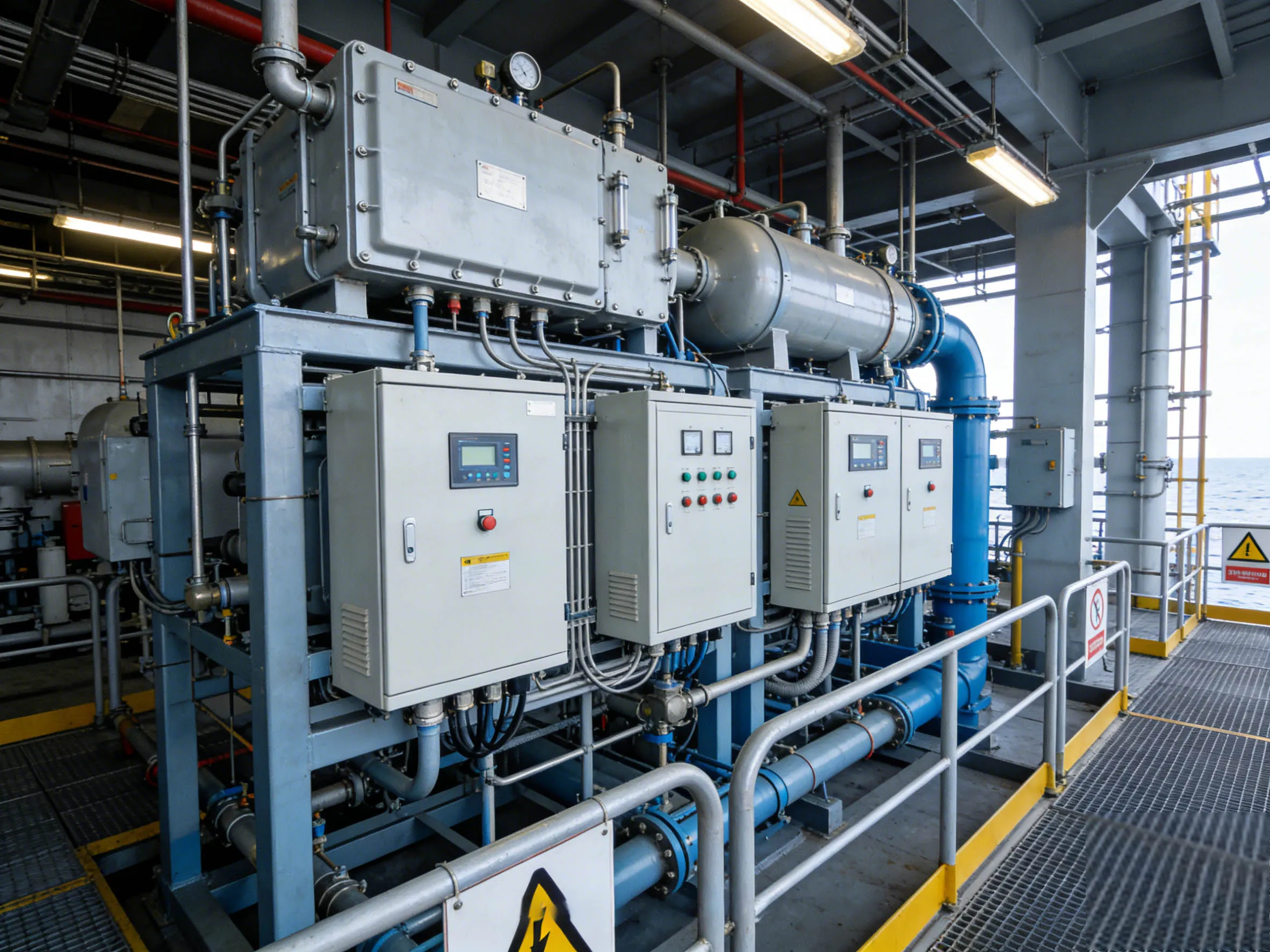
Imagine living on a rig in the middle of the ocean. Your water isn't from a tap down the street. It’s salty, sloshy, and full of weird stuff. You need to make it drinkable. That’s where disinfection systems come in. They’re the unsung heroes of offshore life.
Why Bother with Disinfection at Sea?
Offshore water is a microbe party. Bacteria, viruses, and tiny crustaceans all want to join. Without treatment, you’d be drinking a microscopic soup. Not very tasty.
This isn’t just about taste. A bad bug can shut down a rig. Legionnaires' disease is a real risk in warm pipes. Disinfection keeps your crew healthy and your operations running. It’s a no-brainer.
Must Read
The Big Guns: Chemical Disinfection
Chlorine – The Old Reliable
Chlorine is the granddaddy of disinfection. It’s cheap, effective, and everyone knows it. Think of it as the plain white t-shirt of water treatment. It gets the job done.
But chlorine has a dirty secret. It can create disinfectant byproducts (DBPs). These are nasty compounds that form when chlorine reacts with organic matter. It’s like accidentally making toxic lemonade.
Bleach on Steroids: Sodium Hypochlorite
This is liquid chlorine, but stronger. It’s great for big systems. The funny part? You can make it right on the rig by zapping seawater with electricity. That’s right – you electro-shock the ocean.
Electrochlorination sounds like a punk band name. It’s actually a genius trick. Brine gets electrically charged, turning salt into hypochlorite. No truck deliveries needed. Just salt and sparks.
Chlorine Dioxide – The Sneaky Fox
This gas doesn’t form DBPs like chlorine. It’s more selective. It’s the James Bond of chemicals. It slips into biofilms and kills them from the inside.
Downside? You have to generate it on-site. It’s unstable and can explode if you’re clumsy. Safety first, kaboom later. It requires careful handling.
The Non-Chemical Cavalry
UV Light – The Sun on Demand
Ultraviolet light zaps DNA. It’s like a nuclear tanning booth for microbes. They’re instantly sterilized and can’t reproduce. Dead in the water.
UV is fast and leaves no chemical taste. But it only works if the water is crystal clear. Muddy water blocks the light. On a rig, that’s a real problem.
Ozone – The Fresh Smell of Death
Ozone is just supercharged oxygen. It has a funny, electric smell. It kills everything faster than chlorine. It’s the Usain Bolt of disinfectants.
Ozone degrades quickly into plain oxygen. No nasty leftovers. The quirk? It can damage your lungs if you inhale it. Don’t huff the ozone. Use proper ventilation.
The Filtration Sidekicks
Reverse Osmosis – The Squeeze
This isn’t technically disinfection. It’s a physical squeeze. Water is forced through a super-fine membrane. Only water molecules get through. Everything else stays behind.
 Boat Services - Cemesa more than 50 years old
RO is great for removing salt and dirt. But it can’t kill viruses entirely. You need a disinfection step after. It’s a one-two punch: RO then UV or chlorine.
Biofilters – The Living Cleaners
Some rigs use bacteria to eat bad bacteria. It’s like hiring wolves to guard your sheep. Microbes battle microbes. It’s a microscopic turf war.
This is called biological treatment. It’s slow but natural. Very green. The funny part: you have to feed your good bacteria to keep them happy. Yes, you’re running a bacteria farm.
The Future is Funny and Weird
Engineers are testing plasma disinfection. It’s basically lightning in a box. It creates reactive particles that shred microbes. Sounds like sci-fi, works like magic.
Another wild idea: ultrasound. High-frequency sound waves pop bacterial cells. Think of it as a sonic boom for germs. No chemicals, no heat. Just sound.
And then there’s photocatalysis. Materials like titanium dioxide react to light. They produce hydroxyl radicals – tiny molecular wrecking balls. It’s like having a robot janitor powered by sunlight.
The Pick Your Poison (or Light) Moment
So which system is best? It depends on your water. Salty? Go with electrochlorination. Tough bacteria? Try ozone. Need speed? Use UV.
Most offshore rigs use a hybrid. A bit of chemical, a bit of UV, some filters. It’s a cocktail of cleverness. You want redundancy. If one system fails, another saves the day.
Fun fact: some rigs recycle their disinfection water for cooling. Others feed it to drill muds. Nothing goes to waste. Even disinfected water has a second life.
The Quirky Bottom Line
Offshore disinfection is a battle of wits. Humans versus invisible monsters. And we’re winning. The ocean provides. We just have to clean it up first.
Next time you sip a glass of water on a rig, smile. Think of the electricity, the ozone, the UV light, and the little bacteria farm. It’s a miniature war zone in a pipe. And you get to drink the peace treaty.
