Affordable Deionized Water Solutions For Small Breweries In Northern Ohio

Let’s be honest: your small brewery in Northern Ohio has a serious water problem. It’s not that it tastes bad—though Lake Erie can sometimes surprise you with a hint of “algae...
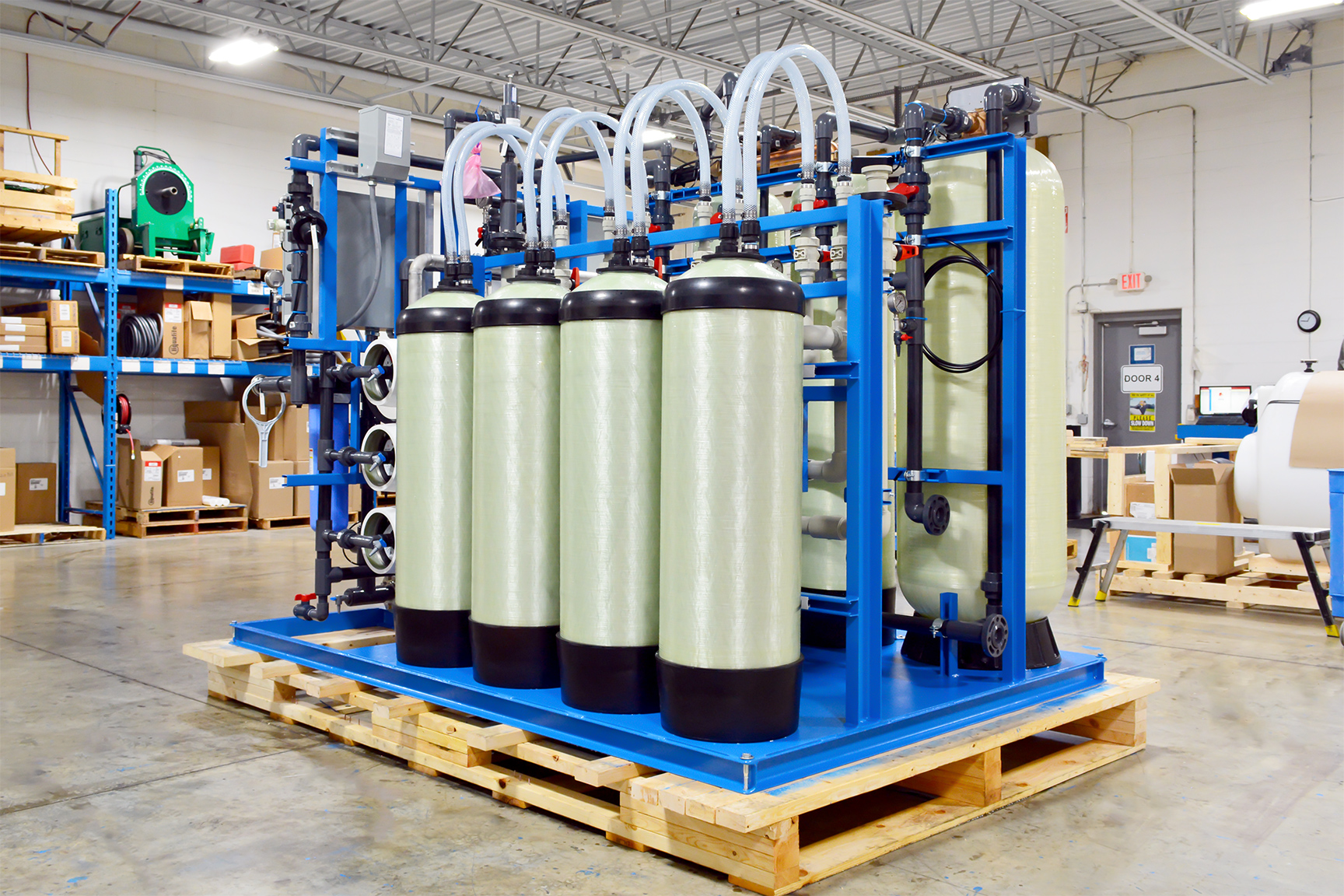
Let’s be honest: your small brewery in Northern Ohio has a serious water problem. It’s not that it tastes bad—though Lake Erie can sometimes surprise you with a hint of “algae chic”—it’s that your beer is begging for a chemistry makeover. Tap water is a chaotic mess of minerals, chlorine, and mystery flavors that turn your crisp IPA into a mud wrestling match. You need deionized water, the holy grail of blank-slate brewing, but you also need it without selling your fermentation tanks on the black market.
The Great Water Conspiracy
Here’s the shocking truth: deionized water isn’t actually water anymore. It’s pure H₂O, stripped of ions like a celebrity losing their entourage. Brewers love it because you can rebuild the mineral profile from scratch, like a mad scientist with a pH meter and a dream. But buying it pre-made? That’s the fast track to bankruptcy. A single truck delivery of DI water can cost more than your rent, and you’ll watch your profit margins evaporate faster than a foamhead on a hot patio.
Northern Ohio has a secret weapon, though: our water is surprisingly soft already. Unlike those poor souls in San Diego, who brew with liquid rock, we start with fairly obedient H₂O. That means a small deionization system can save you from the “water truck ransom” without needing a second mortgage on your brew kettle. It’s like finding out your ugly starter home has a diamond countertop hidden under the linoleum.
Must Read
The DIY Deionization Craze
I know, the word “deionization” sounds like something a robot does in its spare time. But the affordable solution is simpler than your uncle’s conspiracy theory about the Lake Erie monster. You can buy a portable mixed-bed deionization canister—basically a giant Brita filter with attitude—for under two hundred bucks. It screws right into your garden hose, and suddenly you’re spitting out water so pure it makes scientists weep.
Here’s the hilarious kicker: these things use positively and negatively charged resin beads to literally grab ions like a bouncer at a metal concert. The calcium and magnesium get kicked out, leaving water so empty it will steal minerals from your pipes if you let it. Pro tip: don’t store DI water in copper containers unless you want to drink metallic sludge. That’s a mistake you only make once, like adding habanero to a stout.
Countertop Units for the Desperate
If you’re brewing in a garage next to a snowblower, a countertop reverse osmosis + DI system is your best friend. These units are about the size of a cat (a lazy one), and they produce five to ten gallons of pure water per day. For a small batch of NEIPA, that’s enough to make your hop haze legendary instead of tasting like a wet sock. Cost? Around three hundred bucks, plus replacement cartridges that don’t require a tourniquet on your wallet.
But wait—there’s a catch! DI water is aggressively empty. It’s so pure that it can actually corrode stainless steel if you leave it sitting too long. That’s right: your own beer water wants to eat your equipment. The solution is to add a tiny pinch of brewing salts back in—calcium sulfate, magnesium chloride—to give the water some personality. Think of it as putting pants on a ghost so it doesn’t haunt your mash tun.
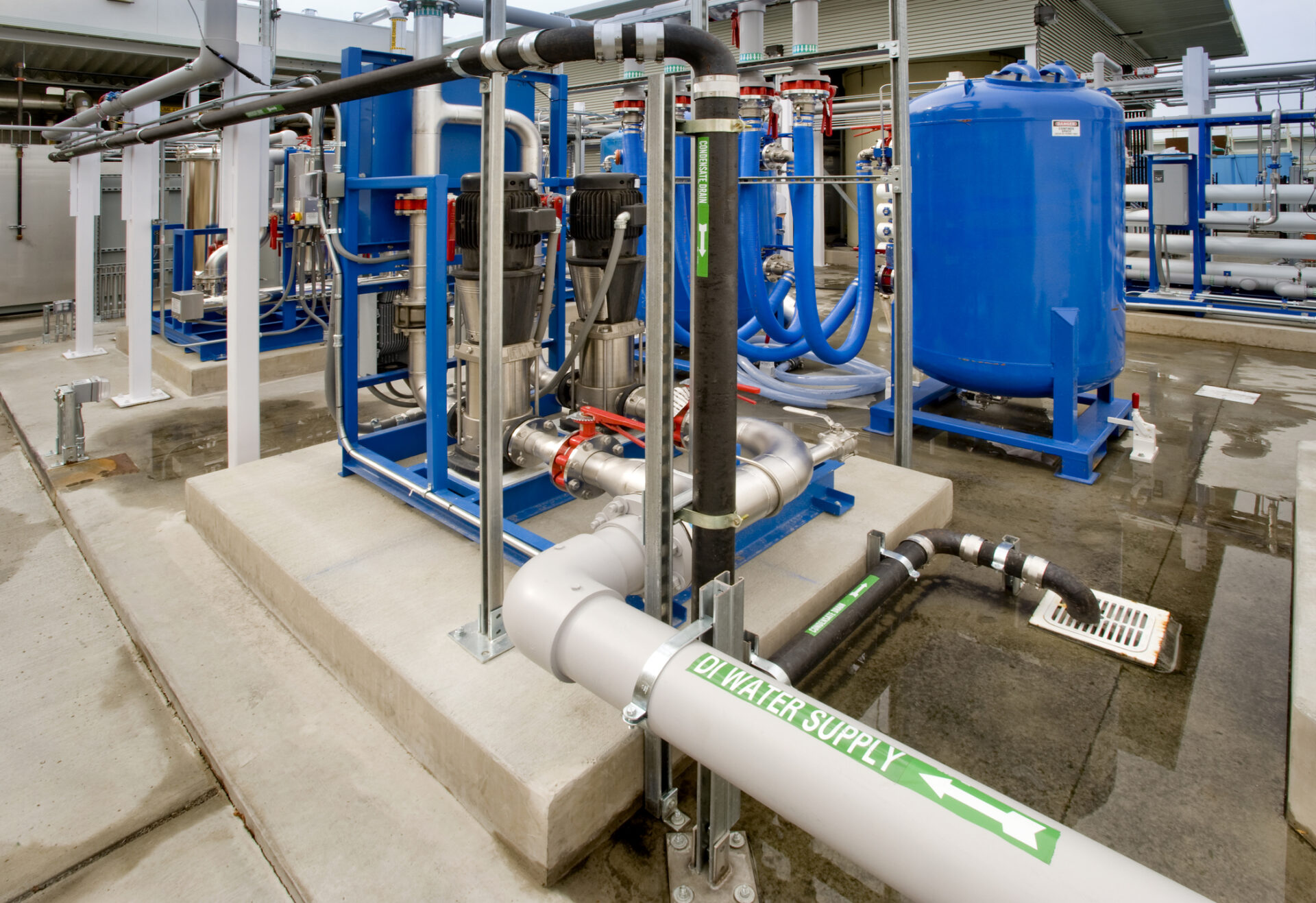 Expert Commercial Deionization In Cleveland & Northern Ohio
The Northern Ohio Water Hustle
Here’s a surprise fact that will make you the life of a brewer’s party: deionized water conducts electricity about as well as a rubber chicken. That’s why labs use it for experiments—nothing messes with their results. For you, that means zero interference from chlorine or chloramines. Your yeast will throw a party in the fermenter, and your bittering hops will sing like angels who just discovered citra.
Of course, you could also just call a water service. They’ll deliver big blue jugs of DI water for a weekly fee that feels like a gym membership you never use. But if you’re the “I’d rather fix it myself and complain later” type, the portable resin canister wins. One local brewery I know (we’ll call them “Hoppy Accidents Brewing”) uses a RV water filter from Amazon, and their bestseller is a hazy IPA that tastes like unicorn tears. Do not underestimate the power of cheap hardware.
The Final Glass
The bottom line is this: affordable deionized water is not a myth. It’s a plastic filter, a few fittings, and a willingness to accept that your tap water is a lying traitor. Northern Ohio’s naturally soft water is your golden ticket—you only need to polish it, not reinvent it. Spend two hundred bucks, waste a Saturday afternoon on YouTube tutorials, and brew a beer so clean it makes bottled water look like swamp juice.
And if you accidentally make beer that tastes like a wet basement? Blame the Lake Erie algae. They’re used to it. Cheers, you beautiful, water-obsessed weirdo.
