What Is The Difference Between Purified Water And Filtered Water

Picture this: you’re standing in the kitchen, glass in hand, staring at two different taps—one from the sink, one from a pitcher in the fridge. You know both are “better” than...
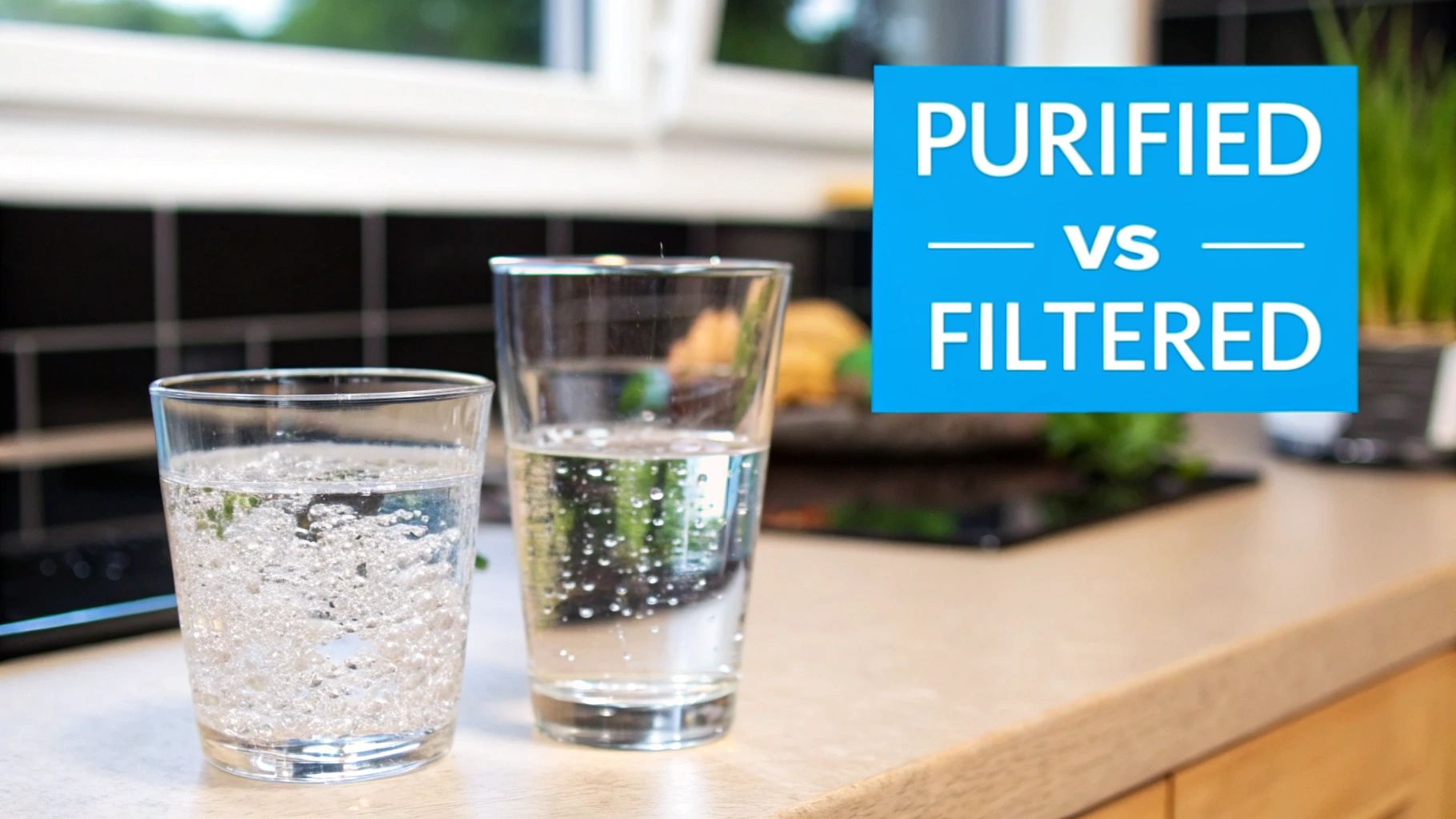
Picture this: you’re standing in the kitchen, glass in hand, staring at two different taps—one from the sink, one from a pitcher in the fridge. You know both are “better” than straight tap, but are you really sure what’s inside? Let’s settle the great hydration debate once and for all.
The Star Players: Purified vs. Filtered
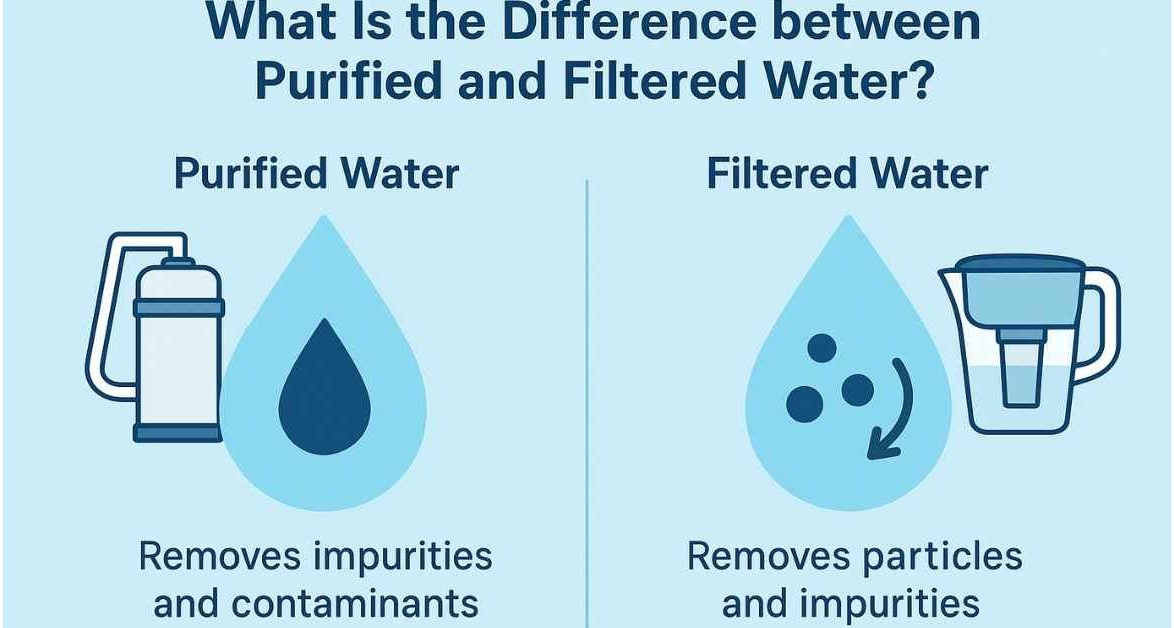
At its core, purified water is the overachiever of the hydration world. It undergoes a process that removes at least 99.5% of all contaminants—including bacteria, viruses, and dissolved minerals. Think reverse osmosis, distillation, or deionization: these are the heavy hitters in the purification gym.
Filtered water, on the other hand, is the friendly neighborhood barista. It runs through a physical barrier—usually carbon or ceramic—that catches sediment, chlorine, and some odors. It’s a solid upgrade from straight tap, but it won’t strip your water down to its atomic birthday suit.
Must Read
The key difference? Purification aims for a blank slate; filtration keeps the good stuff (hello, minerals!) while kicking out the bad vibes. It’s like the difference between a full detox and a gentle spring cleaning.
Where Science Meets Your Sink
Let’s get nerdy for a second. Purified water often uses reverse osmosis, which pushes water through a semi-permeable membrane at high pressure—imagine a very picky bouncer at a club for water molecules. Only H₂O gets past; everything else is denied entry.
Filtered water usually relies on activated carbon, which works like a magnet for organic compounds. It’s why your tap water tastes less like a swimming pool and more like a mountain spring. Fun fact: carbon filters can remove up to 95% of chlorine, so your morning coffee won’t taste like a public pool.
Here’s a cultural reality check: in many European homes, filtered water is the norm—Brita pitchers are practically national treasures. Meanwhile, the bottled-water aisles in the U.S. are packed with “purified” labels, often just fancy tap water that took a very expensive shower.
The Taste Test: Does It Actually Matter?
Pop open a bottle of spring water and a bottle of distilled water. The spring water? It has minerals like calcium and magnesium that give it a crisp, almost sweet mouthfeel. The distilled stuff? It tastes… flat. Like silence in a glass. That’s because purified water lacks the ions that make our taste buds sing.
Filters are the compromise kings. They remove the things you hate (chlorine, metallic notes) but leave behind the trace minerals your body actually enjoys. For coffee lovers, this is a game-changer. Specialty coffee shops rarely use purified water—it makes your espresso taste hollow. Filtered water is the sweet spot.
 Best Access Control System Companies in Bangladesh - Shift Tech BD
Fun fact: Fiji Water famously markets its mineral profile, but many of those minerals are added back after purification. It’s basically a water makeover. And yes, that costs you extra.
Practical Tips for Your Kitchen
If you’re on a budget, start with a good-quality carbon filter pitcher. Brands like Brita or Pur are reliable and remove the basics—chlorine, lead, and some pesticide residues. Replace the filter every two months, or it becomes a breeding ground for bacteria. Nobody wants a microbiome in their hydrator.
If you’re a health maximalist or live in an area with hard water, consider a reverse osmosis system under your sink. It’s pricier ($200–$500) but removes everything, including microplastics and heavy metals. Just remember: it wastes about 4 gallons of water for every 1 gallon purified. Mother Nature gets the bill.
For zero waste warriors, skip bottled water entirely. Filtered tap water in a reusable stainless steel bottle is the most eco-friendly choice. You’re basically saving the planet one sip at a time, and feeling smug about it.
When To Pick One Over The Other
Use filtered water for drinking, cooking pasta, and making iced tea. It balances taste and health without overcomplicating your life. Plus, it’s affordable—a filter pitcher runs about $30 a year.
Use purified water if you have a compromised immune system, are mixing baby formula, or live in an area with known contamination (like lead pipes in Flint). It’s also ideal for humidifiers and CPAP machines, because you don’t want white mineral dust settling everywhere.
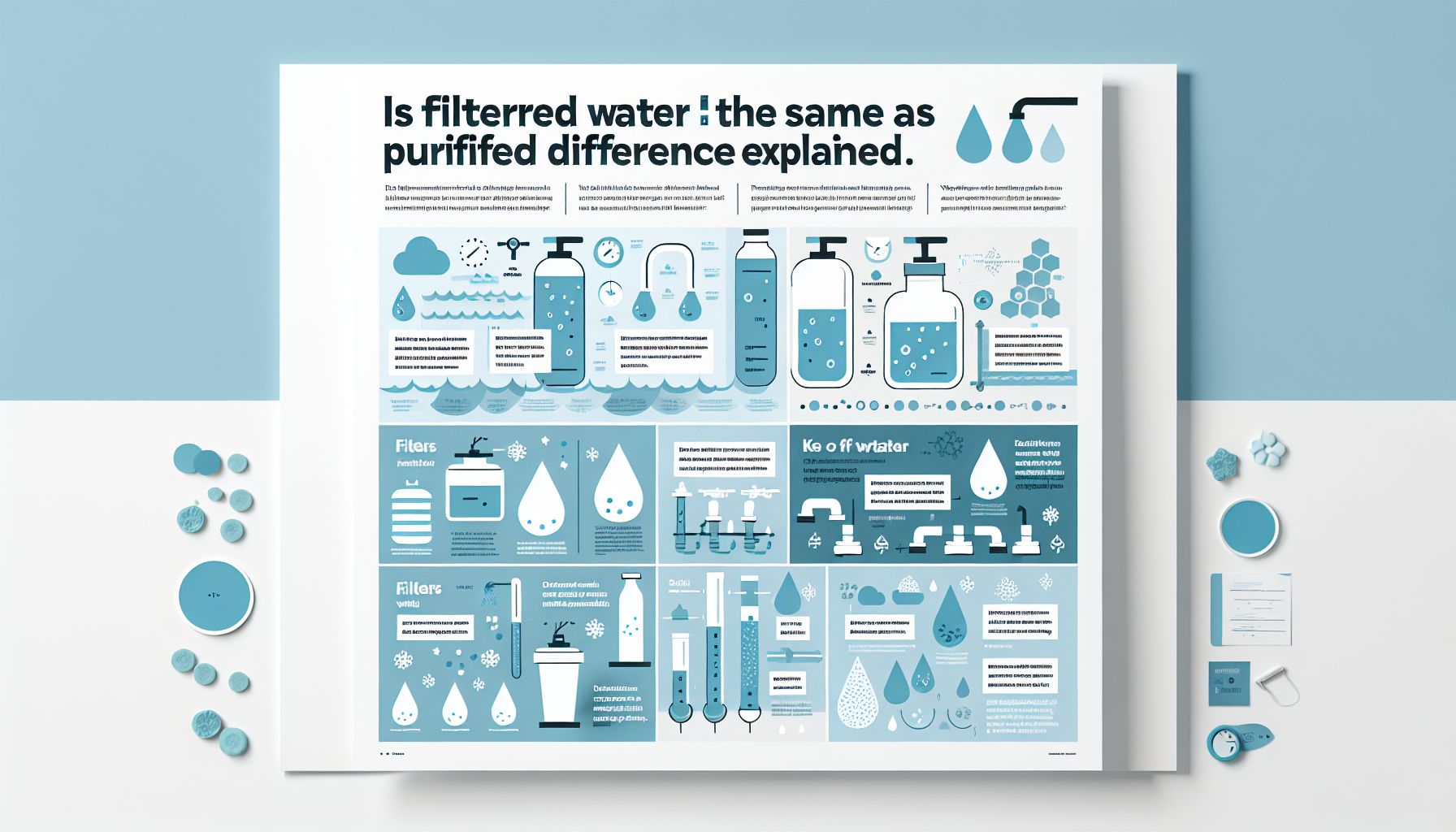 Filtered vs Purified Water: Key Differences
Pro tip: never use distilled water in your iron or espresso machine—it can actually corrode metal parts over time. Minerals protect them. Counterintuitive, right?
A Cultural Detour: The World of Water Snobs
In Japan, many homes use multiple filtration stages—even for washing rice. In France, people argue about the right brand of spring water the way we argue about coffee roasts. There’s even a water sommelier certification (yes, really). The point is: hydration is personal.
Celebrities love to flex their water choices. Beyoncé reportedly drinks alkaline water (purified with added minerals for a higher pH). Gwyneth Paltrow suggests “vibrational” water (don’t ask). For the rest of us, filtered water is the realistic hero. It’s the reliable friend who shows up on time.
Fun fact: The World Health Organization warns against long-term drinking of highly purified water because it may leach minerals from your body. Moderation, always.
The Final Sip: A Reflection on Daily Life
At the end of the day, the difference between purified and filtered water is really about what you want from your glass. Do you want a blank page, or a gentle filter that keeps life’s flavor? Most of us aren’t water sommeliers or biohackers. We just want something that tastes good, keeps us healthy, and doesn’t cost a mortgage payment.
So here’s my easy-going take: filter your tap water, drink it happily, and save the expensive purification for your gadgets and your baby’s bottle. Your body already knows how to balance itself—you just need to give it a clean, pleasant start. And maybe a slice of lemon, because why not?
Because in the grand, lukewarm river of life, the best water is the one you actually drink. Now go refill that glass—and skip the plastic bottle aisle.
