What Is The Difference Between Distilled Water And Reverse Osmosis

Picture this: you’re standing in the water aisle at the grocery store, staring at a wall of bottles. Spring water, purified water, alkaline water—and then two labels that soun...
Picture this: you’re standing in the water aisle at the grocery store, staring at a wall of bottles. Spring water, purified water, alkaline water—and then two labels that sound suspiciously like science class: distilled and reverse osmosis. Don’t worry, you’re not alone in feeling a little confused!
The good news? Understanding the difference isn’t just for lab geeks. It can actually make your morning coffee taste amazing, help your houseplants thrive, and even save you money. Ready to become a water connoisseur? Let’s dive in.
What Exactly Is Distilled Water?
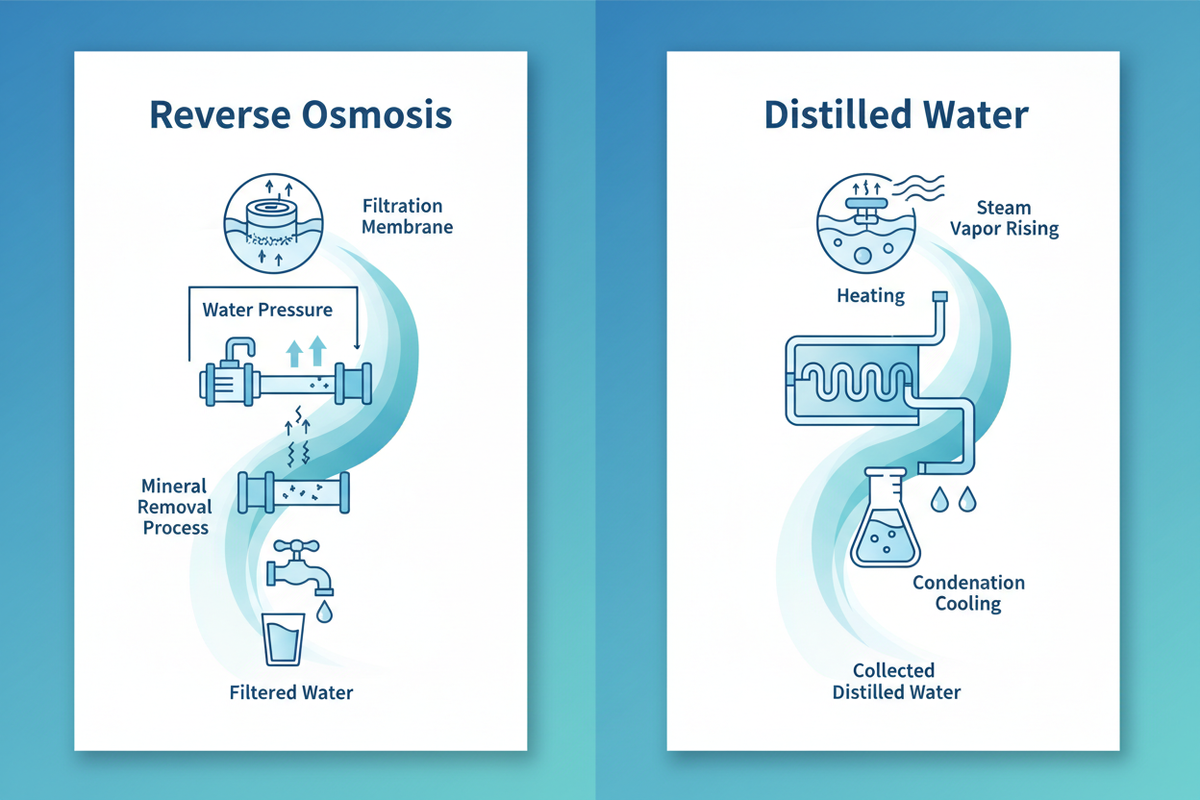
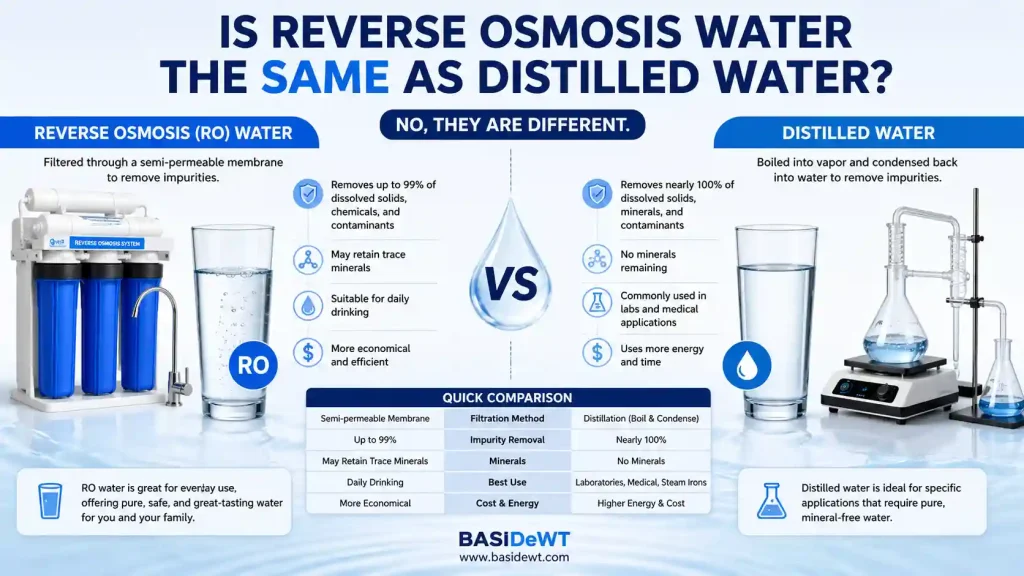
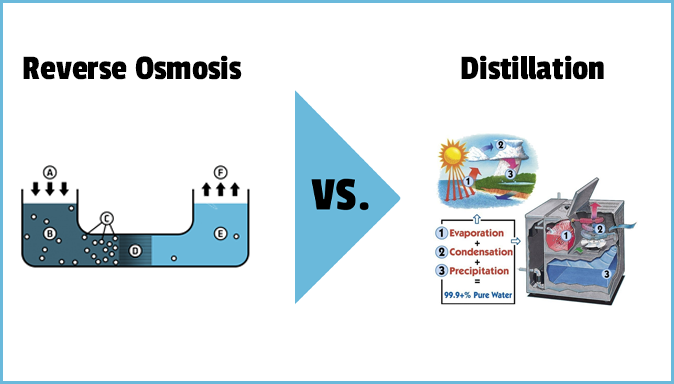
Think of distillation as water’s ultimate “getaway.” You heat water until it turns into steam, then capture that steam and cool it back into liquid. All the minerals, bacteria, and impurities are left behind in the pot—like friends you didn’t invite to the party.
Must Read
The result? Water that is astonishingly pure. It’s so clean that it’s used in car batteries, medical equipment, and steam irons (where minerals would cause buildup). But here’s the twist: distilled water tastes, well, flat. That’s because it’s missing those natural minerals that give water its “zip.”
In fact, some folks call it “dead water” for its lack of character. But don’t scoff—it’s the MVP for certain tasks, like cleaning your humidifier without leaving a chalky mess.
The Pros & Quirks of Distilled Water
On the plus side: nothing survives distillation—not even fluoride or heavy metals. It’s the safest bet if you’re concerned about contaminants. On the downside: it can be a bit boring to drink, and the process uses a lot of energy (hello, electric bill!).
Bonus fun fact: you can distill water at home with a pot and a lid! It’s like a science experiment you can actually drink. Just don’t expect it to win any flavor awards.
 Is Reverse Osmosis Water the Same as Distilled Water? - Basidewt-Best
What Is Reverse Osmosis?
Now, meet reverse osmosis (RO)—the high-tech ninja of water filtration. Instead of boiling, it uses pressure to push water through a super-fine membrane. Imagine a microscopic bouncer that only lets water molecules through, while shooing away chlorine, lead, pesticides, and even some viruses.
Here’s the best part: RO water keeps a tiny bit of mineral goodness—like calcium and magnesium. So it still tastes crisp and refreshing, not flat. You’ll often see reverse osmosis systems under kitchen sinks, quietly turning tap water into something fancy.
Think of it as the Goldilocks of water: not too pure, not too dirty—just right for everyday drinking and cooking. It’s also way more eco-friendly than buying plastic bottles!
The Catch (Because There’s Always One)
RO systems are not magic wands. They waste some water during the filtration process (that “reject water” goes down the drain). And they need regular filter changes—about twice a year. But for most households, the trade-off is totally worth it for that clean, silky taste.
Also, a heads up: RO removes fluoride, which is added to many municipal water supplies for dental health. If that’s important to you, you might want a remineralization filter. Small detail, big impact!
 Reverse Osmosis versus Distilled Water - My Pure Water
So, Which One Should You Choose?
Here’s the simple breakdown: Distillation is for special jobs—like filling a steam iron, making baby formula (if your pediatrician recommends it), or creating a mini science lab. Reverse osmosis is for everyday life—drinking, cooking, brewing that perfect pour-over coffee, and keeping your cool.
Honestly? Most people don’t need to choose between them. You can have a RO system at home and pick up a jug of distilled water for your car battery. It’s not a competition; it’s a toolbox!
And here’s the fun part: once you know the difference, you start noticing water everywhere. That crisp taste in a fancy restaurant? Probably RO. The cloudy ice cubes in your freezer? That’s dissolved air, not a filter issue (but now you know!).
The Uplifting Takeaway
Learning about water might not sound thrilling—until you realize how powerful small choices can be. The right water can make your tea taste better, your skin feel softer, and your morning ritual feel like a luxury. And that’s just the start.
So go ahead: question your water. Read a label. Try a taste test. You’re not being picky—you’re being curious. And curiosity? That’s the thing that turns a glass of water into a daily reminder that you care about the little things. Cheers to that!
