What Is The Difference Between Deionized Water And Distilled Water

So, picture this: I’m in my kitchen, staring at a half-empty water filter pitcher, trying to decide if I should make coffee with tap water or the stuff that’s been sitting in...
So, picture this: I’m in my kitchen, staring at a half-empty water filter pitcher, trying to decide if I should make coffee with tap water or the stuff that’s been sitting in the fridge for three days. You know the drill—the water tastes fine, but I start wondering: is this really “pure”? That’s when I fell down a rabbit hole of fancy bottled waters, and I stumbled onto two mysterious terms: deionized water and distilled water. They sound like something from a chemistry lab, right? Well, spoiler: they are lab-grade, but they’re also totally different—and I’m here to break it down for you without the science jargon headache.
Let’s start with the basics: what’s the deal with distilled water?
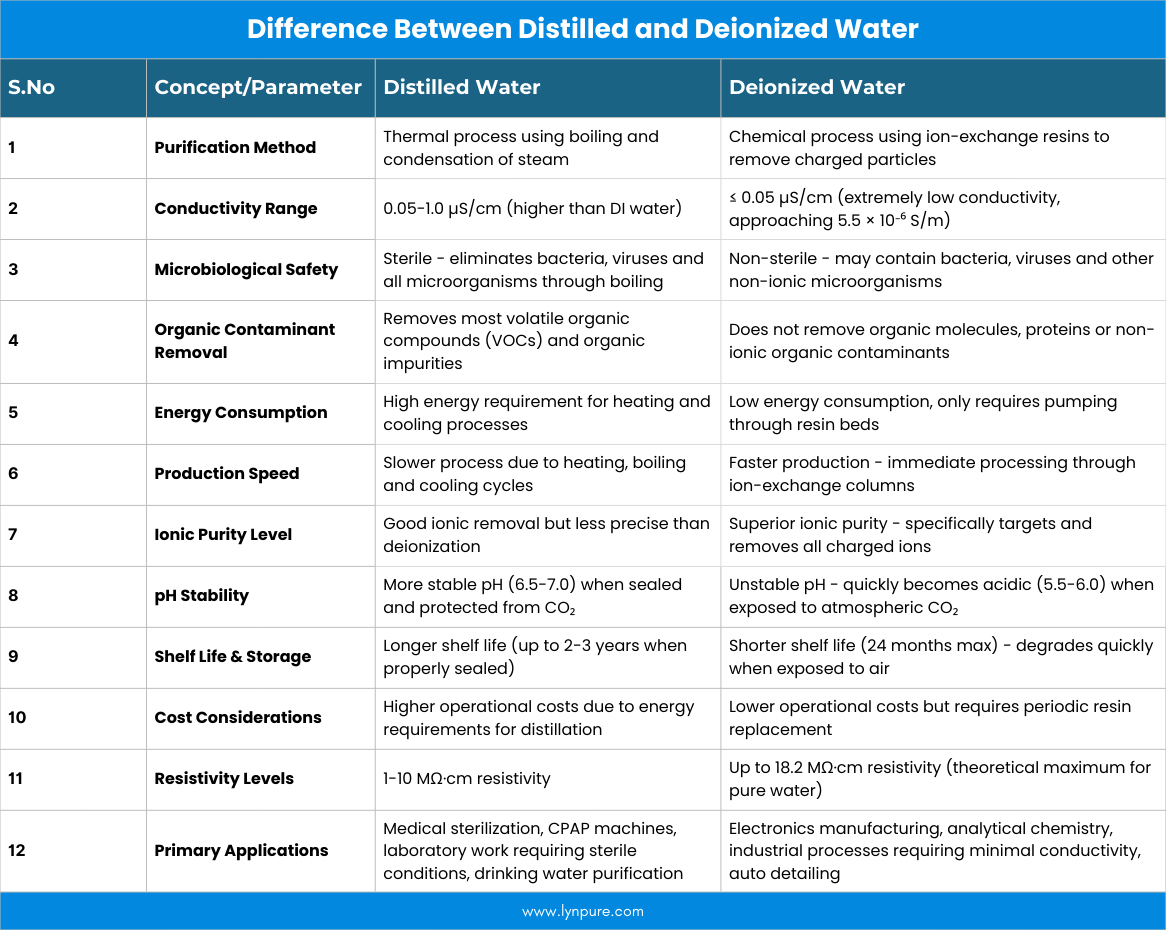
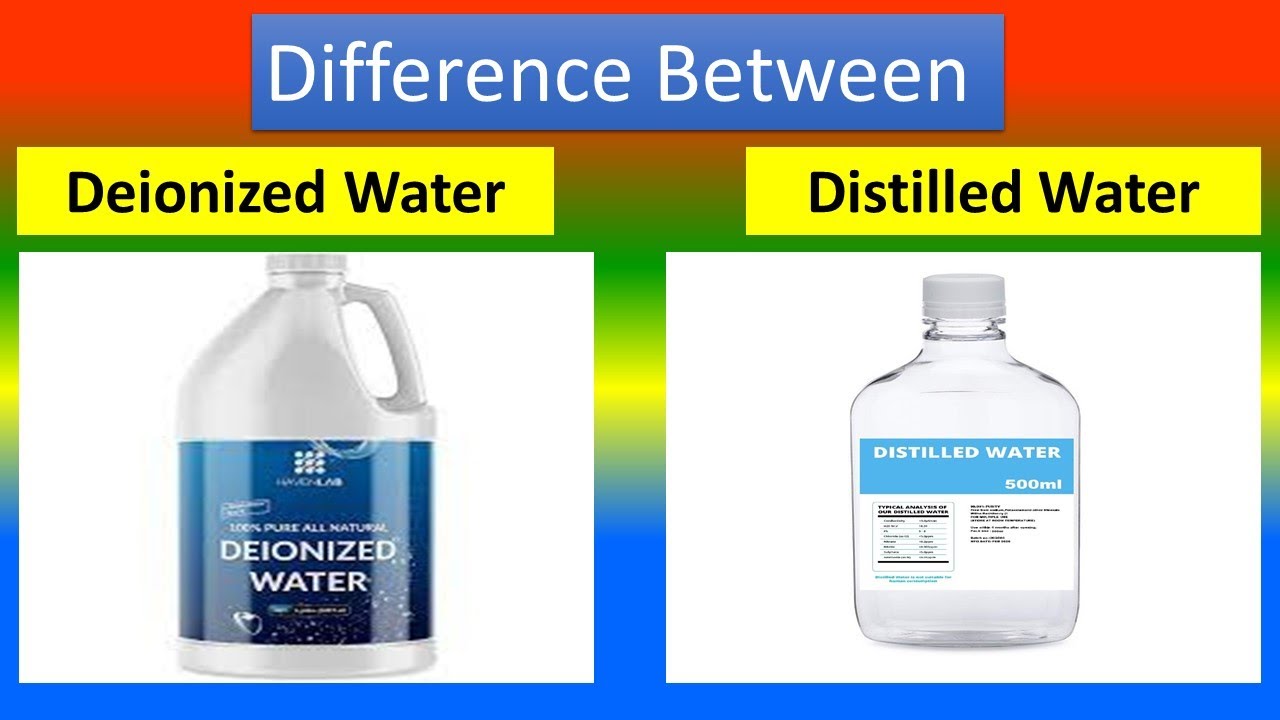
Distilled water is the old-school hero of purification. You boil water until it turns into steam, then you cool that steam back into liquid, leaving all the impurities behind—minerals, bacteria, even that weird metallic taste from your pipes. Think of it like cooking: you boil pasta, then dump the water, but you keep only the steam essence. The result? Water that’s about as pure as it gets, with almost nothing dissolved in it. I once tried drinking a glass of it, and it tasted… empty. Like drinking a cloud of nothing. That’s the giveaway: distilled water is so clean it’s almost eerie.
Now, what about deionized water? (And no, it’s not just fancy tap water.)
Deionized water takes a completely different route. Instead of boiling, it uses special resins—think of them as tiny magnets—to pull out all the charged mineral ions, like calcium, magnesium, and sodium. But here’s the kicker: it doesn’t remove organic stuff, bacteria, or viruses. So, if you start with tap water full of germs, deionized water is still pretty gross. It’s like filtering out the salt from a soup but leaving the chunks of broccoli floating around. Not ideal for drinking, right? That’s why you’ll find deionized water mostly in labs, car batteries, or aquarium tanks—places where minerals mess things up but germs don’t matter as much.
Must Read
So, which one is better for you? (Hint: probably neither.)
If you’re thinking, “Great, I’ll chug a gallon of distilled water for a detox,” hold your horses. Drinking distilled water for long periods can actually leach minerals from your body because it’s so hungry for ions. Deionized water? Same problem—plus, it might still harbor bacteria. Honestly, your tap water (if it’s clean) is better for daily hydration. But for specific tasks, the difference shines: distilled is your go-to for steam irons, humidifiers, or medical devices, while deionized is the MVP for lab experiments, car cooling systems, or cleaning electronics. I once used deionized water to clean my phone screen, and it left zero spots—magic, but I wouldn’t drink it.
The irony? They look identical, but their “personalities” are polar opposites.
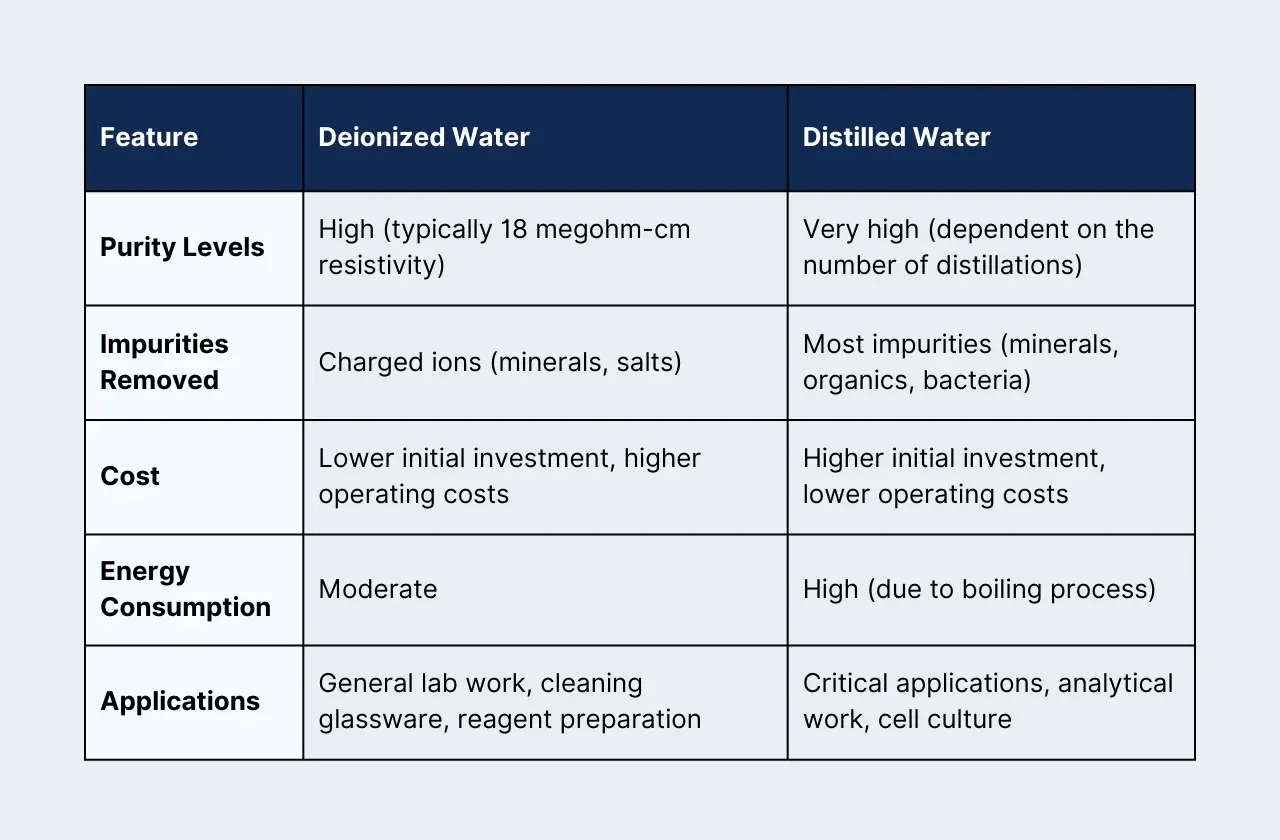
Here’s a fun party fact (yeah, I’m that person now): both types of water conduct electricity almost not at all—which is terrifying if you think about it. Pure water is a terrible conductor, so if you ever get the urge to zap yourself with a battery, don’t. But seriously, the real difference is in what’s removed. Distillation removes pretty much everything—including volatile chemicals that boil at lower temperatures than water, like alcohol. Deionization only targets ions, so it’s faster and cheaper, but it’s not “clean” in the same way. I always picture distilled water as the overachieving perfectionist, while deionized water is the cool, niche specialist that skips the boring stuff.
 Is Deionized Water The Same As Distilled Water?
Okay, so when would you actually need one over the other?
Let’s get practical. If you’re a coffee snob (like me), distilled water is a no-go—it makes coffee taste flat because it’s missing those minerals that extract flavor. But for a car battery? Distilled is a must, because minerals cause short circuits. On the flip side, if you’re mixing lab reagents, deionized water is the standard—it’s cheaper and removes the exact ions that could mess up chemical reactions. I once saw a video of a guy using deionized water to “refresh” a old cassette tape, and it worked like a charm. Weird, I know, but hey—it’s a thing.
So, what’s the bottom line?
In short: distilled water is the all-rounder that removes almost everything through evaporation, while deionized water is the selective filter that only zaps minerals. One is a sledgehammer, the other is a scalpel. For your morning coffee? Skip both. For your steam mop? Go distilled. For your science experiment? Deionized all the way. And next time you see a bottle labeled “purified water” at the store, you’ll know it’s probably just fancy tap water with a clever rebrand. Stay curious, folks—and maybe don’t drink either of these unless you’re really into existential taste.