What Is The Difference Between Distilled And Deionized Water

Ever stood in the grocery aisle, staring at two identical jugs of water, feeling utterly betrayed by science? One says “distilled,” the other says “deionized,” and you’re just...
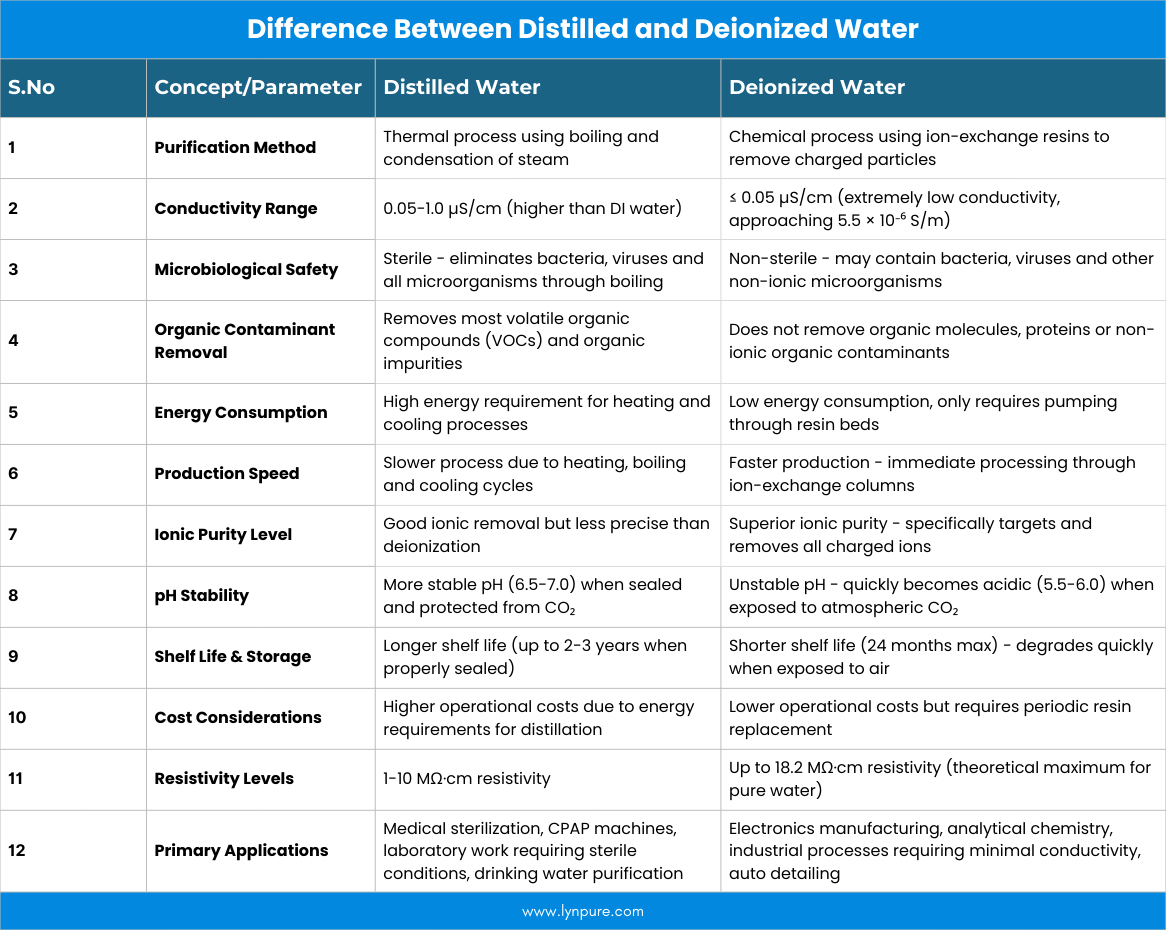
Ever stood in the grocery aisle, staring at two identical jugs of water, feeling utterly betrayed by science? One says “distilled,” the other says “deionized,” and you’re just trying to make coffee without your kettle turning into a miniature limestone cave. You are not alone in this confusion, my friend. We’ve all been there, holding a bottle like it’s a riddle wrapped in a plastic mystery.
The Great Purification Showdown
Let’s get the boring stuff out of the way first, but we’ll keep it on a need-to-know basis. Distilled water is basically the diva of the water world. It gets boiled into steam, leaves all its impurities behind like bad friends at a party, and then condenses back into pure liquid. It’s the water equivalent of a steamy spa day, where only the good vibes come along for the ride.
Deionized water is the sneaky ninja of purification. It doesn’t use heat; instead, it tricks electrically charged impurities (ions) into leaving by swapping them with hydrogen and hydroxyl ions. Imagine a bouncer at a club who only lets in people who look exactly like him, while kicking out everyone else. That’s deionization — a selective, slightly smug process.
Must Read
The biggest takeaway? Distillation removes almost everything (minerals, bacteria, your neighbor’s shedded skin cells), while deionization is a laser-focused strike on charged particles. Think of it like cleaning your house: distillation is renting a steam cleaner for the entire carpet, while deionization is using a magnet to pick up all the paperclips from the floor.
Everyday Life: Where You’ve Met Them
You’ve definitely met distilled water without knowing it. Remember that time you bought a bottle for your car battery or that fancy steam iron? That stuff is distilled, my friend. It’s the water that’s too pure to have a social life—it doesn’t leave spots on your windows, but it also doesn’t taste like anything. Drinking it is like listening to a song with no melody; it’s technically perfect, but deeply unsatisfying.
Deionized water is the invisible hero in your lab or hospital. It’s what they use to clean sensitive equipment or mix medicines. You don’t drink it because, well, it’s aggressively hungry for ions. If you did take a sip, it would feel weirdly flat, like the water has no personality. It’s the water that would ghost you after a first date because you have too many minerals.
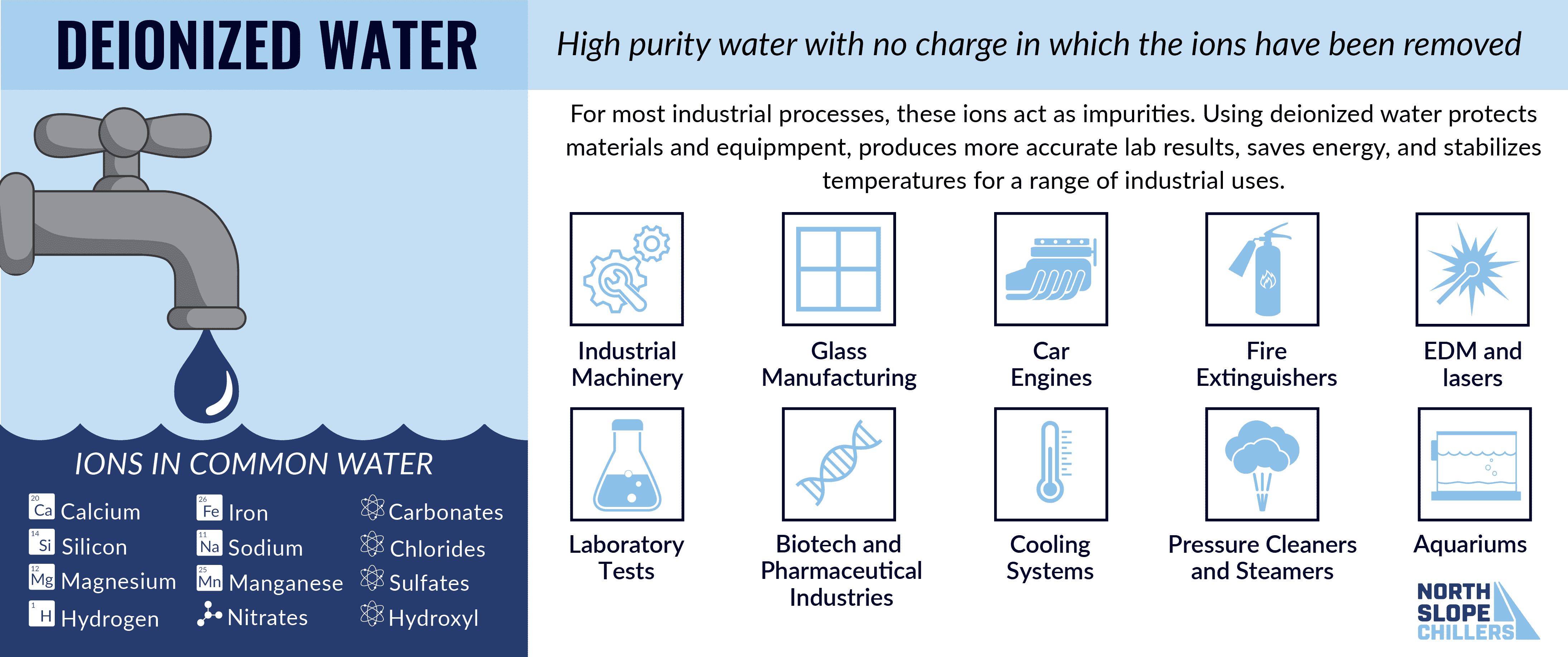 What Is The Difference Between Deionized Water And Distilled Water In
Most people encounter deionized water when their dishwasher runs out of rinse aid. That white filmy residue on your glasses? That’s hard water ions calmly laughing at your detergent. Deionized water would have prevented that drama, but the jug in your pantry costs three times as much as regular tap. Priorities, people.
The Taste Test: A Sad Experiment
If you ever want to feel fancy, try this: pour a glass of tap water, distilled water, and deionized water. Your tap water will taste like whatever your local river is up to that week — maybe metallic, maybe slightly funky. The distilled water will taste like you’re drinking the memory of water. It’s so clean it’s offensive, like licking a sanitized countertop.
Deionized water will taste… absent. It’s like someone removed the “wet” sensation and left only the concept of thirst. One friend described it as “drinking a glass of blankness.” I actually tried both side by side once, and I swear the deionized water made my tongue feel electrically confused. I don’t recommend it for a party trick.
When To Use Which (So You Don’t Look Clueless)
Use distilled water for your steam mop, iron, or CPAP machine. You want zero mineral build-up, because replacing a CPAP filter because of calcium is a special kind of Tuesday you don’t need. It’s also the top choice for baby formula if your tap water is sketchy, because boiling kills bugs, but distillation removes heavy metals and salts.
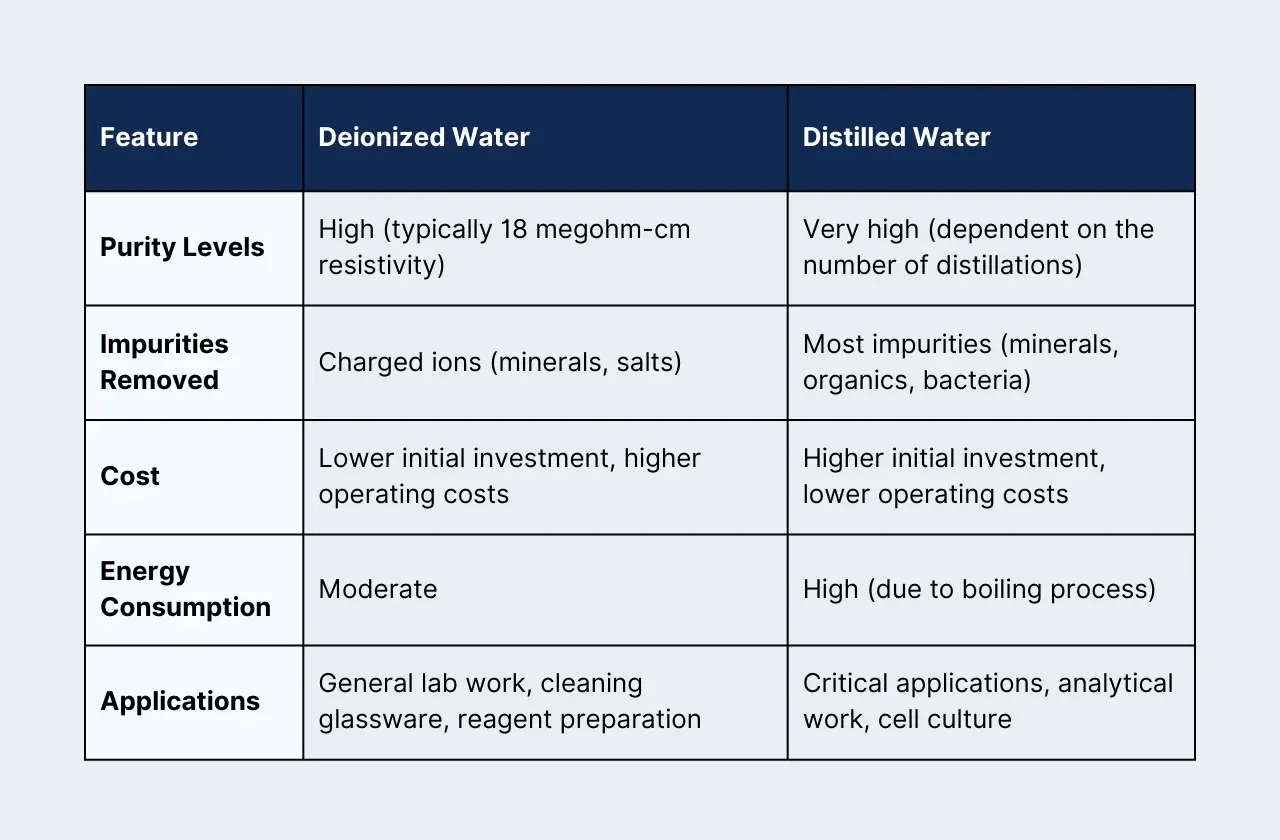 Is Deionized Water The Same As Distilled Water?
Use deionized water for things that involve electronics, car cooling systems, or aquariums. Fish are delicate drama queens, and they hate chlorine, copper, and magnesium. Deionized water is perfect here because you can add back exactly the minerals your betta fish demands for its 5-star lifestyle. Do not, however, use it for drinking—it can actually leach minerals from your body. That’s the opposite of hydration, buddy.
And for the love of all that is holy, do not try to make coffee with either of them. Coffee needs at least a few dissolved minerals to extract flavor properly. Using distilled water is like making coffee with sadness. Your morning brew will taste flat, weak, and a little bit disappointed in you.
The Final Sip
So, here’s the casual truth: distilled water is the overachiever who removed everything from the guest list, and deionized water is the picky host who only kicked out the charged troublemakers. They’re both purified, but they had very different parties. Unless you’re a chemist, a car enthusiast, or a person who irons their underwear, you probably don’t need to buy either.
Stick with tap water that’s been filtered through a Brita. It’s the perfectly imperfect compromise—clean enough to taste good, but still full of the benign chaos we call “minerals.” And next time you see those two jugs at the store, you can nod with smug satisfaction. Ah, yes. The spa queen and the ninja. I know them. You’re welcome.
