What Is Difference Between Purified And Distilled Water

So, you’re standing in the water aisle at the grocery store, staring at two identical-looking plastic jugs. One says “Purified,” the other says “Distilled.” You grab one, put...
So, you’re standing in the water aisle at the grocery store, staring at two identical-looking plastic jugs. One says “Purified,” the other says “Distilled.” You grab one, put it back, grab the other, and suddenly your brain feels like a dial-up modem trying to download a cat video. What is the difference?
Let’s fix that, friend. No chemistry degree required—just a willingness to giggle at the sheer weirdness of H2O.
First, the Big Picture: Both Are Fancy, Clean Water
Both purified and distilled water have been stripped of nasty stuff like bacteria, chemicals, and that metallic taste your tap water sometimes has. They’re the VIP guests at the water party—filtered, polished, and ready to go.
Must Read
But here’s the twist: they get to the VIP lounge via very different roads. Think of it like this: purified water took a spa day with a fancy filter system, while distilled water went through a full-on science experiment involving boiling and steam.
What Is Purified Water? (The Multitasker)
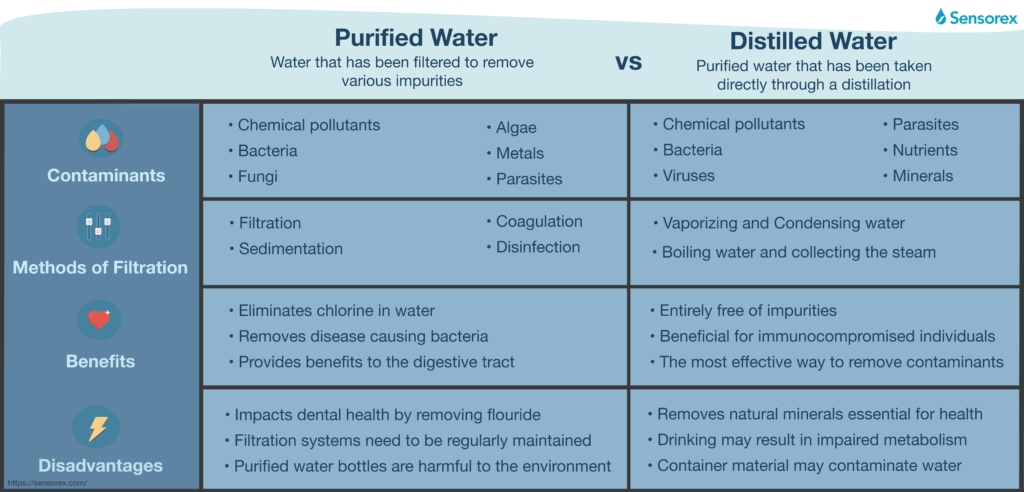
Purified water is any water that’s been physically processed to remove impurities. That could be through reverse osmosis, carbon filtration, UV light, or a combination of methods. It’s like a water makeover—whatever the source is (tap, ground, or even recycled), it gets scrubbed until it’s 99.9% pure.
The cool part? Purified water keeps some of the natural minerals in, but only if the filter lets them through. Most times, it’s just ultra-clean, tasteless water that’s perfect for drinking, making coffee, or pretending you’re a hydration guru.
Fun fact: Your fancy brand of bottled water? Yeah, it’s probably purified, not distilled. Marketing loves to call it “spring water,” but the source is often just a treated municipal supply. Shh, don’t tell anyone.
What Is Distilled Water? (The Drama Queen)
Distilled water takes the purification process to an almost theatrical level. It starts by boiling the water until it turns into steam, then capturing that steam and condensing it back into liquid. Think of it like stealing the water’s soul—all the impurities (minerals, metals, that weird smell) get left behind in the boiling pot.
Because of this, distilled water is ridiculously pure. We’re talking 99.9% pure with basically nothing dissolved in it. It’s so clean it almost feels aggressive. You know how some people say “this water tastes like nothing”? That’s distilled water bragging.
 Distilled vs. Purified Water: 4 Differences & Health Benefits
But here’s the catch: distillation removes everything, including beneficial minerals like calcium and magnesium. Some health nerds argue that drinking distilled water long-term could leach minerals from your body. Don’t panic—a glass now and then won’t turn you into a human skeleton. But it’s not your daily hydration superstar for most folks.
The Big Differences (No Spreadsheet Required)
Let’s break it down like a high school science project:
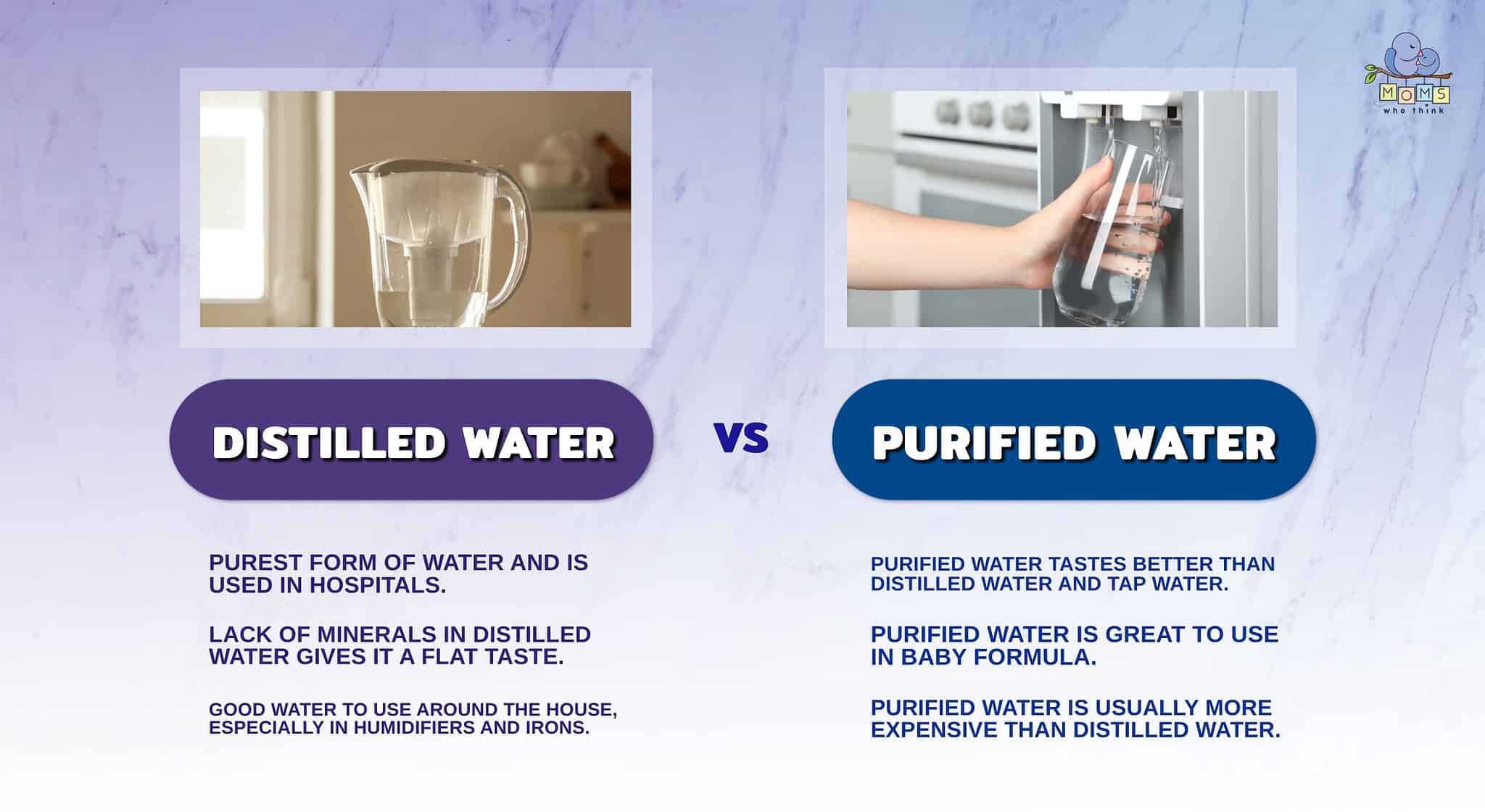
- Purified water: Filtered through various methods. Keeps some minerals (maybe). Tastes like, well, water. Great for drinking, cooking, and keeping your coffee maker happy.
- Distilled water: Boiled and condensed. No minerals left. Tastes “flat” or empty. Perfect for steam irons, car batteries, and humidifiers—but meh for drinking long-term.
If you drink purified water, you’re getting a clean, balanced sip. If you drink distilled water, you’re basically chugging science fiction—pure H₂O without any of the side characters.
Which One Should You Actually Pick?
That depends on your vibe and what you’re doing with it.
Drinking it daily? Go with purified. It’s safe, tastes fine, and your body won’t miss the minerals that distillation steals. Plus, most home filters (like Brita or reverse osmosis) produce purified water, so you don’t even need to buy jugs.
Using it for your fancy at-home espresso machine, a steam cleaner, or topping off your car’s battery? Distilled is your bestie. The lack of minerals means no scale buildup in your appliances. Your coffee machine will thank you with a shiny, longevity-filled future.
Making baby formula? Check with your pediatrician, but many say purified is fine—just avoid distilled for long-term use because of the mineral thing. (Babies need their tiny bones to grow, you know.)
 Distilled vs. Purified Water: What’s the Difference? – Waterdrop Europe
A Little Joke to Seal the Deal
Why did the water molecule break up with the filter? Because it felt too purified and lost its chemistry spark. Ba-dum-tss.
Okay, okay—I’ll see myself out.
The Softer Side: What This Means for You
Look, the real difference between purified and distilled water isn’t about science—it’s about choice. You’re already awesome for caring about what goes into your body and your gadgets. That’s more than most people do.
In the end, both are clean, safe, and way better than drinking from a garden hose. (Please don’t drink from a garden hose.) The world is messy, and we all need a little purification—whether it’s water, your morning coffee, or that one friend who judges your taste in music.
So next time you’re in that aisle, remember: purified for drinking, distilled for machines. And if you accidentally grab the wrong one? No big deal. You’ll still be hydrated. The world won’t end. Your espresso machine might throw a tiny tantrum, but you can handle it.
Final Thought (With a Smile)
Water is life. Whether it’s purified, distilled, or straight out of a mountain spring (if you’re that lucky), the real magic is in the drinking. So raise your glass, take a sip, and remember: you’re not just hydrating—you’re participating in the planet’s wildest, wettest, most refreshing adventure.
And that’s something to smile about. Cheers, you beautiful, hydrated human.
