Where Does Most Drinking Water In Rural Areas Come From

Alright, grab your canteen and pull up a chair. We’re about to dive into one of the world’s most overlooked mysteries: where does the water in your rural aunt’s kitchen sink a...
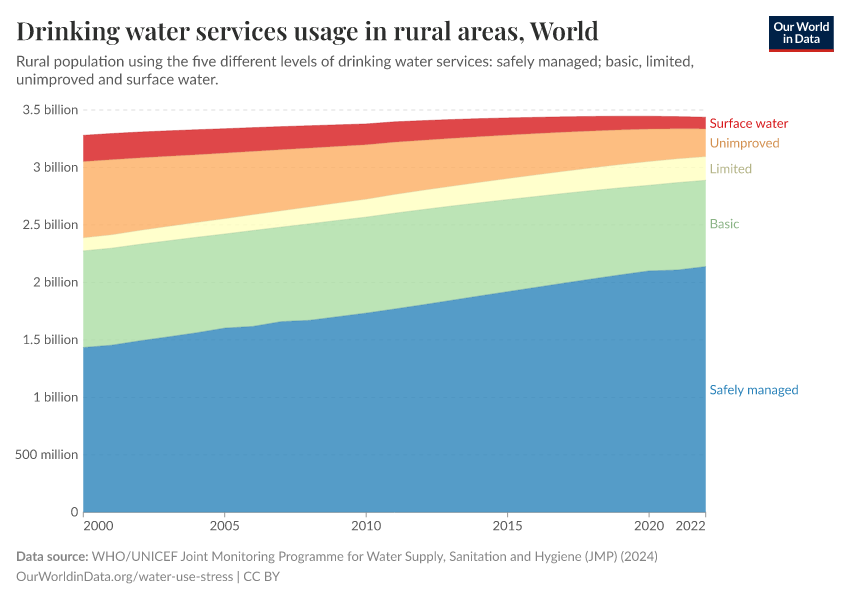
Alright, grab your canteen and pull up a chair. We’re about to dive into one of the world’s most overlooked mysteries: where does the water in your rural aunt’s kitchen sink actually come from? Spoiler alert: it’s not magic, and it’s definitely not a city water tower with a fancy logo.
The Great Groundwater Heist (That Nobody’s Jailed For)
Let’s get the big, soggy elephant out of the room. About 90% of rural drinking water comes from something you can’t even see: groundwater. That’s right, folks. It’s ancient H₂O hiding in cracks and crevices deep underground, like a secret society of wetness.
Think of it as Earth’s own water bottle—except it’s been refilling itself since the last ice age. And no, you don’t need a special key. You just need a well.
Must Read
Wells: The Original Water Fountain
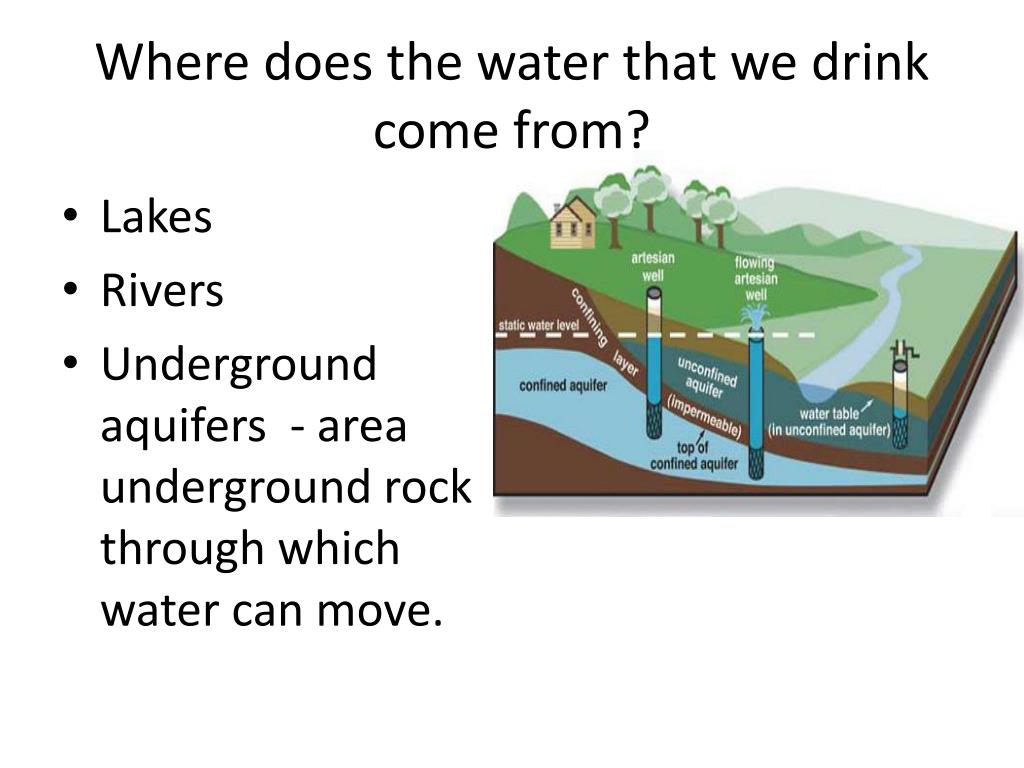
If you live in the country, you probably have a well. It’s basically a hole in the ground that’s very assertive. Someone drilled down until they hit an aquifer—a layer of rock or sand so soaked it could give a sponge an inferiority complex.
Fun fact: that water might have fallen as rain when your great-great-grandparents were wearing funny hats. Some groundwater is over a million years old. It’s basically the scotch of hydration—aged to perfection, but without the burn.
But Wait—What If You Don’t Have a Well?
Ah, the plot thickens. About 15% of rural Americans rely on surface water—lakes, rivers, and streams. But here’s the kicker: you’re not just drinking the river. You’re drinking the river that passed through the town upstream, where cows may have had a philosophical debate in the shallows.
That’s why filtration isn’t optional; it’s a survival skill. Think of it as Water’s version of a background check. “Is this creek a friend or a foe today?” The answer is usually “a friend, but don’t trust it without a good filter.”
The Rainwater Cowboy Solution
In some remote areas—like parts of Australia, the Caribbean, or your weird cousin’s off-grid cabin—people collect rainwater. Yes, you heard that right. They catch sky-juice off their rooftops and store it in tanks. It’s like a 5-gallon bucket, but with delusions of grandeur.
 PPT - Water Usage and Treatment PowerPoint Presentation, free download
This water is surprisingly soft and pure, until a bird uses the roof as a restroom. Then you’re basically drinking unsweetened iced tea with a dash of attitude. That’s why good rainwater systems have first-flush diverters—fancy gadgets that say, “Nope, that first splash of bird-bath runoff is not invited to the party.”
The Unsexy Hero: The Aquifer
Let’s get serious for half a second—then we’ll go back to jokes. The biggest source of rural water is the Ogallala Aquifer in the central U.S. It’s so huge it feeds eight states and irrigates about 30% of America’s crops. But here’s the scary punchline: we’re draining it faster than a teenager finishes a soda.
Some parts of the Ogallala could be dry by 2050. That’s not a joke—that’s a plot twist nobody asked for. But don’t panic yet! Rural folks are getting clever with water conservation, drip irrigation, and even recharging aquifers by intentionally flooding fields. It’s like giving the Earth a refill at the cosmic 7-Eleven.
Bottled Water? Please. You’re Not a Tourist.
I know what you’re thinking: “Can’t I just buy bottled water?” Sure, if you enjoy paying 2,000 times more for something that’s often just tap water in a fancy dress. In rural areas, the tap water from a well costs about $0.005 per gallon. That’s half a penny. You could fill a swimming pool for the price of a latte.
And let’s be honest: that plastic bottle will outlive your grandchildren. Rural water is local, it’s cheap, and it doesn’t come with a guilt trip for the planet. It’s the unsung hero of the hydration world.
 Technological Innovations for Rural Water Supply
The Wild Card: Private Springs
Every so often, someone discovers a natural spring on their land. That’s like winning the hydration lottery. The water bubbles up pure, cold, and free—no drilling, no filters, no drama. These lucky souls become the water celebrities of the neighborhood.
But don’t get jealous. Most springs are actually just groundwater that decided to take a shortcut. And if a spring goes dry? Well, that’s nature’s way of saying, “Find another plan, pal.” It’s capricious, like your cat demanding food at 3 AM.
So, What’s the Takeaway?
Rural water comes from three main sources: groundwater wells (the MVP), surface water (the cheap thrill), and rainwater (the DIY project). It’s a system as old as dirt—literally—and it works because humans are good at digging, filtering, and praying for rain.
Next time you visit the countryside and take a sip, raise your glass to the unsung aquifer, the noble well pump, and the roof gutter that brought you that sweet, earthy hydration. It’s not fancy. It’s not glamorous. But it’s yours, and it’s free—just like this article.
(Now go drink some well water and contemplate your connection to a million-year-old rainstorm. I dare you.)
