What Is The Difference Between Distilled And Tap Water

Let’s be honest: most of us don’t spend our Sunday mornings pondering the molecular makeup of our drinking water. We just turn on the tap, fill a glass, and get on with life....

Let’s be honest: most of us don’t spend our Sunday mornings pondering the molecular makeup of our drinking water. We just turn on the tap, fill a glass, and get on with life. But somewhere between a trendy wellness influencer’s fridge and your kitchen sink, a quiet debate bubbles up: distilled versus tap. Is one actually superior, or are we just overthinking H₂O?
The Basics: Where Your Water Comes From
Tap water is the local celebrity of hydration. It arrives at your sink via a municipal treatment plant, where it’s filtered, chlorinated, and tested for safety. It’s convenient, regulated by the EPA, and costs pennies per gallon. Distilled water, by contrast, is the introverted perfectionist. It goes through a process of boiling, evaporation, and condensation, leaving behind nearly everything except pure H₂O. Think of it as water that went to a very expensive spa and came back with zero baggage.
The core difference is simple: tap water contains minerals (calcium, magnesium, fluoride), while distilled water contains essentially nothing. Distillation strips away not just contaminants, but also the good stuff your body actually uses. It’s the difference between a multivitamin and a glass of plain sugar water—one gives you something, the other is just empty calories… but for your hydration.
Must Read
Cultural Snapshots: A Tale of Two Glasses
In the United States, tap water is a point of pride and a source of endless debate. New Yorkers swear by their reservoir’s soft, mineral-rich flow, while Flint, Michigan, taught us that trust in tap water is hard-earned. Meanwhile, filtered-water jugs have become a status symbol in trendy co-working spaces. Distilled water, however, is the quiet guest at the party—you see it in a baby’s nursery (for formula mixing), inside a steam iron (no mineral buildup), or on the shelf of a clean-eating guru’s pantry.
Culturally, distilled water feels a bit sterile—literally. It’s the water equivalent of a hotel room that’s been bleached to perfection. Tap water feels like your favorite café: messy, lived-in, and full of character. Neither is wrong; they just serve different scenes in the film of your life.
Practical Tips: When to Choose What
Drink tap water for daily hydration. It contains fluoride for dental health and electrolytes your body recognizes. Unless your local supply has a known issue (check your city’s annual water quality report), tap water is perfectly safe, often better than bottled, and way better for the planet. If you’re worried about taste, a simple pitcher filter does the job without stripping essential minerals.
 Tap Water vs Distilled Water - Differences & Comparison
Choose distilled water for specific tasks. It’s ideal for medical devices (like CPAP machines), car batteries, aquarium setups, and household appliances that hate mineral scale. Some people use it for coffee makers and steam irons to prevent white buildup. For drinking? It’s technically safe, but long-term use without mineral supplementation may leave you craving nutrients you’re not getting.
Here’s a fun fact: astronauts drink distilled water on the ISS. Why? Because there’s no municipal water system in space, and recycling every drop is essential. But astronauts also eat specially fortified food to replace missing minerals. So unless you’re spending the weekend in orbit, stick with tap for your morning glass.
The Mineral Memory and Taste Test
Have you ever tasted distilled water? It’s flat. The lack of minerals makes it feel thin on the tongue, like a whisper instead of a shout. Tap water, with its trace minerals, has mouthfeel—a subtle body that your palate registers. Some wine experts even argue that water quality affects how you taste your food. A sip of mineral-rich tap might enhance a sharp cheese, while distilled just… wets your mouth.
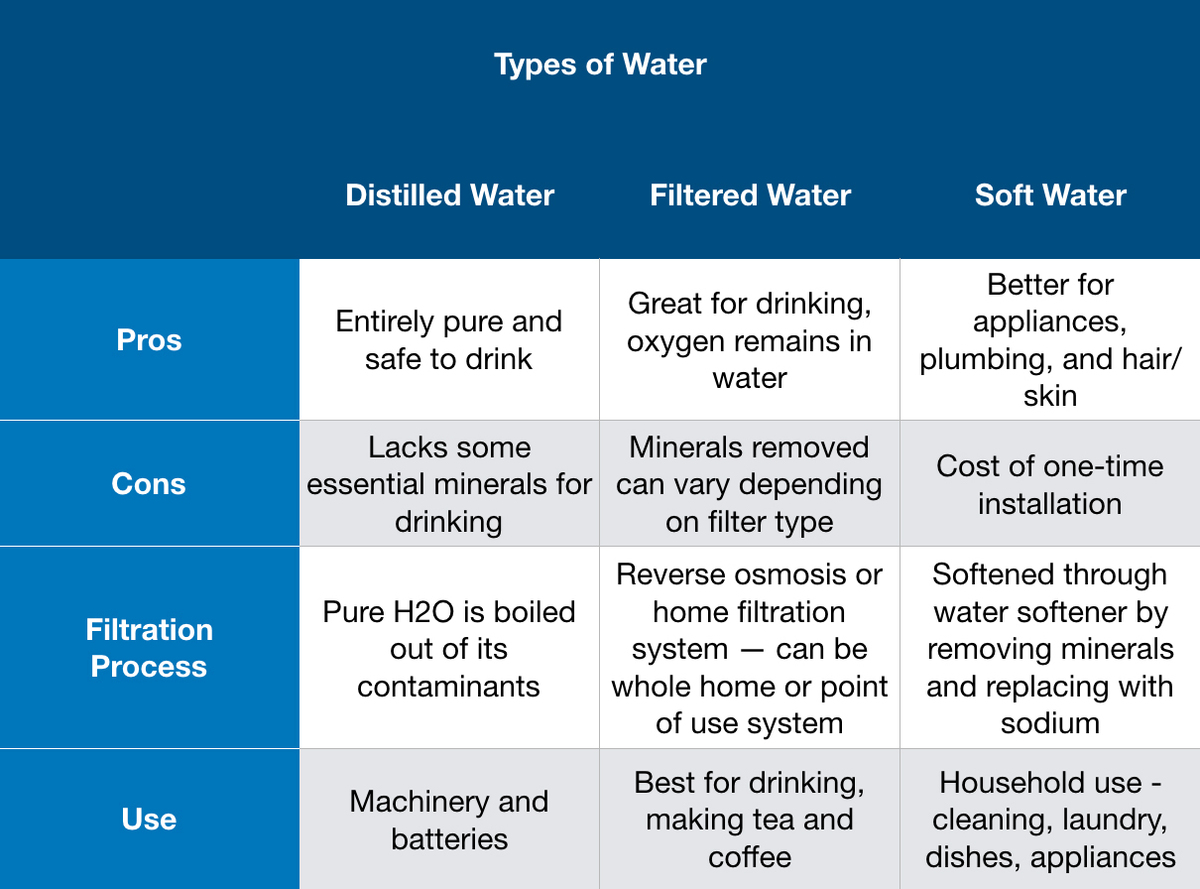 Distilled Water vs Tap Water: Is There a Difference? — WaterSmart
Another cultural reference: in Japan, high-end sushi chefs use filtered or bottled water specifically for washing rice, believing that localized tap water affects the flavor. It’s a reminder that water isn’t neutral—it’s a character in your kitchen. Distilled water is like a silent movie actor: functional, but lacking in personality.
Five Quick Facts to Drop at Your Next Dinner Party
1. Distillation was first documented by Greek alchemists in the 1st century AD to purify seawater. 2. Tap water in the U.S. is tested for over 90 contaminants; distilled water is tested for zero because there’s nothing left. 3. The process of distillation uses about three gallons of source water to make one gallon of distilled water—it’s not very efficient. 4. Some people claim drinking distilled water leaches minerals from your body—science says this is a myth, but it doesn’t replace them either. 5. Your local tap water’s mineral content varies by season—spring runoff often changes the flavor profile, like a tiny vintage for your glass.
The Bottom Line: No Drama, Just Hydration
Here’s the truth: for 99% of your life, tap water is the star. It’s affordable, environmentally conscious, and packed with tiny, useful minerals. Distilled water is a specialist—like a sous-chef who only makes sauces. You don’t need it every day, but when you do, you’re glad it’s there. The debate isn’t about which one is “better” in some universal sense; it’s about context. Pour tap water into your body. Pour distilled water into your iron. And maybe, just once, taste both side by side—you’ll notice the difference immediately.
Ultimately, the difference between distilled and tap water is a reminder that even the simplest things in life carry nuance. We overthink water because we can, but the real magic is in the act of drinking—whether it’s a cool glass from the tap on a hot day or a measured ounce in a CPAP machine before bed. Water connects us to our environment, our health, and our habits. So next time you fill your glass, take a moment to appreciate the journey it took. And if someone asks you about distilled versus tap? Smile, take a sip, and say, “It depends on where you’re going.”
