Why Does My Dishwasher Leave A White Film On Dishes

You know that moment. You open your dishwasher expecting a sparkling miracle, and instead, your wine glass looks like it went five rounds with a dusty chalkboard. That white f...
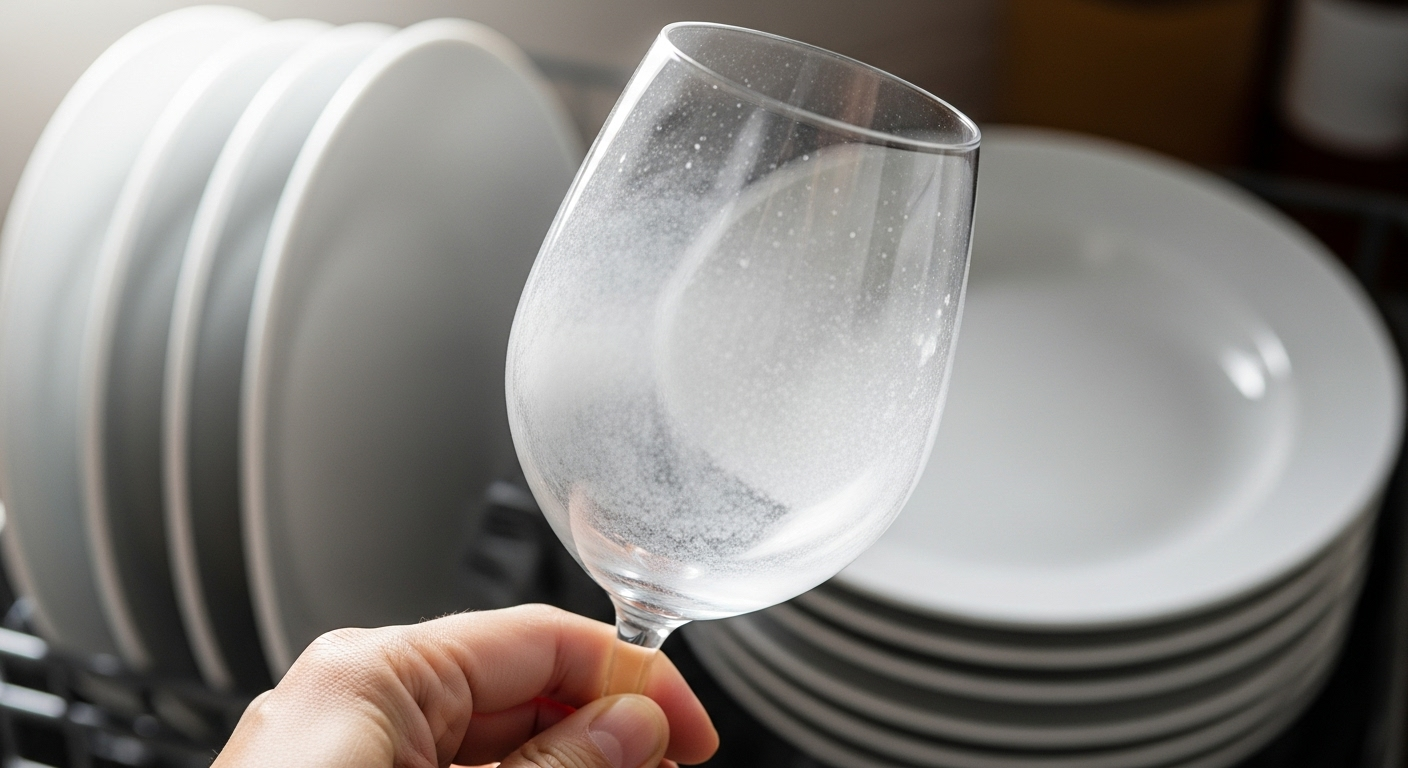
You know that moment. You open your dishwasher expecting a sparkling miracle, and instead, your wine glass looks like it went five rounds with a dusty chalkboard. That white film isn’t a ghost; it’s a very real, very annoying crud. It’s the kitchen equivalent of getting a parking ticket on a day you were already running late.
Let’s be real: nobody has time to hand-wash every single cup. We bought the dishwasher to be our hero, not our science experiment. So why does it keep betraying us with this cloudy residue? Relax, I promise the answer isn’t “buy a new dishwasher.” It’s usually something you can fix with stuff you already own.
The Main Villain: Hard Water and Its Mineral Army
Think of your tap water like a soup. In some towns, that soup is light and clear. In others—like mine—the soup is full of calcium and magnesium chunks. Hard water is basically nature’s glitter: it gets everywhere and refuses to leave.
Must Read
When your dishwasher heats and sprays this hard water, the minerals don’t evaporate. They cling to your plates like that one friend who doesn’t know when the party is over. That white film is literally just cooked-on rocks. Yes, you are washing your dishes with liquid rock.
The solution here is surprisingly simple: rinse aid. I know, I know, it feels like an upsell from Big Dishwasher. But pour that magic blue liquid into the little door, and it helps the water sheet off your dishes instead of beading up and drying into spots. Your glasses will look so clear, you’ll wonder if you accidentally bought new ones.
When Soap Betrays You (The Detergent Drama)
Maybe your water is fine, but your soap is a traitor. Too much detergent can actually cause that film. It doesn’t dissolve completely, so it bakes onto your dishes like a bad quiche crust.
It’s counterintuitive, I know. We’re programmed to think “more bubbles = cleaner.” But modern dishwashers are stingy with water—by design. If you cram the powder dispenser full to the brim, you’re just making a paste. Use less than you think you need. Seriously, a tablespoon of good powder often beats a heaping scoop of cheap gel.
And here’s a weird trick: fill your rinse aid compartment with plain white vinegar once a month. It’s like a detox for your machine. Your dishwasher will sound like it’s gargling, but it’s actually breaking down that invisible glue holding the film together.
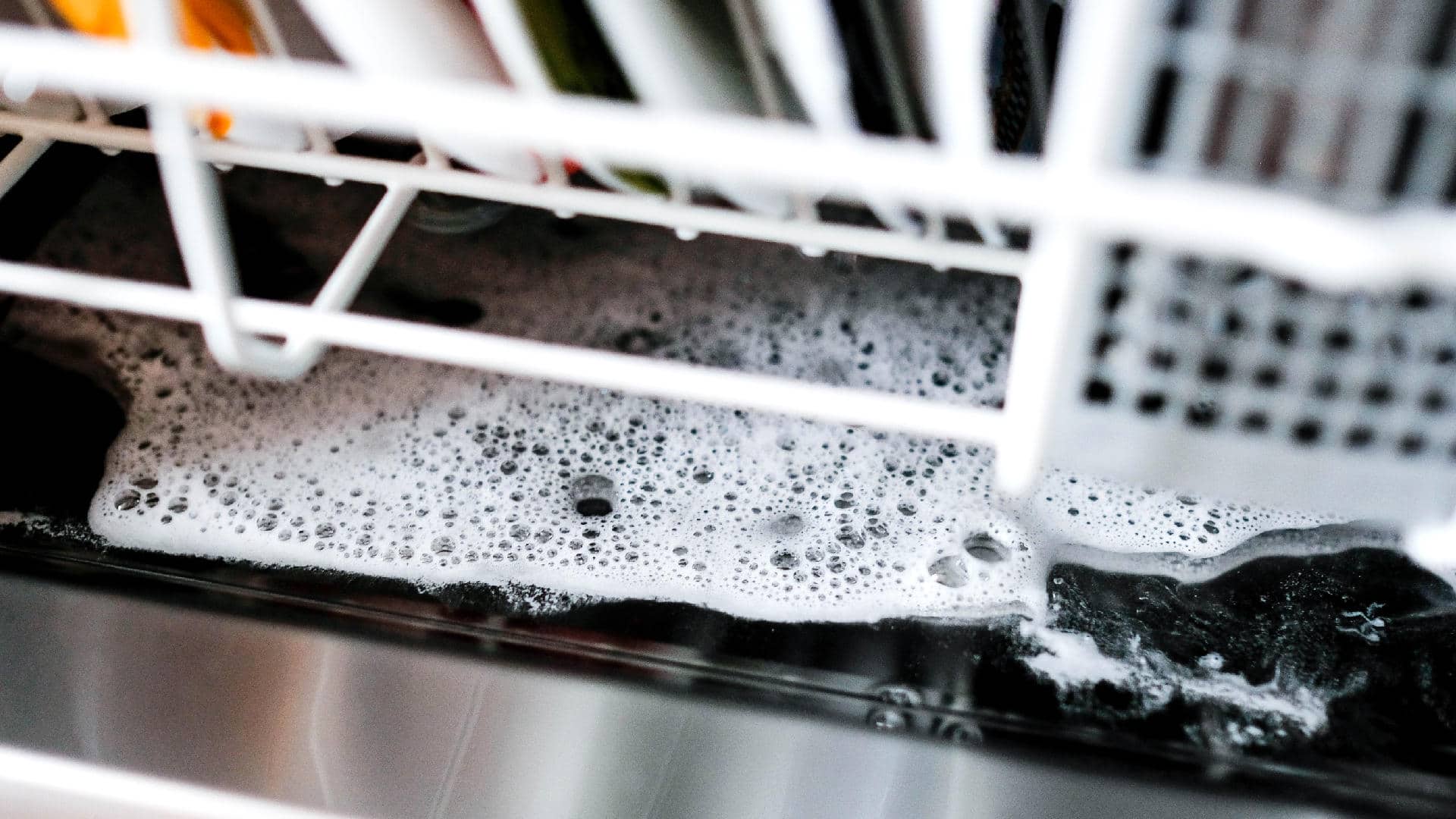 Dishwasher Leaves White Residue On Dishes at Hunter Hunter blog
The Temperature Tango: Hot Enough for a Science Project?
Your dishwasher has a heater, but it’s not a miracle worker. If your home’s water heater is set to “lukewarm bath” (below 120°F or 49°C), your dishwasher is basically trying to clean with cold soup. The water isn’t hot enough to dissolve soap or minerals properly.
This is the most common “fix” nobody checks. Go to your sink, let the water run for a minute, and hold a meat thermometer under it. If it’s cooler than your morning coffee, turn up your water heater. Run the kitchen sink hot before you start the dishwasher. This primes the pipes so the first blast of water is actually hot, not tepid.
I once thought my dishwasher was possessed. Turns out, my water heater was set to “energy-saving scald” which was code for “lukewarm failure.” After I cranked it up a notch, the ghosts vanished. Temperature matters more than soap.
The Cleaning Crew: You’re Not Cleaning the Cleaner
Here is the dirty secret no one tells you: dishwashers get gross. They are dark, damp caves where old food and grease party all night. If your filter is clogged with mashed potato fossils, it’s just spraying dirty water back on your dishes. That film might be recycled grime. Gross, but true.
Check the bottom of your dishwasher. There is usually a cylindrical filter you can twist out. Pull it out and give it a scrub in the sink with a brush. The first time I did this, I found what looked like a forgotten science experiment from 2019. Clean the filter every month if you want to avoid the white film return.
 10 Reasons Your Dishwasher Leaves White Film On Glasses And Dishes
Also, the spinning arms clog. Stick a toothpick in the holes and clear out any blockage. If the water can’t spray, it can’t rinse. Your dishes are just getting a lazy, mineral-rich fog bath instead of a proper shower. That’s why the film loves the top rack the most.
When All Else Fails, Use The Lemon Hack
Sometimes the film is just stubborn. You’ve checked the water, reduced the soap, and scrubbed the filter. Still, your plates look dusty. Try a citric acid wash. You can buy it as a powder online, or just toss a cup of white vinegar in a dishwasher-safe bowl on the top rack.
Run a hot cycle with nothing else inside. This is basically a spa day for your machine. The acid eats away the mineral deposits that are hiding in the pipes. After that, run a normal cycle with half the usual soap. Your next load will come out looking like a hotel commercial.
I did this on a whim after a particularly sticky pasta night. The next morning, my coffee mug didn’t look like it had been dusted with flour. I almost cried with joy. It works because chemistry is on your side, not because I’m a wizard.
So, don’t panic about the white film. It’s not your fault your water is rocky or your soap is greedy. Just treat your dishwasher like a picky pet: give it the right food (less soap), the right temperature (hot water), and a clean bed (the filter). It will reward you with sparkle. And if it still rebels? Pour yourself a drink in a cloudy glass and mutter, “I’ll defeat you tomorrow.” We’ve all been there.
