How Long Does It Take To Install A Water Softener

So, you’ve decided to join the fight against hard water. Congratulations! You are now a warrior in the Great Limescale Rebellion of 2025. The white crust on your faucets, the...
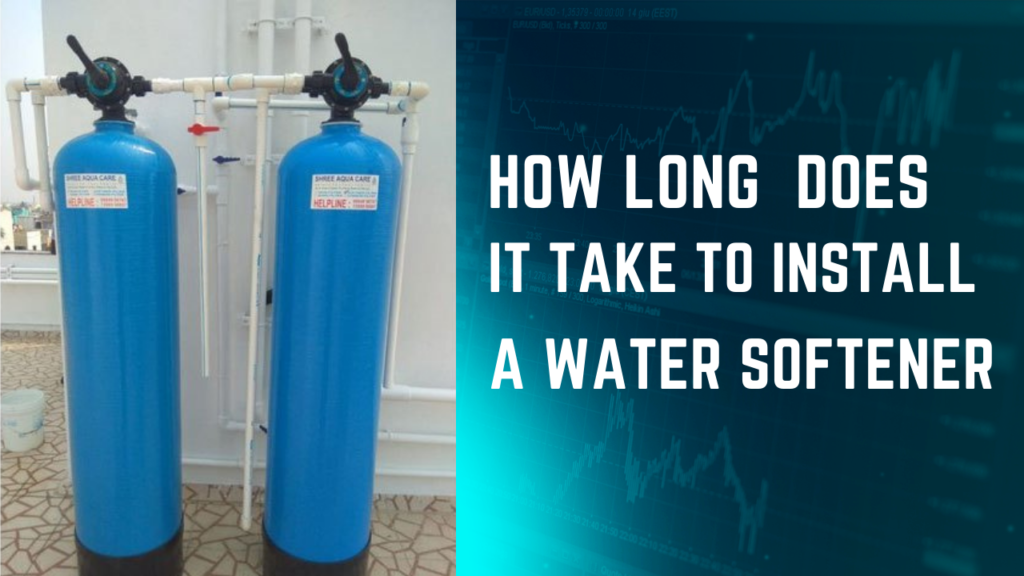
So, you’ve decided to join the fight against hard water. Congratulations! You are now a warrior in the Great Limescale Rebellion of 2025. The white crust on your faucets, the sad, lifeless soap scum, and the vaguely gritty feeling of your “clean” skin are finally about to meet their match. But before you can start enjoying silky, mineral-free water, there’s one massive, terrifying question: How long does it actually take to install the thing?
The short, sarcastic answer is: somewhere between a brisk hour and the emotional duration of a Lord of the Rings extended edition marathon. The real answer depends entirely on whether you are a confident DIY warrior or a person who owns exactly one wrench and a prayer. Let’s break down this timeline, because your weekend plans—and your sanity—hang in the balance.
The DIY Saga: Two Hours to Never (Again)
If you’re a plumber, an engineer, or someone who defines “fun” as sweating over copper pipes, you can probably fit a standard water softener in two to four hours. That’s the dream scenario. You’re already fluent in the sacred language of shut-off valves and Teflon tape. You know which end of the hacksaw to hold. The universe rewards your competence with a relatively painless afternoon.
Must Read
But let’s be honest: most of us aren’t that person. If you are a regular human, the DIY estimate balloons into a weekend project that leaves you questioning your life choices. You will spend the first hour trying to find a screwdriver that isn’t covered in dried paint. Then, you’ll discover your copper pipes were installed by a drunk raccoon in 1973, requiring a trip to the hardware store for “just one more adapter.” You’ll cry a little when you tighten a connection too hard and hear the hiss of escaping water. Pro tip: buy three rolls of plumber’s tape. You will lose two of them in a vortex of frustration.
Don’t be surprised if you’re still wrestling with the brine tank at 11 PM on a Sunday, wondering why you didn’t just move to a house with naturally soft water. The average non-plumber DIY installation takes about six to eight hours—and that’s if you haven’t had to run to the hardware store four times like a sad, mineral-stricken zombie. Surprising fact: The most common reason for a failed DIY install is simply forgetting to install the bypass valve. Without it, you’ll spend the next week showering in what feels like rusty regret.
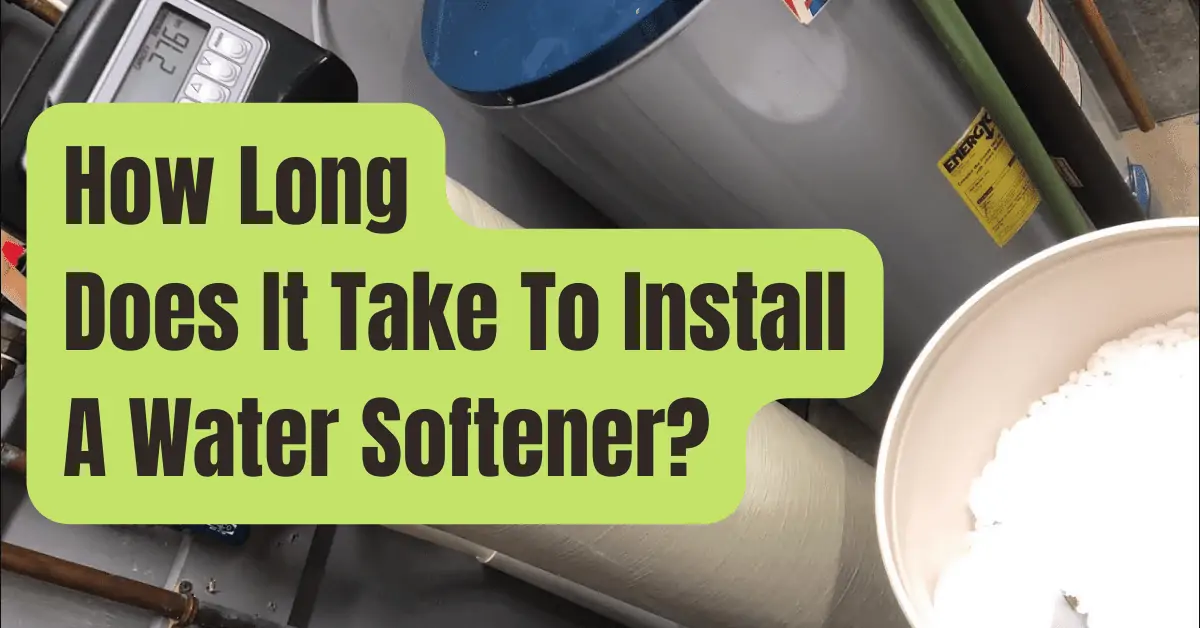 How Long Does It Take To Install A Water Softener - RVing Beginner
The Professional Hour: The Lazy Person’s Dream
Now, let’s talk about the smart folks who call a pro. This is the “café while someone else does the work” option. For a standard install—where your main water line is reasonably accessible, you have an electrical outlet nearby, and your drain pipe isn’t haunted—a professional plumber can be in and out in one to three hours. They arrive with a van full of magical parts. They don’t need to go to the store. They have seen the raccoon plumbing before. They are unimpressed by your shame.
The trick is that the clock doesn’t start the moment you hand over your credit card. The real timeline includes the two-week wait for the appointment, the 9 AM to 12 PM window that actually starts at 10:45, and the occasional “Gotta check with my supervisor” phone call. But the actual labor? A breeze. They will install your system in roughly the same time it takes you to watch a single episode of The Great British Bake Off.
What if the job is complicated? If your house was built during the Eisenhower administration and your pipes are made of hopes, dreams, and lead, the pro timeline can stretch to four to six hours. They might need to cut into a wall, replace a section of corroded pipe, or fight a wayward spider colony living in the drain. That’s not their fault. That’s your house being a dramatic diva. Fact: The hardest part for a pro is often just getting the old, crusty water heater to stop leaking after they touch it. Water heaters are vengeful creatures.
:max_bytes(150000):strip_icc()/installing-a-water-softener-2718669-FINAL-1-ee8de137dcf84b5db1e28f84a7dec11b.png) How Water Softeners Work Diagram 940x1245
How Water Softeners Work Diagram 940x1245
The Surprising Factors That Ruin Everything
No one tells you about the drain line. You think you’ll just shove a small tube into a nearby floor drain. But if your softener needs to be 30 feet away from the drain in a basement that’s actually just a glorified crawlspace? Congratulations. You’ve just added an hour of creative problem-solving involving zip ties, gravity, and quiet cursing. Always check the drain location before you start buying pipes.
And what about the brine tank? That big, ugly, salt-eating barrel. You have to fill it with salt pellets. That’s not a joke. You will look amazing, hefting a 40-pound bag of salt up the basement stairs. The installation isn’t over until you’ve successfully tricked the machine into thinking it has enough salt to regenerate. If you forget to add the salt, the softener will sit there silent, judging you. Bonus weird fact: The first time you run a regeneration cycle, your water might briefly turn a weird, milky color. That’s just trapped air. Don’t panic. Panic only after the third cycle.
So, if you want a hard number for your average, run-of-the-mill water softener installation? Expect three to five hours for a trained pro, and a full Saturday of tears for a DIY attempt. Maybe you can bribe a plumber with homemade cookies. They love that. Or, you know, just hire one and spend your weekend drinking coffee instead of wrestling with copper. Your choice. Your sanity.
