Where Does The Water For Bottled Water Come From

Picture this: you’re parched after a long walk. You grab a sleek plastic bottle of water, twist off the cap, and take a long, cool gulp. But have you ever paused, mid-swig, an...
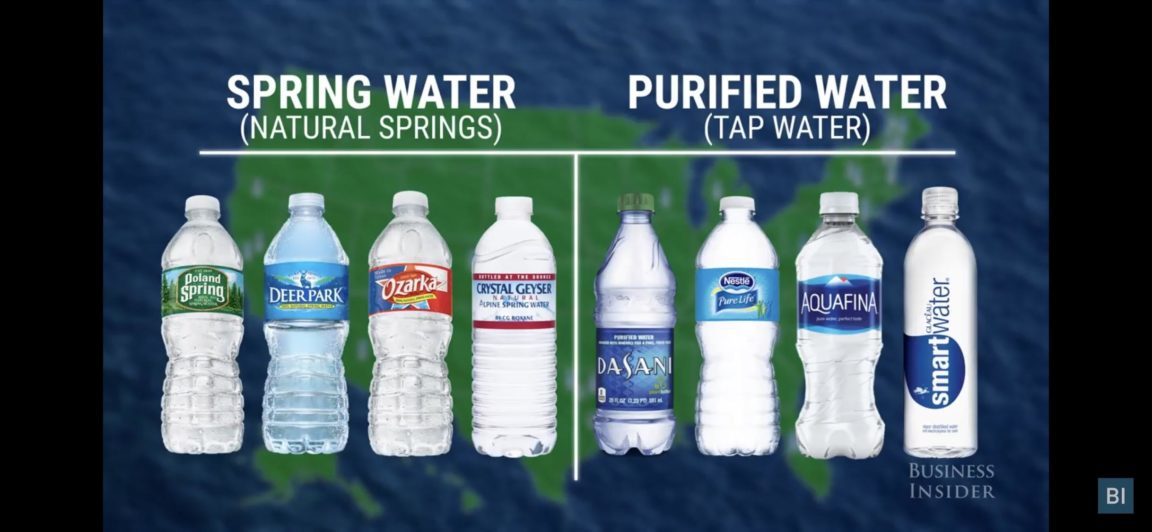
Picture this: you’re parched after a long walk. You grab a sleek plastic bottle of water, twist off the cap, and take a long, cool gulp. But have you ever paused, mid-swig, and wondered: where did this water actually come from? I’m not talking about the store shelf or that little truck. I’m talking about its origin story—the watery equivalent of a superhero’s secret birth place.
Spoiler alert: it’s not always a pristine mountain spring with dancing unicorns. Sometimes, it’s a tap in a factory parking lot. Yes, really. But let’s start with the good stuff first, because fancy bottled water loves to sell you a dream.
The “Glacier” Water That Never Saw a Glacier
You see a label with a picture of snow-capped peaks and a deer drinking from a crystal stream. You think, “Ah, this is nature’s finest, filtered by ancient ice.” Ha! That water probably started its life as rain—same rain that falls on your neighbor’s dirty car and that sad pigeon on the traffic light. The only difference is the marketing budget.
Must Read
Many “spring waters” come from actual springs, sure. Companies drill wells into underground aquifers, tap into natural pressure, and bottle it right there. But the U.S. Food and Drug Administration only requires that “spring water” come from an underground formation that flows naturally to the surface. If it gets pumped out of a hole 200 feet deep? Still counts. It’s like calling a basement apartment a “penthouse with garden views.”
And here’s the kicker: some brands that brag about “Alpine purity” are actually bottling water from springs in Florida. Nothing against Florida, but you’re not exactly drinking glacier melt—you’re drinking water that once passed by an alligator’s lunch.
The “Purified” Mystery: Tap Water’s Glow-Up
Now, let’s talk about the real chameleon of the bottle aisle: “purified water.” This stuff is often just municipal tap water that’s been through some intense spa treatments. Reverse osmosis, distillation, or ultraviolet light—think of it as sending your kitchen sink water to a fancy finishing school where it learns manners and learns to wear a bow tie.
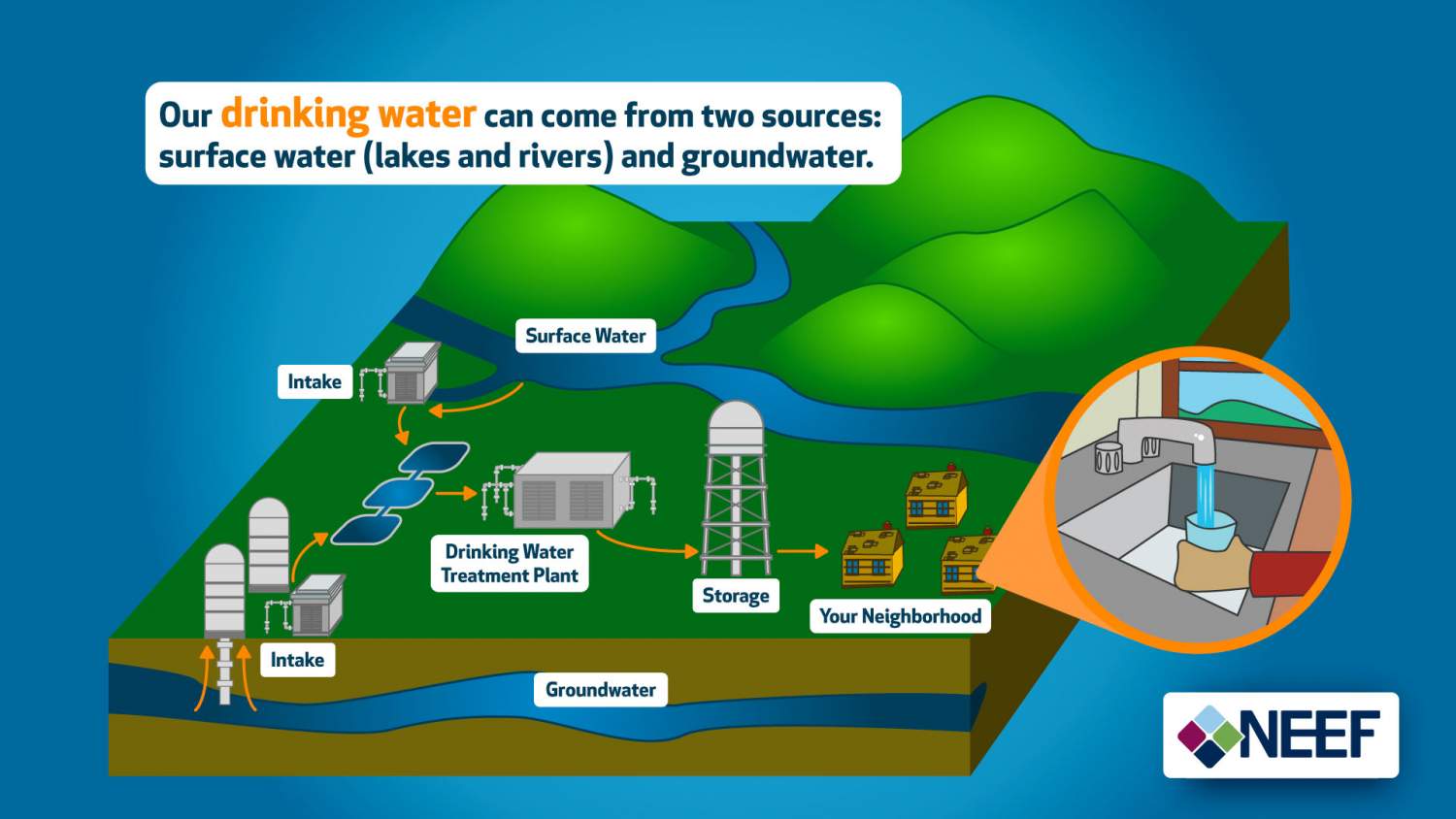 Diagram Of Why We Should Drink Water Importance Water Stock
A massive chunk of bottled water in the U.S.—up to 64% by some estimates—comes from public city supplies. That’s right: the same water that fills your toilet tank and your kettle might end up in a pretty bottle for three bucks. Pepsi’s Aquafina? Tap water. Coca-Cola’s Dasani? Tap water with added minerals for “crisp taste.” They basically add a pinch of salt and call it a miracle. It’s like putting a fedora on a pigeon and charging admission to see it.
Does that make it bad? Not really. It’s heavily filtered and tested. But you’re paying a thousand times more per gallon than what comes out of your faucet. Think about that next time you buy a case—that’s a thousand times the price for water that likely started in the same pipe system.
The Global Water Road Trip
But wait—there’s more! Some waters are imported from far-flung corners of the planet. Fiji Water comes from an artesian aquifer in Fiji. Evian rolls down from the French Alps. Icelandic Glacial comes from—you guessed it—Iceland. Transporting all that liquid halfway across the world burns fossil fuels like crazy. Each bottle of shipped water has a carbon footprint bigger than a Yeti at a picnic.
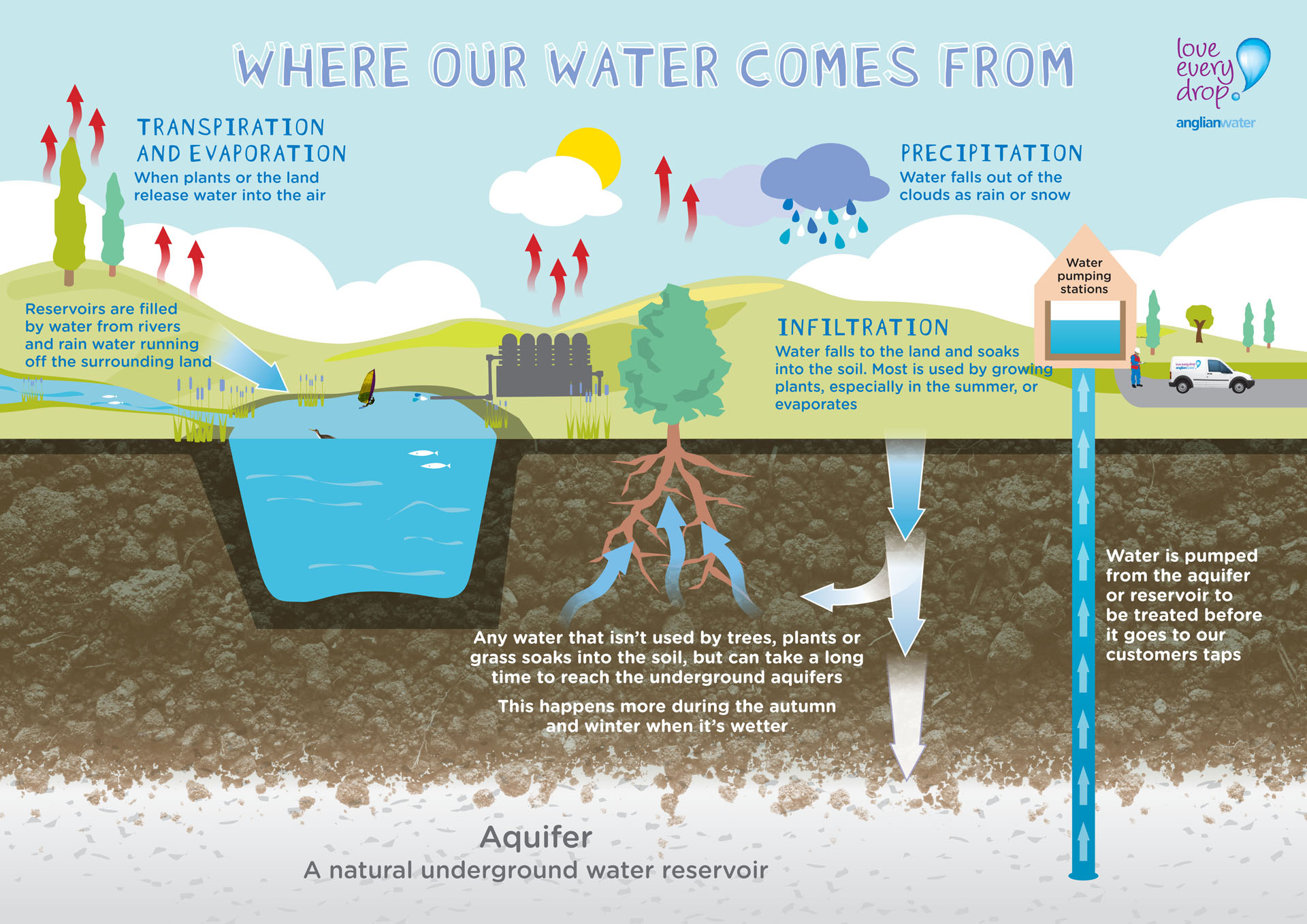 Where Our Water Comes From , Where Does Our Drinking Water Come From
Paradoxically, the water in those French bottles might have once been part of a Roman water supply or a medieval rainstorm. It’s got history. You’re sipping on molecules that could have splashed on Julius Caesar—or, less romantically, on a very confused mammoth. And because it’s sealed underground for centuries, it’s free from modern pollutants like microplastics... except the ones from the plastic bottle itself. Oof.
The Big Takeaway (Drink It With a Wink)
So, where does your bottled water come from? It’s a three-way answer: from a spring, from a tap, or from a distant country’s underground lake. And honestly, most of the time, it’s just tap water with a better publicist. The joke is on us—we pay exorbitant prices for something that’s free at home, packaged in plastic that’ll outlive our grandkids.
Don’t get me wrong: bottled water is a lifesaver during hurricanes or long hikes. But when you’re casually buying a case for your desk? You’re basically paying for convenience and clever lies. Next time you reach for that bottle, read the label. Look for the source—if it says “public water,” just refill a reusable bottle from the sink. Save your cash for coffee. Or a unicorn. At least the unicorn might actually exist.
And remember: the most expensive water on Earth? It comes from a spring in Los Angeles—sold for $60 a bottle with gold flakes. That’s not water. That’s a cry for help. Stay hydrated, stay skeptical, and never trust a bottle that looks too smug.
