What Is The Cost Of Reverse Osmosis Water System

Hey, let’s talk about water. Not just any water, but the fancy, squeaky-clean stuff that makes your ice cubes look like little diamonds. I’m talking about a reverse osmosis sy...
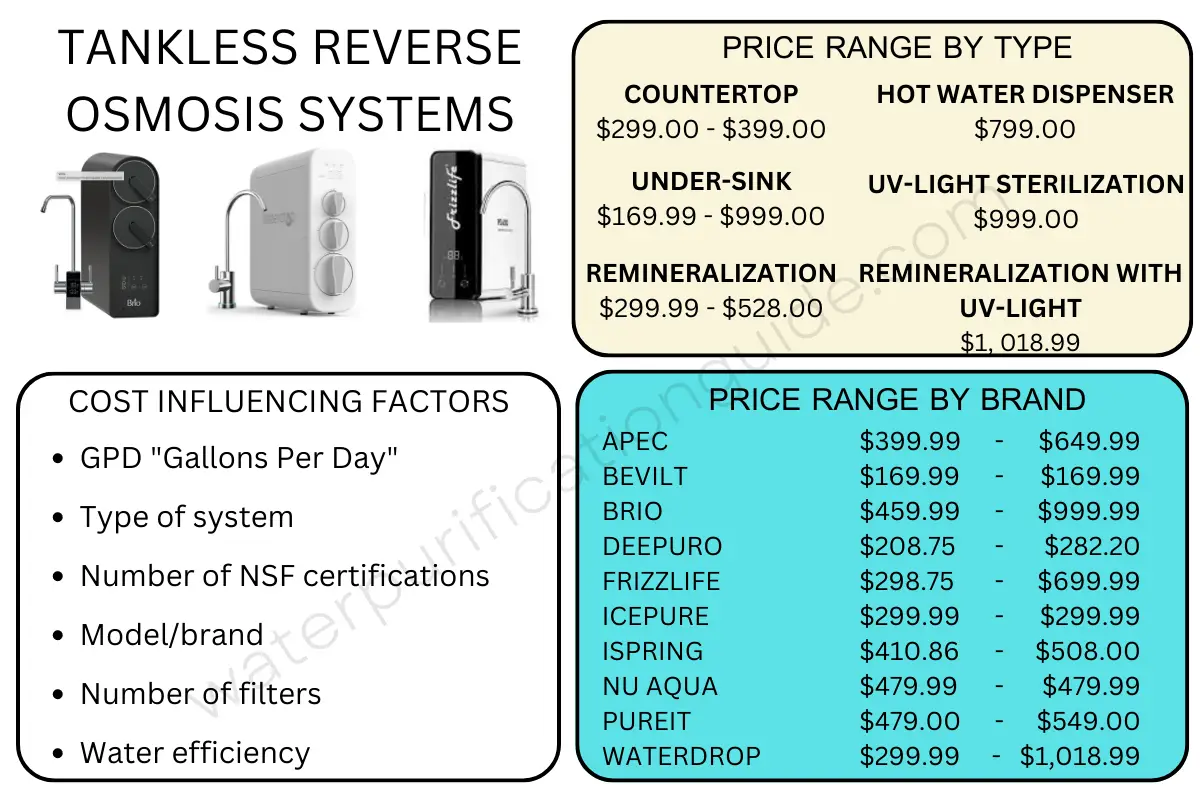
Hey, let’s talk about water. Not just any water, but the fancy, squeaky-clean stuff that makes your ice cubes look like little diamonds. I’m talking about a reverse osmosis system. You’ve probably seen one under a sink, looking like a sci-fi experiment gone wrong. So, what’s the actual cost? Grab your mug, and let’s dive in.
The Sticker Shock: Upfront Costs
Okay, let’s rip the band-aid off. A decent under-sink reverse osmosis system will set you back anywhere from $150 to $600. Yeah, that’s not pocket change. But hold on—before you panic, remember that fancy bottled water costs a fortune over time. The cheaper models? They’ll work, but they might leak or clog faster than you can say “H2O.”
You want the whole house filtered? That’s a different beast. A whole-house RO system can cost $2,000 to $5,000 or more. Why so much? Because it’s basically a water treatment plant in your basement. It filters everything—showers, toilets, your dog’s bowl. Fancy, but your wallet will cry a little.
Must Read
Then there’s the installation. If you’re handy, you can do it yourself and save maybe $150 to $300. But if you’re like me and your toolbox is just a hammer you’ve never used, hire a plumber. That adds another $100 to $400 to the bill. Ouch.
The Hidden Fees Nobody Talks About
So you bought the system. Congrats! But wait—there’s more. Filters don’t last forever, my friend. A typical RO system has three to five filters that need swapping every six months to a year. A pack of replacement filters costs about $50 to $150 annually. It’s like a subscription to clean water, but without the annoying Netflix emails.
And the membrane? That’s the heart of the system. It lasts two to five years and costs $50 to $200 to replace. Think of it as the engine of your water car. You can cheap out, but then you’ll drink… well, less pure water. Your call.
Don’t forget the wastewater. Yes, RO systems waste water. For every gallon of filtered water, they dump 3 to 5 gallons down the drain. If you live in a place with high water bills, that adds up. A family of four might see an extra $10 to $30 per month on their bill. Not a dealbreaker, but annoying.
 How Much Does a Reverse Osmosis System Cost? (2026)
The “Is It Worth It” Chat
Let’s be real for a second. Why do you want reverse osmosis? Is your tap water tasting like a swimming pool? Are you tired of buying plastic bottles? Then yes, the cost is a bargain. You’ll save about $300 to $600 a year if you stop buying bottled water. Plus, no guilt trips about the planet.
But if your water is already pretty good? Maybe save your cash. A basic carbon filter or a faucet mount does the job for $20 to $50. It won’t remove everything, but it’s better than drinking from a garden hose. And your bank account will high-five you.
Here’s the kicker: RO systems last a long time. A well-maintained unit can run for 10 to 15 years. Spread that cost out over a decade, and you’re paying pennies per gallon. Literally $0.01 to $0.05 per gallon. Compare that to a $1.50 bottle of water at the airport. Yeah, you do the math.
Cheap vs. Expensive: What’s the Difference?
I tried a $150 system once. It worked, but it was slow—like watching paint dry. And the plastic fittings felt like they’d snap if I sneezed. The $400 system I have now? It’s got brass fittings, a faucet that doesn’t wobble, and it fills a glass in seconds. Moral of the story: sometimes you get what you pay for.
 How Much Does a Reverse Osmosis System Cost in 2026?
Expensive systems also have extra stages. Some add a remineralization cartridge or a UV light to kill bacteria. Those cost more, but you feel like a water sommelier. “Ah, notes of zero contaminants, with a crisp finish.” Worth it? If you’re a snob, yes.
Don’t forget the countertop models. These are cheaper, around $100 to $300, and you don’t need to drill holes. But they take up counter space and look like alien technology. Your call—but I find them clunky.
The Final Gulp
So, what’s the total cost? Let’s ballpark it. First year: $300 to $800 for a good system and install. Every year after: $100 to $200 for filters and water waste. Over five years, you’re looking at $700 to $1,800. That’s a lot of money for water. But is it more than you’d spend on coffee-flavored tap?
Here’s my honest advice: don’t buy one if you’re broke. But if you’re tired of plastic and love crisp-tasting H2O, go for it. Start with a mid-range model—like a $250 one from a reputable brand. And maybe buy a water testing kit first to see if you even need it. Because let’s be real: paying $600 to filter water that’s already clean is like buying a gold toilet. It works, but it’s silly.
Alright, go drink some water. And maybe pet your RO system. It’s working hard for you. Just don’t tell it you’re considering a Brita.
