What Is The Reddish Brown Substance In The Water

You’re hiking a trail, you spot a stream, and you think—ah, refreshing! But wait… the water is a weird, rusty reddish-brown. Is it pollution? A toxic spill? Or maybe something...

You’re hiking a trail, you spot a stream, and you think—ah, refreshing! But wait… the water is a weird, rusty reddish-brown. Is it pollution? A toxic spill? Or maybe something far more interesting than you’d expect?
Let’s be real: seeing murky, tannin-stained water can feel a little alarming at first. But that reddish-brown tint isn’t always bad news—it’s often a sign of nature doing its thing, quietly brewing a fascinating chemical cocktail you can actually see.
So, what exactly is that rusty stuff?
The most common culprit is iron—specifically, oxidized iron, similar to what makes a discarded nail turn orange and crumbly. When groundwater seeps through rocks rich in iron minerals, it picks up dissolved iron like a thirsty sponge.
Must Read
Once that iron-rich water hits the open air, it meets oxygen. And just like a car fender left in the rain, the iron “rusts,” turning the water into a milky, reddish-brown soup. It’s basically a slow-motion chemical reaction you can drink in with your eyes—though I wouldn’t recommend gulping it down without filtering first.
But wait—what about that “tea” you see in swamps?
Ah, good question! That darker, almost cola-colored water in bogs and swamps isn’t rust at all—it’s tannins. These are the same natural compounds that give black tea its deep hue, leached from decaying leaves, bark, and roots over centuries.
Fun comparison: Think of a swamp as a giant, slow-brewing teapot full of plant leftovers. The tannins act like a natural sunscreen for underwater plants, blocking harmful UV rays while giving the water that moody, mysterious vibe. It’s not gross—it’s ancient plant magic floating in plain sight.
Why should you care about this colorful water?
Because that reddish-brown tint tells a story about the land around you. Iron-rich water often comes from deep underground aquifers, meaning you’re tasting (or at least seeing) geology in action—water that’s been traveling through mineral layers for decades or even centuries.
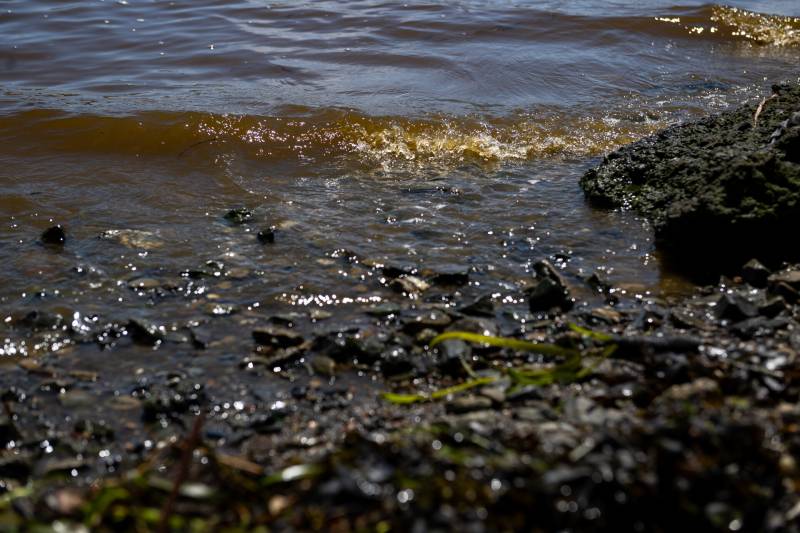 Algal Blooms and Swimming Safety in the Bay Area | KQED
Tannin-stained water, on the other hand, says: “Hey, this place is packed with organic life!” That dark color is a buffet sign for microscopic creatures, insects, and even fish that thrive in acidic, low-light conditions. It’s like a secret handshake between the forest and the water—a signature of a healthy, ancient ecosystem.
Is it safe to swim in? Or drink?
Short answer: usually, yes for swimming, but no for chugging straight. The rusty iron water is generally harmless to splash around in—think of it as a natural mineral bath, though it can stain your swimsuit a bit. The tannin water is also safe for a dip, though it might feel like swimming in iced tea.
But drinking untreated red water? That’s a no-go. The iron can taste metallic and upset your stomach, while tannins are astringent—imagine chewing on a dry tea bag. Plus, bacteria and other critters can hitch a ride in any natural water source. Always filter or boil if you’re thirsty.
The coolest part? It’s not just on Earth.
Here’s the mind-bender: scientists have found rusty red deposits on Mars. The Red Planet’s famous color comes from iron oxide—literally, the same stuff that turns your local creek that shade of reddish-brown. So when you see that rusty water on a hike, you’re actually looking at a planetary connection to a world millions of miles away.
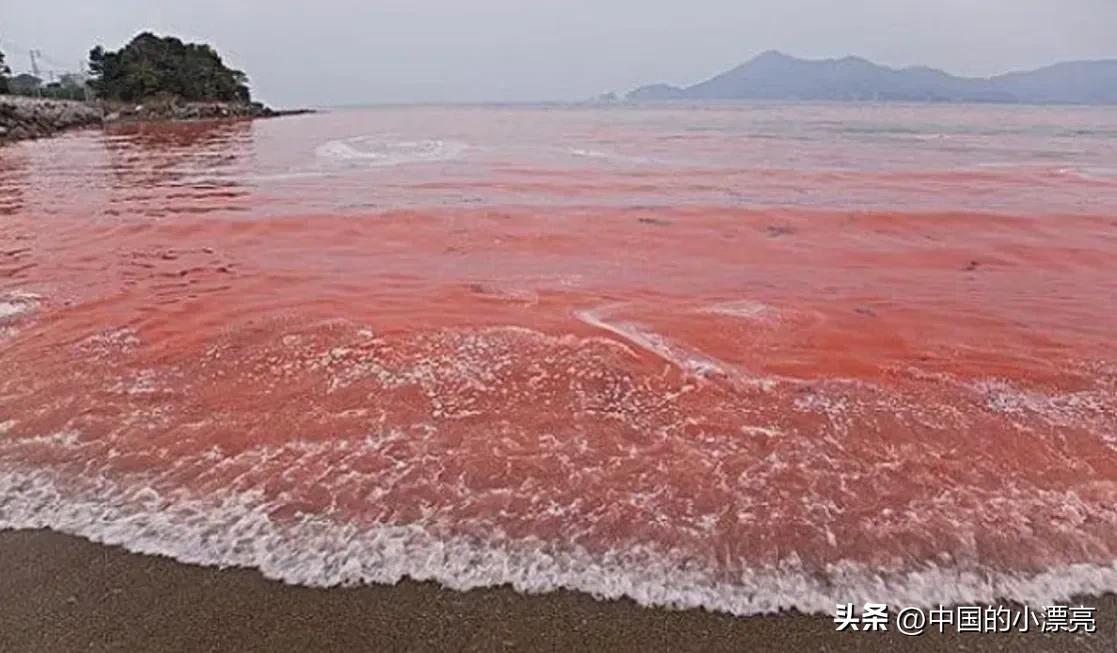 Why is sea water red?Do you know the secret in it? - iNEWS
Fun thought: next time you’re near a tannin-stained swamp, you’re basically staring into a real-life version of the “primordial soup” some scientists believe sparked life on Earth. It’s humble, it’s muddy, and it’s weirdly beautiful.
How to tell iron from tannins in a glance?
Simple: Iron water looks like rusty milk—cloudy, with an orange-brown hue that settles as a film on rocks and plants. Tannin water is more like iced tea—clearer, darker, and it stains your hands like a bad dye job if you touch it.
Next time you’re out, take a second to look at that reddish-brown puddle or stream. Don’t wrinkle your nose—ask yourself: is this ancient iron telling me about the rocks beneath my feet, or is it decaying leaves brewing a forest tea? That shift in perspective turns a simple color into a tiny, beautiful mystery you can solve with your eyes.
So go ahead, be that curious person kneeling by the water. Nature’s rusty art is free, and it’s happening right now—waiting for someone to wonder why it looks like a giant’s forgotten cup of coffee.
