Does Reverse Osmosis Remove Chlorine From Water

Picture this: you’re filling a glass from the tap, the faint scent of a swimming pool wafting up. That’s chlorine, the uninvited guest at your water’s party. But before you re...

Picture this: you’re filling a glass from the tap, the faint scent of a swimming pool wafting up. That’s chlorine, the uninvited guest at your water’s party. But before you reach for a fancy filter, let’s cut to the chase: does reverse osmosis actually kick chlorine to the curb? Spoiler alert: yes, but with a plot twist.
The Chemistry of Your Morning Sip
Chlorine gets added to municipal water for a noble reason—killing bacteria and viruses. It’s like a tiny, invisible bodyguard for your tap. But the taste? Let’s just say it’s not winning any Michelin stars. Reverse osmosis (RO) is a multi-stage filtration system that uses a semi-permeable membrane to trap impurities. And yes, chlorine is one of those impurities—but it’s almost never removed by the membrane alone.
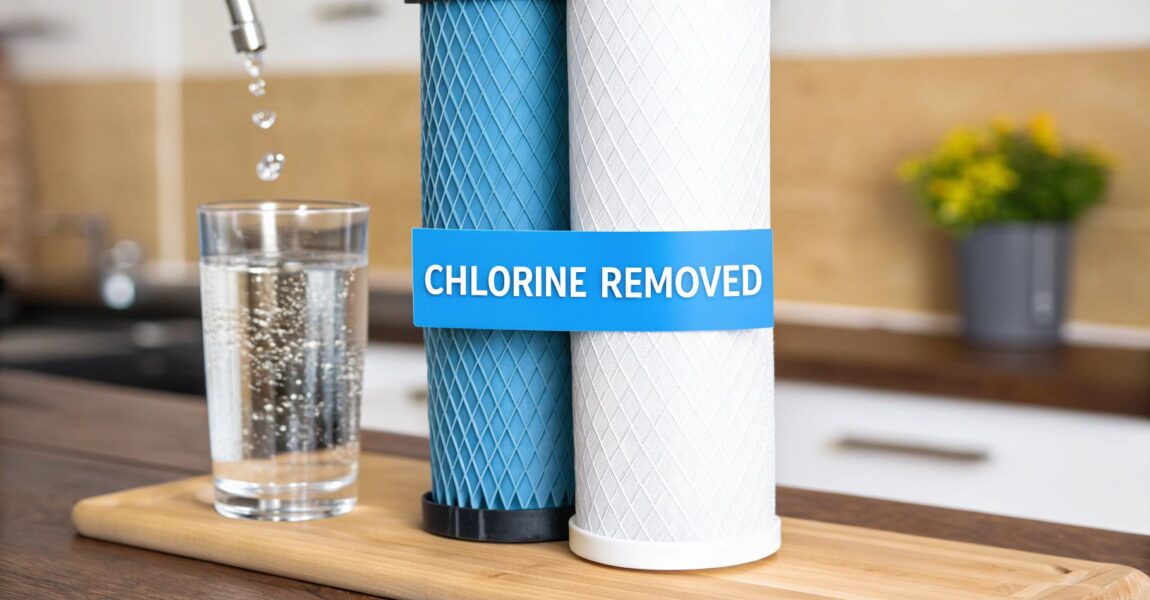
Here’s the fun fact: RO membranes are made of thin-film composite polymer, and they’re sensitive little things. Chlorine can actually damage them over time, like bleach on a silk shirt. So manufacturers add a pre-filter—usually activated carbon—to neutralize chlorine before it hits the membrane. That carbon filter is the real hero here; it grabs chlorine molecules through adsorption, a fancy term for “sticks like glue.”
Must Read
The RO Process: A Mini Water Drama
Think of reverse osmosis as a very picky bouncer at an exclusive club. Water molecules are the VIPs, and contaminants like chlorine are the gatecrashers. The pre-filter acts as the first line of defense, chemically bonding with chlorine to neutralize it. After that, the water passes through the RO membrane, which blocks remaining contaminants like heavy metals and fluoride.
But here’s the kicker: if your RO system lacks that carbon pre-filter, chlorine will slip through and degrade the membrane. Most residential RO units include it, but always double-check the product specs. A quick tip: look for “chlorine reduction” or “activated carbon stage” on the box. It’s like checking for airbags before buying a car.
Practical Tip: Test Your Water Before You Invest
Don’t just assume your tap is a chemical soup. Grab a simple chlorine test strip from a hardware store (they cost about $10). Dip it in, wait a minute, and you’ll see if levels are high. If they are, an RO system with a carbon pre-filter will give you 99% chlorine removal. Without that step, you’re basically running a very expensive spa for bacteria.
Cultural References: The Water Cure
Remember that scene in “The Big Lebowski” where The Dude demands a fresh pitcher of water for his White Russian? He’d be a perfect RO evangelist. Or think about aquafaba—the chickpea water that vegans use for meringues—chlorine-free water makes it whip up fluffier. Even Julia Child insisted on filtered water for her coq au vin; chlorine can kill the yeast in your bread or dull your wine’s flavor.
 Does Reverse Osmosis Remove Chlorine?
Fun fact: In Tokyo, some high-end sushi chefs use RO water to wash rice, believing it lets the natural sweetness of the grain shine. Meanwhile, in Portland, hipster cafes boast about their “triple-filtered RO” pour-overs. Chlorine removal isn’t just about health—it’s about respect for ingredients.
The Downside: What RO Doesn’t Do
RO systems are water hogs—they waste about 3–4 gallons of water for every gallon they produce. That’s like ordering a latte and tossing out three cups of brew. If you’re eco-conscious, consider a “zero-waste” RO system that recirculates the reject water for gardening. Also, RO strips out beneficial minerals like calcium and magnesium, which give water that crisp, natural taste. You can add a remineralization filter to get them back, or just rely on food sources.
And here’s a lighthearted reality: if your main concern is chlorine taste, a simple $30 activated carbon pitcher (like Brita) does the job for 90% of people. RO is overkill for chlorine alone—it’s best if you also want to remove lead, arsenic, or PFAS.
Fun Fact: The 1950s Chlorine Cocktail
Back in the day, water utilities added so much chlorine that people complained their drinks smelled like a YMCA pool. In 1974, scientists discovered that chlorine reacts with organic matter to form trihalomethanes (THMs), which are potential carcinogens. RO’s carbon pre-filter catches these byproducts too. So you’re not just removing the bodyguard—you’re taking out the shady friends they bring along.
 Does Reverse Osmosis Remove Chlorine From Your Water?
Practical Tips for Everyday Life
If you decide on RO, install it under the sink for convenience. Use a dedicated faucet (often sold separately) so you’re not wasting filtered water on dishwashing. Change the pre-filter every 6–12 months—a clogged one lets chlorine through. And here’s a trick: if you travel, pack a portable water bottle with a built-in carbon filter for hotel tap water. It’s like a baby RO system for your backpack.
For the budget-conscious: a countertop RO unit costs around $150–$300, while a whole-house system can hit $1,000+. But if you’re only fighting chlorine, a carbon pitcher or faucet-mounted filter is your best bet. Remember: the best water filter is the one you’ll actually use.
Reflection: The Water We Choose
In a world of endless options—from fancy bottled brands to viral hydration hacks—RO water reminds us of something simple. Every sip is a small act of curation. You’re choosing clarity, taste, and a touch of intention. Whether you’re brewing a morning coffee, mixing a cocktail, or just hydrating after a run, the absence of chlorine makes the mundane feel luxurious. And isn’t that what daily life is all about? Finding joy in the hidden details, one filtered glass at a time.
So go ahead: pour yourself a glass. Breathe in the nothingness. That’s the sound of chemistry doing its job, and you being just a little bit smarter about it. Cheers.
