How Long Does It Take For Chlorine To Dissipate

So picture this: it’s a scorching Saturday afternoon, and I’m finally floating in my neighbor’s pool, sipping something vaguely fruity. I’m feeling like a golden-age movie sta...
So picture this: it’s a scorching Saturday afternoon, and I’m finally floating in my neighbor’s pool, sipping something vaguely fruity. I’m feeling like a golden-age movie star—until I surface, and my eyes are stinging like I just chopped a bushel of onions.
That’s when it hits me (literally): chlorine. You know the drill—that sharp, chemical smell that clings to your skin and makes you wonder if you’re slowly bleaching your DNA. But here’s the real question, the one that haunts every post-swim shower: when does this stuff finally leave?
The Short Answer (Because We’re All Impatient)
First off, let’s kill the suspense. Chlorine dissipates—or breaks down—in roughly 2 to 24 hours in a typical pool or water system, depending on a bunch of sneaky factors. But don’t pop the cork on that relief just yet.
Must Read
The full story is messier, funnier, and involves a lot of sunshine and stupid human tricks. I’m talking to you, the person who just poured bleach down the drain and wondered if it’s safe to drink tap water tomorrow. Spoiler: it’s not that simple.
Why Chlorine Doesn’t Just “Go Away”
Here’s the nerdy bit, served without the lab coat. Chlorine in water exists as either free chlorine (the active, sanitizing stuff) or combined chlorine (the sleepy, eye-burning version). Free chlorine dissipates fast—like, hours fast—if you give it a little help. Combined chlorine? That’s the stubborn guest who won’t leave the party.
You need UV light from the sun to break it down, or you wait it out. And waiting is boring. Ever left a glass of tap water out overnight? Most of that chlorine smell is gone by morning. But your pool? That’s a different beast entirely.
The Factor Game: Sun, Temperature, and Your Dumb Luck
Think of chlorine dissipation like trying to dry a wet towel in a blizzard. UV light is your best friend. On a sunny day, half the free chlorine in a pool can vanish in two to four hours. Cloudy skies? You’re looking at eight to ten hours, minimum.
Temperature matters too, because chlorine is a drama queen. Hot water speeds up chemical reactions, so a summer pool breaks down chlorine faster than a frigid one. And if you’ve got organic matter—like leaves, sunscreen, or, uh, pee—that chlorine is too busy fighting germs to stick around. It gets “used up,” which is fancy chemistry for “sorry, I’m exhausted.”
 Does Chlorine to Dissipate in Tap Water Go Away?
And here’s the ironic twist: the more you swim, the faster it dissipates. Your sweaty, sunscreen-drenched body literally eats chlorine for breakfast. Eat that, science.
Okay, But What About My Drinking Water?
Ah, the classic paranoia move. You filled a pitcher from the tap, noticed a faint bleachy smell, and now you’re staging an intervention. Relax. Municipal water typically has 0.5 to 4 parts per million of chlorine. Leave it in the fridge for 24 hours, and most of it will evaporate. No need to boil it like you’re in a survival movie.
Pro tip: stirring or aerating the water speeds it up. Pour it between two glasses a few times, and you’ll knock out that chlorine in under an hour. It’s like giving the gas an exit ramp. You’re welcome.
The Time It Actually Takes: A Cheat Sheet
Let’s be real—you’re here for numbers, not philosophy. For a standard backyard pool: free chlorine drops by half every 2 to 4 hours in sunlight. Full dissipation takes 8 to 24 hours, depending on temperature and bather load. Translation: you can swim tomorrow, but tonight’s a no-go.
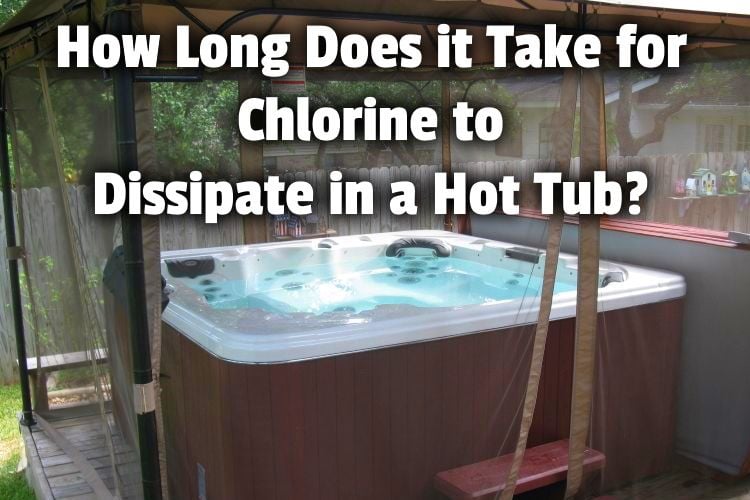
For tap water in a glass: 24 hours for total disappearance, but 95% is gone in the first 3 to 4 hours if the glass is uncovered. For a hot tub: faster because heat and turbulence—think 30 to 60 minutes for free chlorine to fall to safe levels. But hot tubs often use bromine, which is a whole other circus.
 PPT - Chlorine Chemistry PowerPoint Presentation, free download - ID
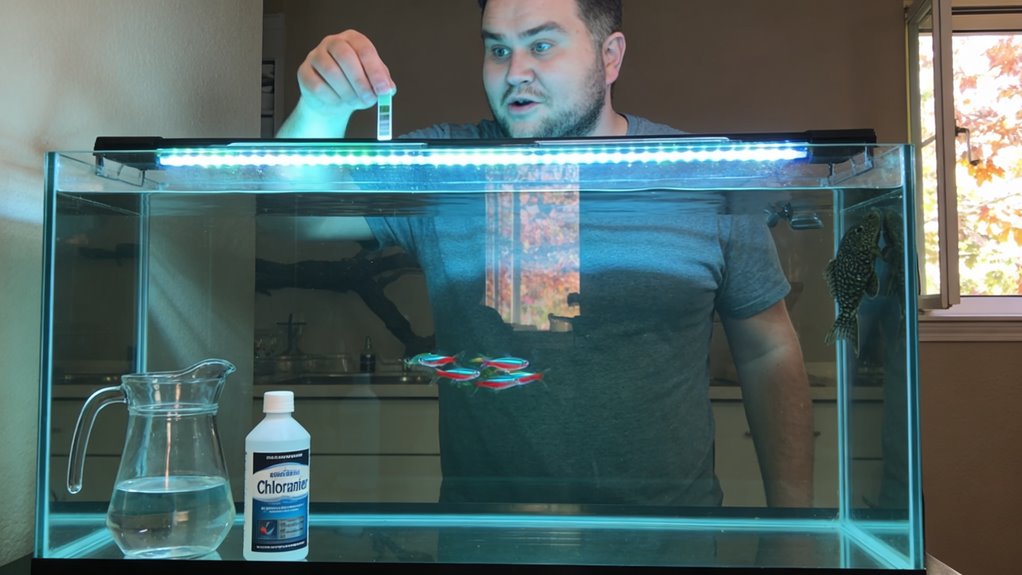
And for your fish tank (yes, I see you, aquarium enthusiast): don’t trust time alone. Chlorine kills fish. Use a dechlorinator or let water sit for 24 to 48 hours. You’ve been warned.
The “Smell Test” Trap
Here’s a common lie your nose tells you. That strong chlorine smell at the pool? It’s not chlorine—it’s chloramines, the biological waste byproduct I mentioned earlier. Your eyes sting because of that, not the sanitizer itself. So if your pool reeks of chlorine, it’s actually low on active chlorine. Irony, baby.
Bottom line: dissipation time is a suggestion, not a rule. Test kits are cheap, and guessing is for parking spots, not chemistry. Unless you’re trying to recreate a chemical spill in your bathtub for fun, just give it a day.
Final Thoughts: Patience or a Chem Kit?
Look, I get it—you want to swim now, not after some tedious waiting game. But chlorine is like that friend who needs a lot of sunlight and a little chaos to calm down. Let the sun work, stir the water if you can, and stop sniffing your tap like a suspicious cat.
Most of the time, 24 hours is your golden window. For a pool, maybe half that on a blazing July day. But if you’re truly paranoid? Buy a pool test strip. They’re dirt cheap, and they’ll save you from accidentally swimming in a science experiment. Now go enjoy that water—minus the stinging eyes.
