Where Does Most Of Our Drinking Water Come From

So, you just turned on the tap. Again. And out came crystal-clear, life-giving water. Magic? Nope. It’s a wild, mostly invisible journey. Where does it all start? Let’s spill...
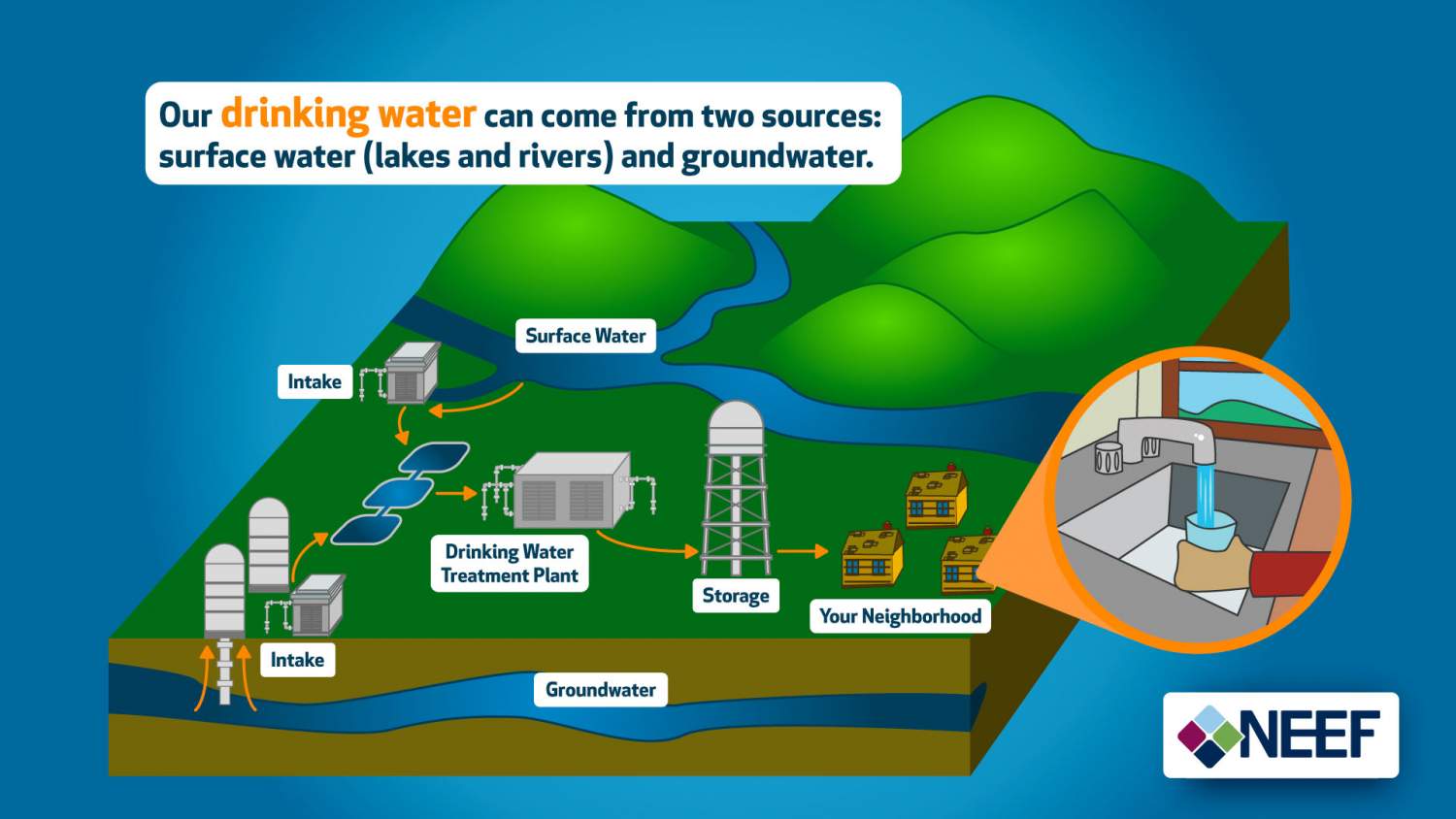
So, you just turned on the tap. Again. And out came crystal-clear, life-giving water. Magic? Nope. It’s a wild, mostly invisible journey.
Where does it all start? Let’s spill the (water) tea. Most of it comes from two big sources.
Groundwater: The Hidden Underground Lake
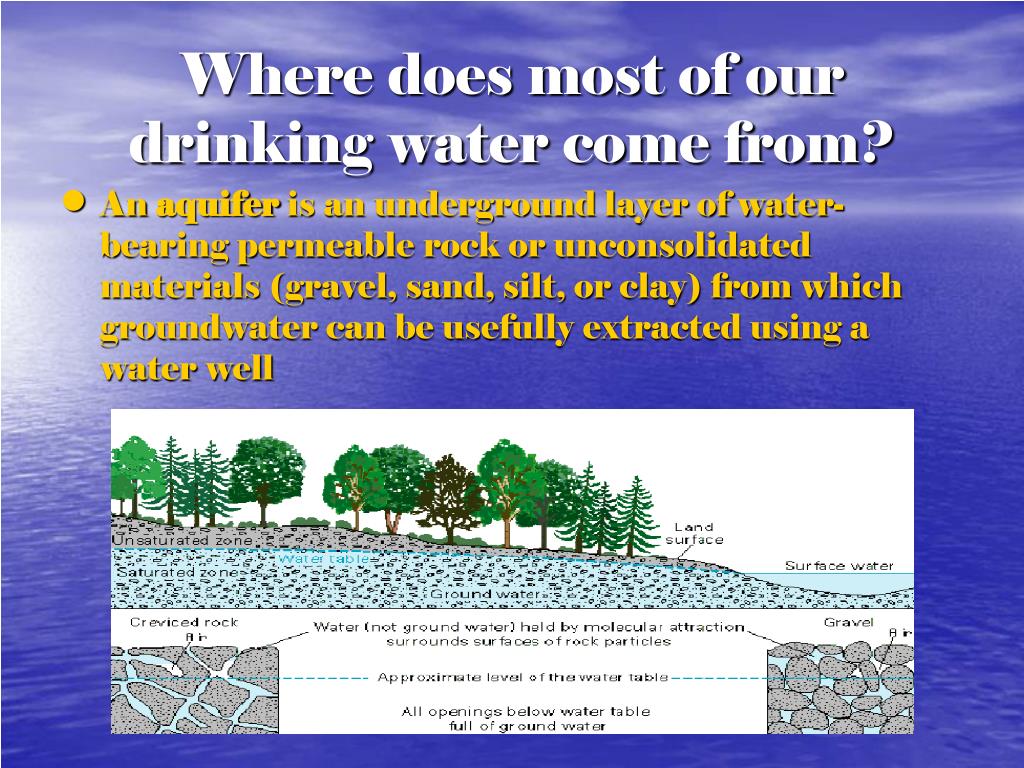
Picture a secret ocean under your feet. That’s groundwater, chilling out in cracks and pores of rock and soil. It’s basically a giant, natural storage tank.
Must Read
Half of the U.S. population relies on this stuff for their daily glass. It’s especially huge for folks in rural areas, pulling it up through wells. Think of it as the ultimate savings account—ancient, slow, and pure.
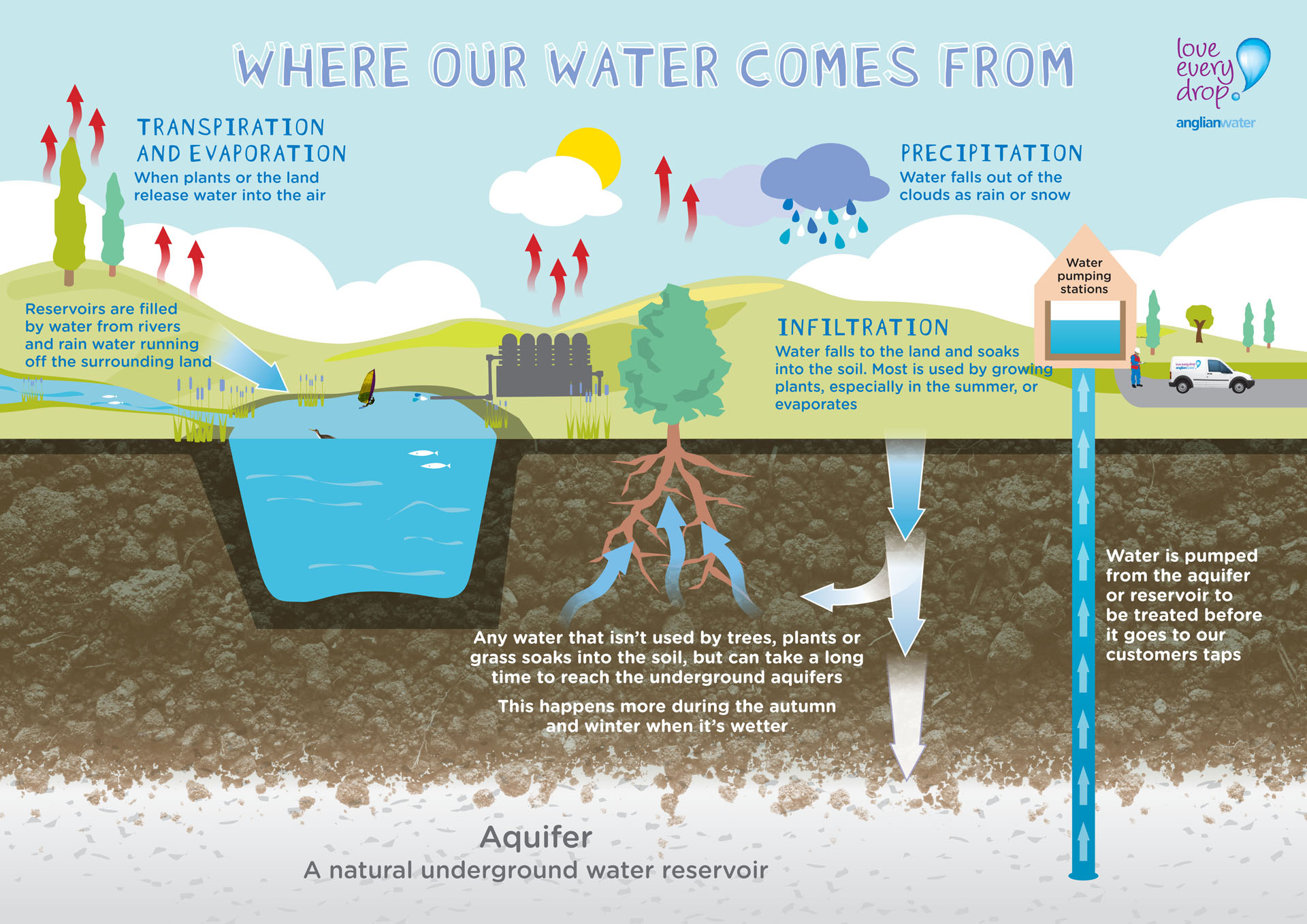
But it’s not just sitting there doing nothing. Rain and snow slowly percolate down to refill it. It’s a super slow-motion drip, but it gets the job done.
The Cool Part? It Self-Cleans (Sort Of)
As water filters through layers of sand and gravel, it acts like a Brita filter. Dirt, bacteria, and yucky stuff get stuck. Nature’s own purification system.
That’s why well water often tastes so crisp. It’s been on a spa retreat for decades. No judgment if you’re jealous of a rock.
Surface Water: Lakes, Rivers, and Reservoirs
Now, look up. See that river or lake? That’s the other big player. Most city folks get their tap water from these open-air sources.
About 70% of the world’s freshwater hangs out here, but it’s not ready to drink yet. It’s got fish, leaves, and a little bit of everything else. Ew, right?
That’s where treatment plants come in. They’re basically the bouncers of the water world. They kick out the dirt and germs before it hits your glass.
 PPT - WHAT IS THE VALUE OF WATER? PowerPoint Presentation, free
The Human-Made Helper: Reservoirs
Ever notice a big, flat lake near a city? That’s a reservoir. We create them by damming rivers. It’s like building a giant rain barrel for a whole city.
Reservoirs are genius. They store water from wet seasons so you don’t go thirsty in a drought. But they need constant love—algae blooms are a real party pooper.
So, who wins? Groundwater or surface water? Neither. You need both for a balanced drink. It’s like peanut butter and jelly.
But Wait—Where Did That Rain Come From?
Okay, this is where it gets tiny and hilarious. The ultimate source of everything is actually the sky. Rain and snow feed both lakes and underground aquifers.
And that rain? It came from the ocean. The sun heats the sea, water vapor rises, forms clouds, and boom—it falls on a mountain. Then it runs down into a river or soaks into the ground.
You are basically drinking ancient dinosaur sweat. No, really. The water on Earth has been cycling for billions of years. Cheers to that, T-Rex.
The Shocking Twist: It’s All Recycled
Here’s the kicker. There is no “new” water. We have the exact same amount of water as when dinosaurs roamed. You’re sharing a sip with a Brachiosaurus.
Every drop you drink has been through a fish, a cloud, a glacier, and maybe a garden hose. It’s the ultimate recycling program. Reduce, reuse, rehydrate.
 Where Our Water Comes From , Where Does Our Drinking Water Come From
So next time you fill your bottle, take a moment. You’re sipping history. Water from the last ice age is melting into your glass right now.
What About Bottled Water?
Oh, that’s mostly a marketing scam. A lot of bottled water is just tap water from another city. They just put it in a fancy bottle and charge you 400 times more.
Spring water is the real deal—it comes straight from an underground spring. But even that is just groundwater that bubbled up to the surface. Fancy, but not magical.
So, where does your drinking water come from? A river, a lake, a well, or a cloud. Pick your adventure.
Bottom Line: You’re Drinking Yesterday’s Storm
It’s simple, really. Turn on the tap, and you’re tapping into the planet’s memory. The same H2O that quenched a mammoth is now quenching your thirst.
How cool is that?
So stay hydrated, my friend. And maybe give a little thank you to the rain, the rocks, and the treatment plant workers who make it all possible. They’re the real heroes.
Now go drink some dinosaur juice. You’re welcome.
