Why Is It Important To Stay Hydrated When Sick

We’ve all been there: curled up on the couch, wrapped in a blanket, and feeling like a human cold compress. Your throat is scratchy, your head is pounding, and the only thing...
We’ve all been there: curled up on the couch, wrapped in a blanket, and feeling like a human cold compress. Your throat is scratchy, your head is pounding, and the only thing you want to do is press pause on life.
But before you reach for that third cup of coffee, let’s talk about the one thing that can actually turn the tide: water. Staying hydrated when you’re sick isn’t just a suggestion from your grandma—it’s biological warfare against the bugs invading your body.
Your Body is a Battlefield, and Water is the Cavalry
When you’re sick, your body is essentially throwing a fever to cook the virus alive. That process burns through fluids like a car running on empty.
Must Read
Think of your immune system as a tiny, hardworking army. Without enough water, that army has to march through a desert—it gets sluggish, confused, and loses the fight.
Dehydration thickens your blood and mucus, making it harder for white blood cells to patrol for invaders. A well-hydrated body, on the other hand, is like a fast-flowing river that flushes out toxins and keeps everything moving.
The Sneaky Symptoms You Miss
You know that gross, thick feeling in your chest? That’s dehydrated mucus—a traffic jam in your lungs. Drinking water thins it out, making coughs productive and breathing easier.
Ever notice how your skin looks dull and your eyes feel dry when you’re under the weather? That’s your body shouting for a refill. Hydration is the difference between a slow recovery and bouncing back in time for the weekend.
Even a 2% drop in body water can cause headaches, fatigue, and brain fog—exactly what you don’t need when you’re already fighting a bug.
Water: The Original Medicine, Now with Modern Swag
Forget the boring advice about eight glasses a day. When you’re sick, you need a strategy.
Start with the classics: warm lemon water with honey is basically the OG wellness elixir—think of it as nature’s ginger ale, minus the sugar crash. Herbal teas like chamomile or peppermint count as hydration, plus they soothe a sore throat and calm your nerves.
 Hydration During the Winter — Ellicottville Now
And here’s a pro tip: electrolytes are your best friend. That’s what makes sports drinks like Gatorade or coconut water so legendary. They replace the salts and potassium you lose from sweating or vomiting, keeping your cells electrically charged.
A Cultural Win: The Global Soup Theory
Almost every culture has a sick-day soup. Jewish matzo ball soup, Korean samgyetang, Mexican caldo de pollo—they’re all water delivery systems disguised as comfort food.
Broth is essentially liquid gold. It’s warm, salty, and packed with nutrients that hydrate and soothe. Eating soup counts toward your fluid intake, so spoon up without guilt.
Fun fact: a study showed that chicken soup actually reduces inflammation in the upper respiratory tract. That’s not just a feel-good story—it’s science with a spoon.
Practical Tips for the Modern Sickie
Let’s be real: when you feel awful, the last thing you want to do is chug a gallon of water. That’s why you need hydration hacks.
Set a timer on your phone to take a sip every five minutes. Even tiny amounts add up. Or use a cute, colorful water bottle that you actually like looking at—visual motivation works.
If plain water bores you, infuse it with cucumber, mint, or berries. It’s spa-grade hydration without the expensive price tag.
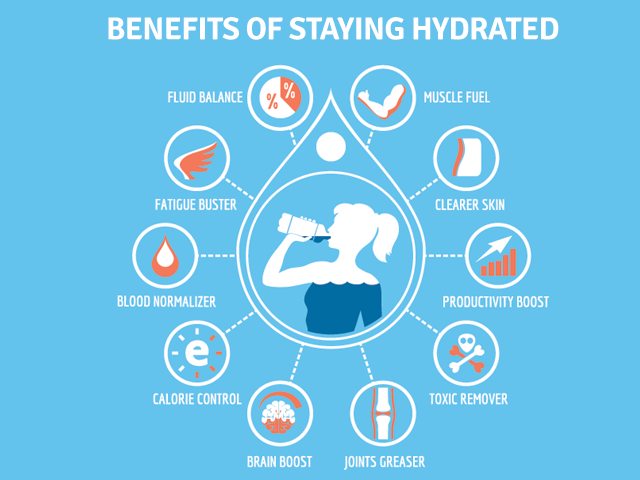
 Staying hydrated isn't just a routine—it's a lifestyle essential
Another trick: eat water-rich foods. Watermelon, oranges, cucumbers, and celery are basically edible hydration. Have some Jell-O? It counts, though watch the sugar—too much can mess with your immune response.
And for the love of all that is cozy, avoid alcohol and excessive caffeine. They are diuretics, meaning they pull water out of your cells. That glass of wine you’re craving? It’s a Trojan horse for dehydration.
The Fever Factor
Here’s where things get serious. A fever literally evaporates water from your skin. For every degree your temperature rises, you lose up to 10% more fluid.
That means if you’re clocking 101°F (38.3°C), you need to drink like you’re running a marathon on a hot day. Don’t wait until you feel thirsty—by then, you’re already dehydrated. Set a goal: one cup of fluid per hour.
Pedialyte or electrolyte tablets aren’t just for toddlers. They’re grown-up lifesavers that rehydrate faster than water alone.
A Short Reflection for Your Daily Life
Think about the last time you were sick. Did you reach for water first, or did you tough it out? Most of us treat hydration like a side quest, not the main mission.
But here’s the truth: staying hydrated when sick isn’t just about getting better faster—it’s about giving your body the respect it deserves. It’s a simple, powerful act of self-care that costs nothing and gives everything.
Next time you feel that scratchy throat or a sneeze coming, remember: you have a superhero inside you, and it drinks water. So pour yourself a glass, take a slow sip, and let the healing begin. Your future self—the one who’s already back on the couch, laughing with friends—will thank you.
