What Is A Safe Level Of Iron In Drinking Water

So, you’ve just filled a glass from the tap, and it tastes like you’re licking a rusty fence. Or worse, your pristine white sink now has a Jackson Pollock painting in orange....

So, you’ve just filled a glass from the tap, and it tastes like you’re licking a rusty fence. Or worse, your pristine white sink now has a Jackson Pollock painting in orange. Welcome to the weird, wonderful world of iron in your drinking water. Before you panic and start stockpiling bottled water, let’s get one thing straight: a little rust never hurt anyone—unless you’re a shirt you really like.
What is Iron Doing in My Water Anyway?
Iron is basically the most metal of metals, and it’s everywhere. It’s in the ground, and as rainwater trickles through soil and rock, it picks up iron like a toddler picking up stray Cheerios. It’s completely natural, and honestly, your body needs iron to transport oxygen in your blood. So, unless you’re secretly a robot, a little iron is a good thing.
But here’s the twist: your body can only handle so much red carpet treatment. Too much iron in your water won’t turn you into Wolverine, but it can turn your teeth orange and your laundry into a sad, rusty mess. The real question is: at what point does the “rusty charm” become a health hazard?
Must Read
The Official (and Boring) Number
According to the World Health Organization and various water authorities, the safe level for iron in drinking water is 0.3 milligrams per liter. That’s a number so tiny you could fit it on a flea’s driver’s license. Below that, your water is clear and tastes like, well, water. Above that, you start getting that “Victorian plumbing” vibe.
If your water has between 0.3 and 1.0 mg/L, don’t freak out. It’s still safe to drink, but your water will start looking like weak iced tea. Your clothes will start looking like you work in a coal mine. Your coffee will taste like a bad decision. But you won’t get sick—just embarrassed at brunch.
When Iron Gets Really, Really Pushy
Once you cross the 10 mg/L mark, you’ve entered the “rust monster” zone. At this level, your water can actually stain your teeth and give you a metallic taste that lingers for hours. It’s not poisonous, but your stomach might throw a tiny tantrum. You might experience some nausea or diarrhea—basically, your body saying, “Dude, what is this, a railroad?”
Here’s a surprising fact: you can die from drinking too much water (it’s called water intoxication), but you’d have to chug gallons of iron-infused sludge to get close to that. So unless you’re training for a competitive rusty-water-drinking contest, you’re fine.
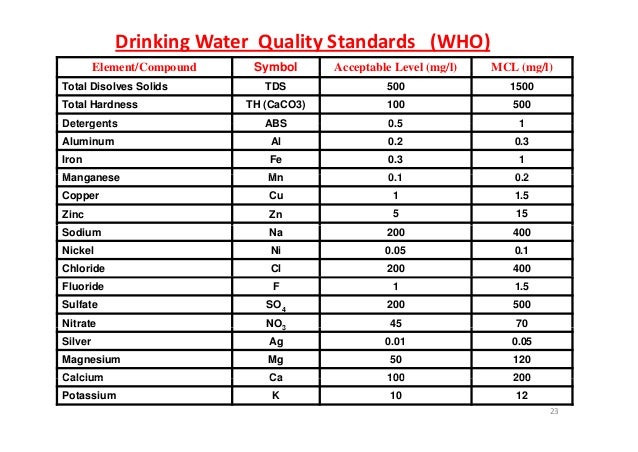 Water treatment-lecture-1-eenv
The Real Villain: Bacteria, Not Iron
Here’s the kicker: high iron levels are often a sign of something else going on. Iron loves to party with certain bacteria. These little jerks can turn your harmless orange water into a smelly, slimy biofilm that tastes like a swamp. The iron itself isn’t the problem—the bacteria that feed on it are the real party crashers.
If your water has a sulfur smell (like rotten eggs) along with the rust color, you’ve got iron bacteria. That’s not a health emergency, but it’s definitely a “call a plumber before your sense of smell gives up” situation. No one wants to shower in swamp gas.
How to Test for Iron Without Selling a Kidney
You don’t need a chemistry degree. Buy a home water test kit for about fifteen bucks. Fill a vial, add a powder, and watch it turn colors. If it looks like Gatorade, you’re okay. If it looks like Kool-Aid, you might want a filter. If it looks like the water from a Civil War cannon, congratulations—you have a new hobby.
Exaggeration alert: I once tested water from a friend’s well that had so much iron, the test strip turned brown and fell apart. We framed it. It now hangs in his garage as “modern art.” The point is: home tests are easy, fun, and slightly addictive.
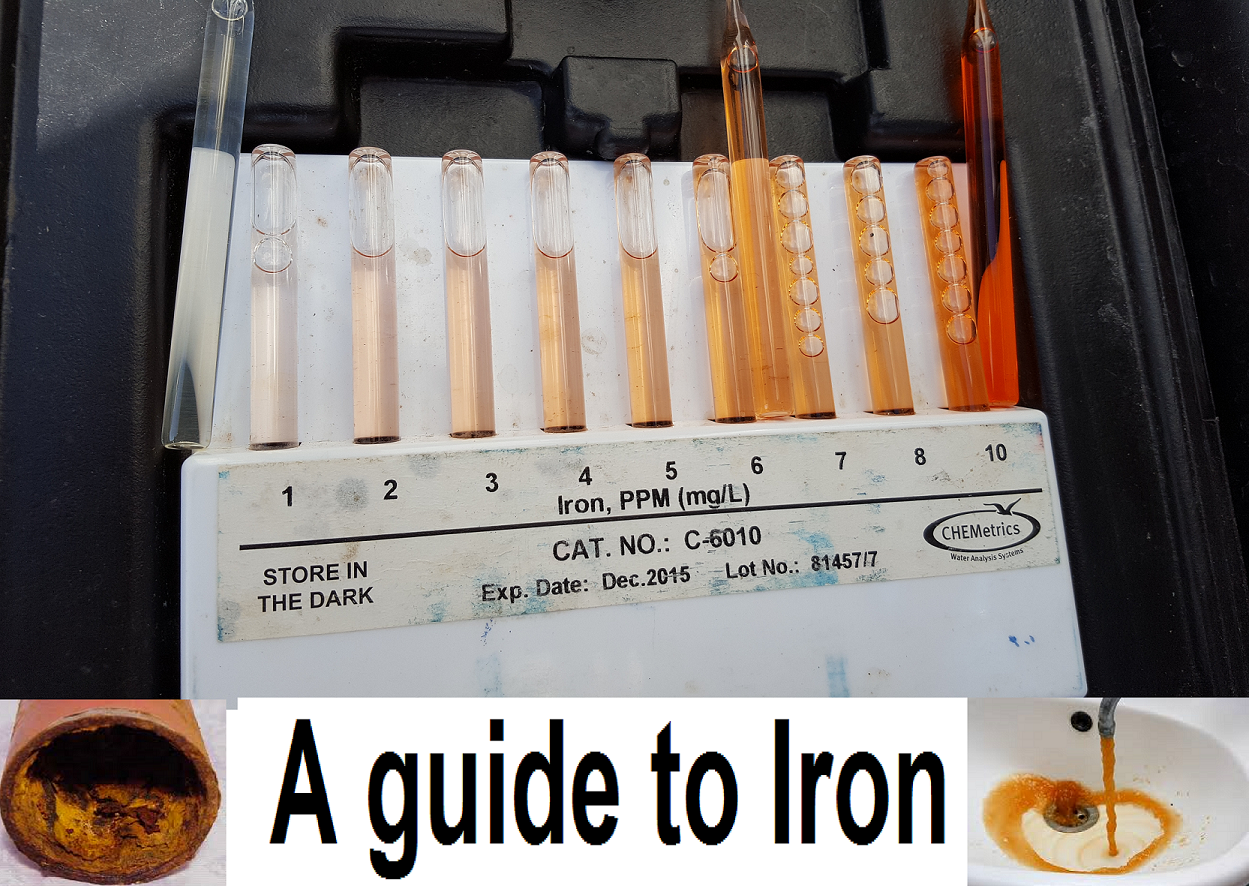 Guide to iron, there are different types of iron in water.
What to Do If You’re Living in a Rust Factory
If your levels are above 0.3 mg/L, the solution is simple: get a water filter. A basic carbon filter can handle small amounts. For the heavy stuff, you need an iron filter or a water softener that uses potassium permanganate—sounds scary, but it’s just a fancy name for “purple magic that eats rust.”
Pro tip: Stop storing water in metal containers. That’s like storing milk in a cheese factory. Use glass or BPA-free plastic. Your future self will thank you when your ice cubes are clear instead of “burnt orange with an attitude.”
The Bottom Line (No Pun Intended)
Drinking water with a bit of iron is like having a slightly grumpy friend: annoying but harmless. The safe level is 0.3 mg/L, but you can go up to 10 mg/L without needing a liver transplant. The real danger is letting iron bacteria turn your pipes into a biology experiment. Test your water, laugh at the color, and buy a filter if you’re tired of tasting your own cutlery.
And remember: the next time someone offers you a glass of “rustic mountain spring water,” just smile, nod, and ask for the lab results. Your taste buds will high-five you later.
