Does Boiling Salt Water Make It Safe To Drink

Imagine you’re stranded on a desert island, all Tom Hanks and volleyball-chatty. You’ve got a pot, a fire, and an ocean of salt water. Your brain screams: Boil it! After all,...
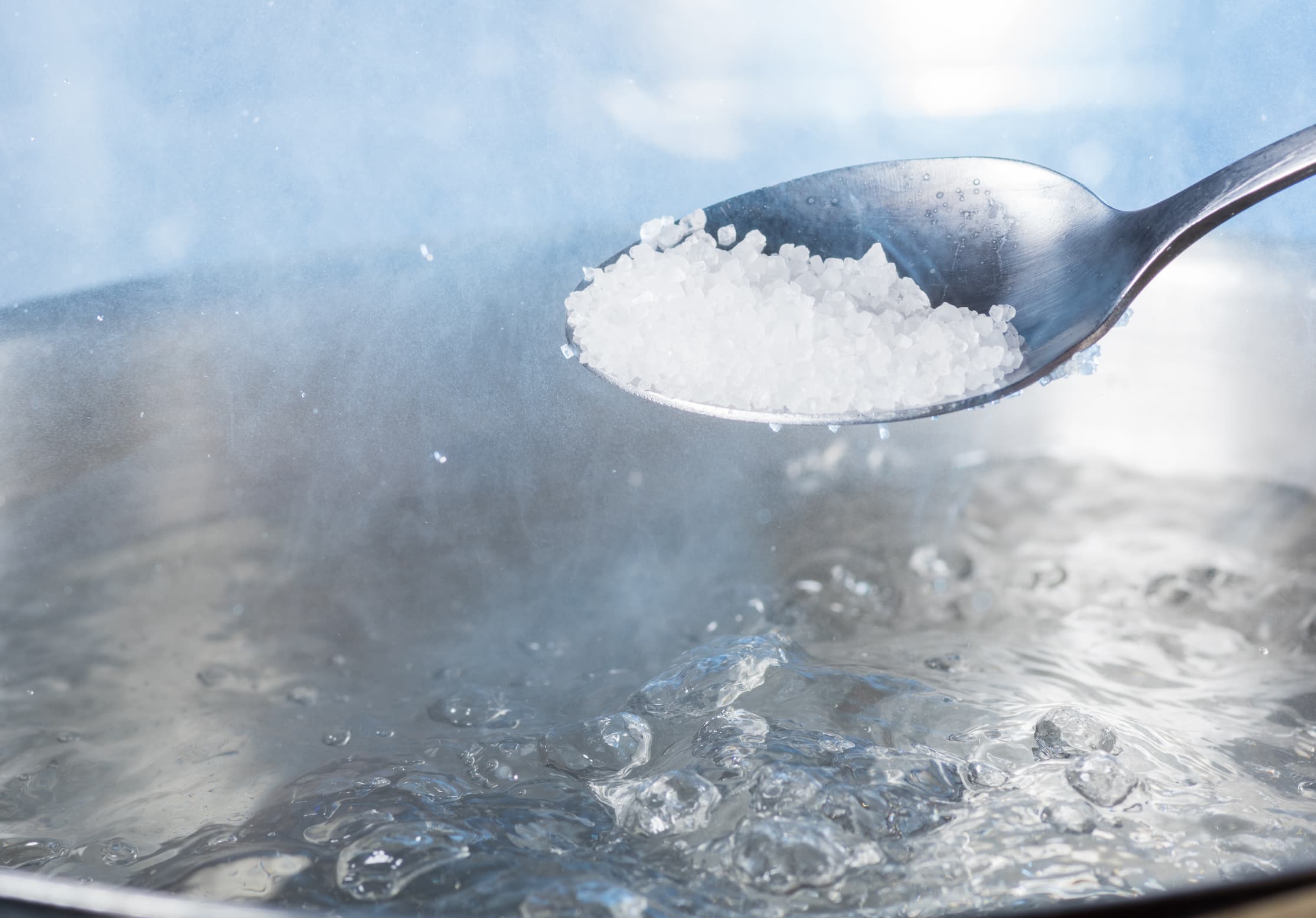
Imagine you’re stranded on a desert island, all Tom Hanks and volleyball-chatty. You’ve got a pot, a fire, and an ocean of salt water. Your brain screams: Boil it! After all, boiling kills germs, right? So you boil that seawater like a champ—and then you take a sip. Congratulations! You’ve just made very hot, very salty water. You are now more dehydrated than before, and your taste buds are filing a formal complaint.
The Big, Salty Truth
Here’s the kicker: boiling salt water does not remove the salt. It only kills the microscopic critters that might give you the runs. Think of it like this: you’re boiling a pot of ocean-flavored soup—and the salt stays stubbornly put. In fact, as the water boils away as steam, the remaining liquid gets even saltier. It’s like concentrating a bad decision.
So you’re not making drinking water; you’re making a brine that would make a pickle blush. If you drink that, your kidneys will send you a very angry memo. They’ll have to pull water from your own cells just to flush out all that sodium. You’ll end up thirstier than you started, and possibly with a headache that feels like a tiny man with a hammer.
Must Read
What Actually Happens When You Boil Salt Water?
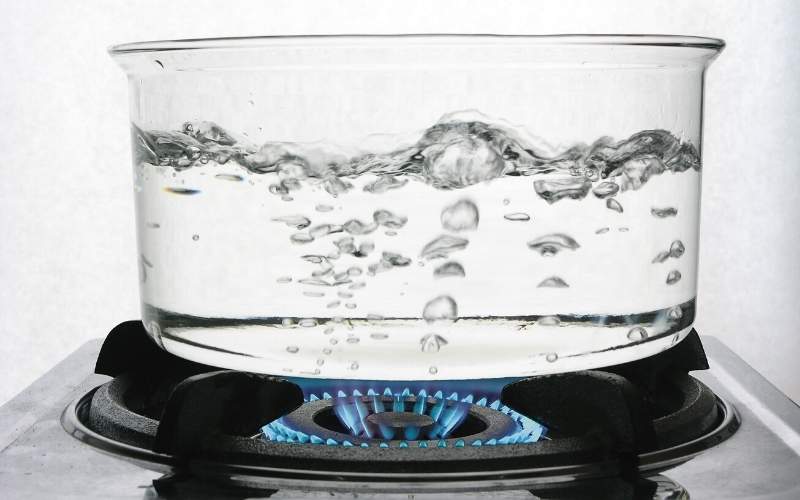
When you boil water, the H₂O turns into vapor and floats away like a ghost. The salt—sodium chloride—is a heavy, clingy molecule that stays behind in the pot. So unless you catch that steam and cool it back into liquid (hello, distillation), you’re just making seawater concentrate. It’s like trying to dry your laundry in a rainstorm—you’re missing the point entirely.
Here’s a surprising fact: if you boiled a gallon of seawater down to nothing, you’d be left with about a third of a cup of salt. That’s enough to ruin your day, your blood pressure, and your chances of survival. Don’t do it. Your body needs fresh water, not a sodium lecture.
The "But I’ve Heard Boiling Works!" Myth
Ah, the classic mix-up. People confuse sterilization with desalination. Boiling kills bacteria, viruses, and parasites—great for a muddy river. But for salt water? It’s like using a fire extinguisher on a sunburn. Wrong tool. The ocean is full of salts, minerals, and the occasional piece of plastic. Boiling won’t touch any of that.
In fact, if you boiled seawater and drank it, you’d risk hypernatremia—a fancy word for "too much salt in your blood." Symptoms include confusion, muscle twitching, and a strong desire to stop doing what you’re doing. In severe cases, it can be fatal. So, no, that salty soup is not your friend.
 5 Foolproof Ways to Make Salt and Seawater Drinkable
How Do You Make Salt Water Drinkable Then?
The real magic trick is called distillation. You boil the water, catch the steam in a lid or tube, and let it condense back into liquid. That liquid? Pure, salt-free, glorious H₂O. It’s the same way clouds make rain—nature’s own water filter. Or you can use a reverse osmosis filter, which forces water through a membrane so tiny that salt molecules get bounced like bouncers at a club.
But you’re not in a lab; you’re on a beach. So here’s a survival tip: if you have a pot, a lid, and a cup, you can make a solar still. Dig a hole, put a cup in the middle, cover with plastic, put a rock on top. The sun heats the salty ground, water evaporates, and voilà—fresh water drips into the cup. It’s slow, but it’s better than boiling your own death.
What About the Ocean’s Salt Level?
Fun fact: ocean water is about 3.5% salt. That’s roughly 35 grams per liter. Your tears? Only about 0.9% salt. So drinking seawater is like drinking four times as salty as your own crying. No wonder you feel awful. Your body can’t process that without using up its own fresh water—like trying to pay off a debt by borrowing more money.
Your kidneys are awesome, but they have limits. They can only produce urine that’s about 2% salt. So when you drink 3.5% salt water, you literally lose water by peeing. You become a very salty, very sad human. That’s why sailors call the ocean "the blue desert." It’s all around you, but you can’t drink a drop.
 How To Boil Water With Salt
The "But What If I Add Sugar?" Delusion
Please don’t. Adding sugar to salt water doesn’t cancel out the salt—it just makes sweet salty poison. You’d be making a terrible candy that dehydrates you faster. There’s no kitchen chemistry cheat here. The only thing that removes salt is physical separation—boil it, catch the steam, or filter it with a membrane. No shortcuts.
And while I’m at it, don’t drink seawater even if you’re desperate. It’s a survival myth that leads to hallucinations and kidney failure. If you’re stranded, wait for rain, find a freshwater stream, or build that solar still. Your body will thank you—assuming your body can still talk.
The Final Verdict
So, does boiling salt water make it safe to drink? No. Emphatically no. It makes it hot and salty and dangerous. It’s like putting a bandage on a leaky boat—wrong problem, wrong solution. Boiling kills germs, but it leaves the salt, so you’re just serving up a steaming mug of regret.
Next time you’re at a beach party and someone suggests boiling seawater for a "challenge," politely decline. Offer them a fresh coconut instead. Or just point at the ocean and say, "That’s not a drink. That’s a science experiment." And then order a nice, clean glass of tap water. Your kidneys will do a little dance of joy.
