Why Does My Sink Water Smell Like Rotten Eggs

You turn on the tap to fill a glass of water, and suddenly you’re hit with a whiff of something that belongs in a swamp, not your kitchen. That unmistakable rotten egg smell i...

You turn on the tap to fill a glass of water, and suddenly you’re hit with a whiff of something that belongs in a swamp, not your kitchen. That unmistakable rotten egg smell is enough to ruin your morning coffee and make you question your entire plumbing setup. Take a deep breath (maybe not too deep) because this is actually a common, fixable issue with a surprisingly fascinating backstory.
The Culprit Is Sulfur, But Not The Volcano Kind
That stench is hydrogen sulfide gas—essentially, nature’s biological alarm clock. When certain bacteria thrive in your pipes, they break down the organic matter in your water, releasing this pungent gas as a byproduct. Think of it as a tiny, stinky party happening inside your plumbing system, and you’re the uninvited guest.
This isn’t a sign that your water is toxic; in fact, sulfur is often naturally present in groundwater. The U.S. Geological Survey notes that around 20% of private wells have detectable levels of hydrogen sulfide. But let’s be real—no one wants their bathroom to smell like a hot spring in Iceland, even if that’s considered a luxury spa elsewhere.
Must Read
The First Place To Check: Your Water Heater
If the smell only comes from hot water, you’ve likely found the source. Water heaters can become a breeding ground for sulfate-reducing bacteria, especially if you set the thermostat below 120°F (49°C). These bacteria love a warm, stagnant environment—think of it as a jacuzzi for microbes, just with terrible cologne.
Here’s a quick fix: flush your water heater once a year to remove sediment where bacteria hide. If that doesn’t work, consider replacing the magnesium anode rod inside the tank with an aluminum one. This rod is designed to prevent corrosion, but it can also feed the bacteria, turning your water into a stinky science experiment.
When It’s The Cold Water That Offends
Cold water smelling like rotten eggs usually points to a different villain: your pipes. If your home uses galvanized steel or has a well water system, iron and sulfate can react to form that familiar odor. The bacteria feast on the iron, and you’re left with the aftermath.
A simple test: fill a glass with cold water, then let it sit for a minute. If the smell fades, it’s likely coming from your drain, not the water supply. But if the stench lingers like an uninvited house guest, you may need to shock chlorinate your well or install a point-of-entry carbon filter.
 Bathroom Sink Smells Like Eggs – Rispa
Cultural Cameos And Curious Facts
Did you know that hydrogen sulfide is the same gas that gives rotten eggs their legendary reputation? In small doses, it’s a nuisance; in high concentrations, it’s used in chemical warfare—so you’re right to be wary. On a lighter note, some natural hot springs (like those in Japan or New Zealand) are famous for their sulfur-rich waters, which are believed to have healing properties for skin and joints.
In ancient Rome, sulfur was used to fumigate homes and purify sacred spaces. If your sink smells like a Roman spa, at least you can philosophize about the historical parallels while you fix the problem. For a modern twist, several urban myths claim that a simple lemon peel down the garbage disposal can banish the smell—though that’s more about masking than actual chemistry.
Fix It Like A Pro (Without Calling A Pro)
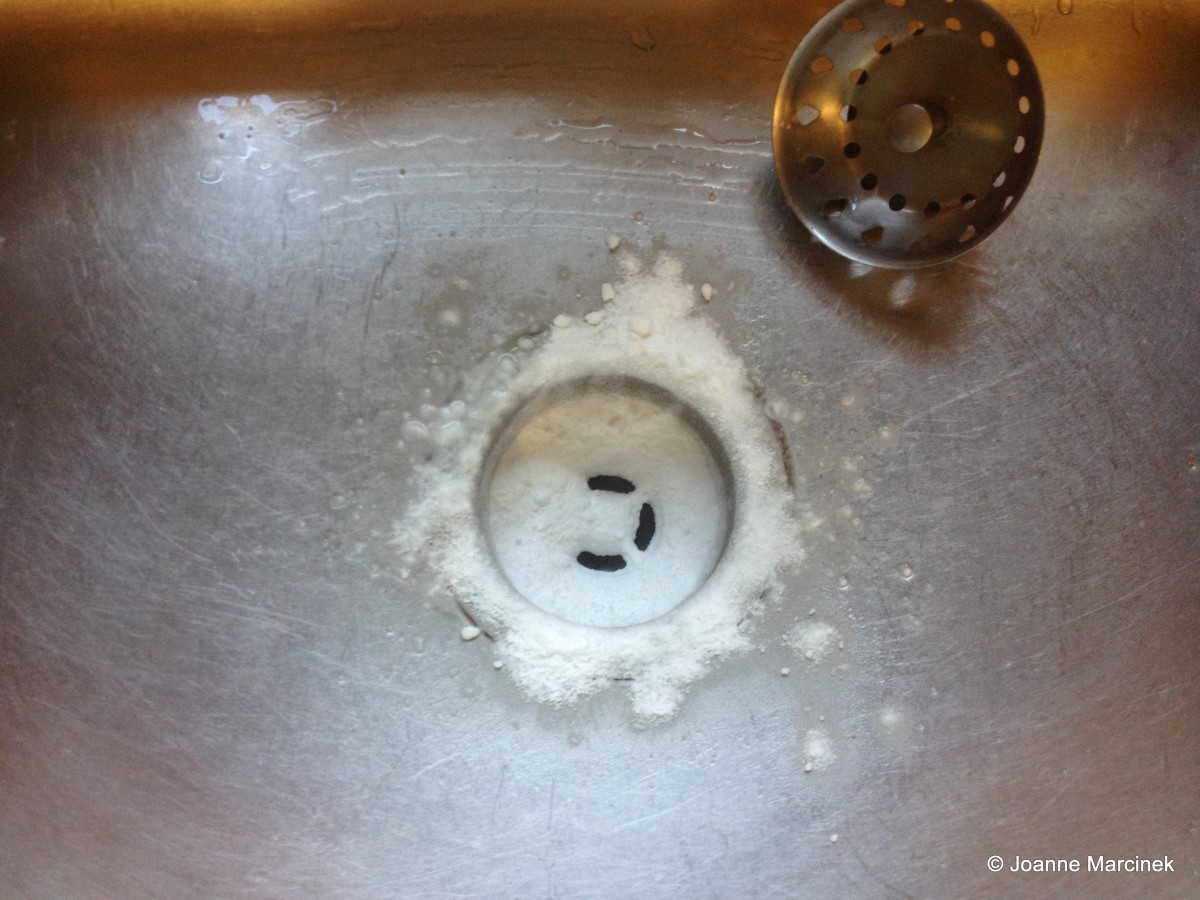
Start with the cheapest fix: run your cold water for two minutes to flush out any stagnant water. If the smell persists, try pouring a cup of white vinegar or baking soda down the drain, followed by hot water after 15 minutes. This kills the bacteria colony without harsh chemicals.
For a more permanent solution, invest in a water filtration system—specifically a catalytic carbon filter or aeration system. These devices oxidize the hydrogen sulfide, making it harmless and odorless. Prices range from $50 for a simple tap filter to $1,500 for a whole-home system, but your nostrils will thank you.
 Sink Smell Like Rotten Eggs? Expert Fixes That Actually Work
One fun trick: if you’re on well water, add a small amount of hydrogen peroxide to your water storage tank. It’s a quick way to neutralize sulfur without buying expensive equipment. Just be sure to test your water first, as overdoing it can bleach your clothes—nobody wants a tie-dye shirt from a plumbing mishap.
When To Call A Plumber (And When Not To)
If you’ve tried flushing, cleaning, and still smell eggs every time you turn on the tap, it’s time to call a professional. A plumber can test for a bacterial infestation deeper in your main line or sewer system. This is rare, but ignoring it can lead to pipe corrosion or even methane leaks—though that’s a whole other stinky story.
On the other hand, if the smell is mild and disappears quickly, you’re likely fine. Most cases are solved with basic maintenance and a little patience. Remember: your grandmother probably dealt with the same issue using a bucket of bleach and a lot of grumbling.
A Final Sip: Reflection On The Stench
There’s something oddly human about being undone by a bad smell in your own home. We spend so much effort perfecting our spaces—the right sofa, the perfect lighting—only to be humbled by a kitchen sink that smells like a forgotten lunch. But this small nuisance is also a reminder that our homes are living systems, with their own quirks and chemistry.
So the next time you get a whiff of rotten eggs, don’t panic. Grab a glass, run the water, and consider it a nudge to pay attention to the invisible world beneath your fixtures. A little curiosity and a bit of vinegar can restore your water’s purity—and your peace of mind. In the end, it’s just gas. And you’ve got the tools to send it packing.
