What Does A Charcoal Filter Remove From Water

You know that moment when you fill a glass from the tap and it smells a little like a swimming pool, or maybe like a damp basement? Yeah, we’ve all been there. That’s where a...

You know that moment when you fill a glass from the tap and it smells a little like a swimming pool, or maybe like a damp basement? Yeah, we’ve all been there. That’s where a humble little chunk of charcoal, often living inside your fridge pitcher or countertop filter, steps in to save the day.
Think of a charcoal filter as a tiny, super-friendly bouncer for your water glass. It doesn’t kick out the good guys like minerals you actually need—it just politely shows the nasty, smelly troublemakers the door. And honestly, it does a pretty amazing job at it.
First Up: The "Smell" Squad
Have you ever left a glass of tap water on the nightstand, only to take a sip an hour later and get a whiff of chlorine? It’s like the water went through a chemical car wash. Charcoal is a master at yanking that chlorine right out of the water.
Must Read
Chlorine is added to kill bacteria at treatment plants, which is great, but it leaves behind that distinct pool-party aftertaste. Charcoal adsorbs that chlorine (it’s like a magnet, not a sponge), so your water tastes cleaner and fresher—like it came from a spring, not a lab.
Your Morning Coffee Will Thank You
This is a story you might relate to: I used to make coffee with straight tap water, and it always had a slightly off flavor. I blamed the beans! Then I switched to filtered water, and suddenly my coffee tasted rich and smooth, not bitter and chemical.
Charcoal removes the volatile organic compounds (VOCs) that make water taste "flat" or "medicinal." So, yes, a charcoal filter is basically the unsung hero of a perfect morning brew. Your taste buds will notice the difference before your brain does.
The "Bad Stuff" That Hides in Plain Sight
Let’s talk about the stuff you can’t see or smell. Charcoal is great at grabbing pesticides and herbicides that might have hitched a ride from farmland runoff into your local water supply. It’s not going to erase every chemical, but it takes a big bite out of the common ones.
It also polishes away things like benzene (yes, the stuff in gasoline) and some industrial solvents. We’re talking about trace amounts, but why would you want to sip even a little bit of that? Charcoal gives you a nice, warm "no thank you" to those invisible hitchhikers.
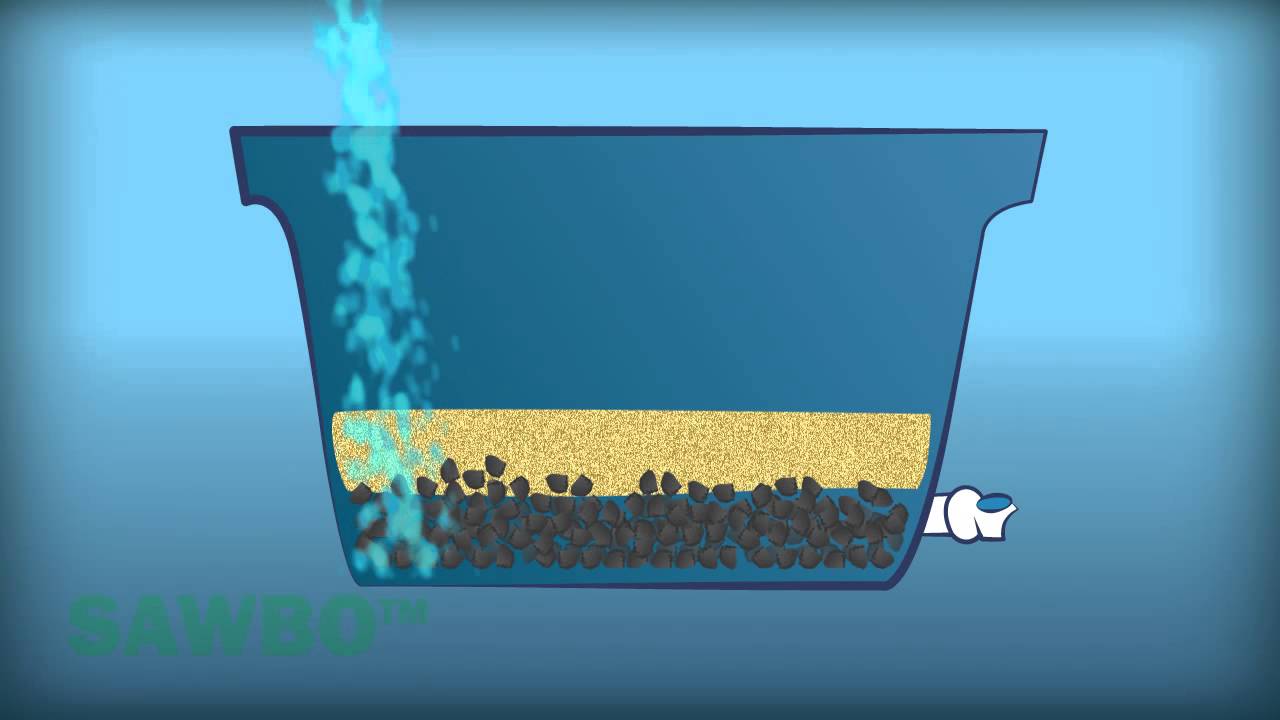 What Does Charcoal Filter Remove From Water at Angel Fleming blog
The "Mud Pie" Test (For Ghosts & Dogs)
Imagine you dropped a sugar cube into a mud puddle. The sugar would just dissolve and spread the dirt around. Now imagine that sugar cube is charcoal. It does the opposite—it pulls the dirt and smell onto its surface and holds it there.
This is why charcoal is also fantastic at removing bad tastes from organic matter. If your water tastes a little like dirt or rotten eggs (that’s usually sulfur), charcoal is your best friend. It’s like a little vacuum cleaner for nasty flavors.
What It Does NOT Remove (The Honest Truth)
Here’s where we keep it real, friend. A standard charcoal filter isn’t a miracle worker for everything. It won’t remove hard minerals like calcium or magnesium that cause limescale in your kettle. For that, you need a water softener.
It also won’t pull out fluoride (unless it’s a special activated carbon with a specific treatment), and it’s not designed to remove dissolved salts or heavy metals like lead and mercury by itself. If you’re worried about those, you need a filter with a special "ion exchange" resin inside too.
But here’s the kicker: for the everyday things that make water taste weird, smell funny, or look a bit cloudy? Charcoal is the MVP. It’s the reliable friend who shows up to tidy up the big, common messes.
 Charcoal Water Filtration: Function, Benefits, and System Types - Pick
The "Sink or Swim" Comparison
Think of your water glass as a swimming pool. Chlorine, pesticides, and funky smells are the floaties and dead leaves on the surface. Charcoal is the pool skimmer that gently sweeps them away. It doesn’t rebuild the entire pool, but it makes swimming (drinking) a much more pleasant experience.
And when you use a filter that has charcoal, you’re not just improving taste. You’re also encouraging yourself to drink more water. Hydration is easier when every sip doesn’t feel like a compromise.
Why You Should Care (The Happy Vibe)
Here’s the real reason to care: it makes your daily rituals nicer. Water from a charcoal filter feels less like a chore and more like a treat. You’ll find yourself reaching for a glass more often, and you’ll notice when you drink tap water elsewhere—it suddenly tastes "off."
It’s also a small, affordable act of self-care. A filter pitcher costs pennies per gallon compared to bottled water, and you’re not adding plastic bottles to the planet. That’s a win for your wallet, your taste buds, and the world.
So the next time you unscrew that little charcoal cartridge and see the dark, crumbly stuff inside, give it a little nod. It’s working hard to remove the chlorine, the VOCs, the weird tastes, and the organic grime—so your water can just be water. Clean, crisp, and ready to drink.
And honestly? That’s a pretty cool job for a piece of burnt wood.
