How Does The Ice Maker In A Refrigerator Work

Imagine opening your freezer on a sweltering summer afternoon. You reach in, and a cascade of perfect, crystalline ice cubes tumbles into your glass. It feels like magic, but...
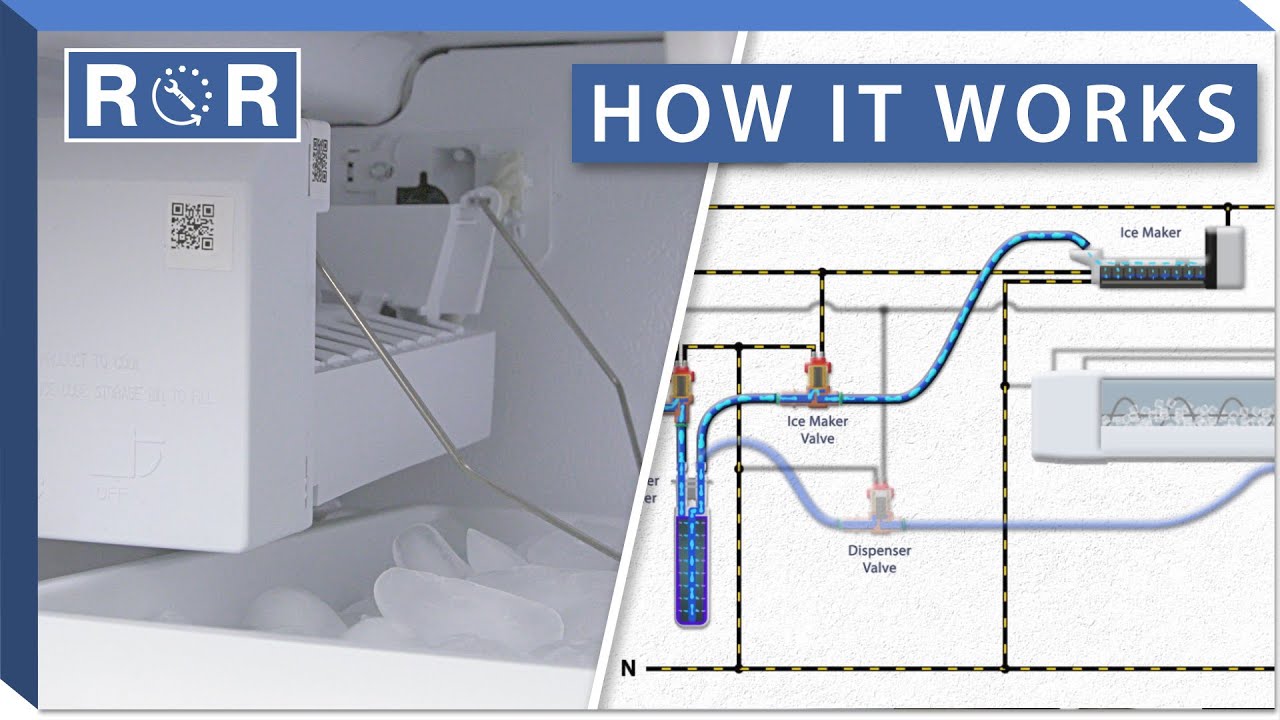
Imagine opening your freezer on a sweltering summer afternoon. You reach in, and a cascade of perfect, crystalline ice cubes tumbles into your glass. It feels like magic, but it’s actually a quiet marvel of engineering living in your kitchen.
We rarely stop to thank the appliance, but the ice maker is a tiny, relentless factory. It works on a simple principle: freeze water, harvest the ice, and do it again. No pixie dust required.
Let’s pop the hood—metaphorically, of course. The process starts when a small electric solenoid valve opens, letting water flow into a dedicated ice mold tray. This isn’t your tap; it’s a precise, measured squirt.
Must Read
The Freeze Cycle: Where the Cold Magic Happens
Your refrigerator’s freezer is already a frosty -18°C (0°F) chamber. That’s cold enough to freeze one millimeter of water per minute, a fact that sounds boring but is actually quite cool.
As the water freezes, the ice maker’s thermostat gets to work. It measures the temperature of the mold itself, not the air. When the cubes hit that perfect solid state, the thermostat clicks, signaling the end of Phase One.
Fun fact: Many modern ice makers use a heated release cycle. A small heating element under the mold warms up slightly, loosening the ice’s grip. It’s the appliance equivalent of running warm water over a stuck ice cube tray.
The Harvest: A Mechanical Ballet
Now, the real show begins. A small electric motor turns a series of gears, and a rotating arm sweeps across the mold. With a satisfying clunk, the cubes are pushed out and tumble into the bin below.
Here’s a hidden detail: the ejector arm is designed to twist as it moves. This twisting action ensures that even stubborn cubes break free without cracking the plastic mold. It’s surprisingly elegant.
If your ice maker makes that loud, rattling noise, don’t panic. That’s just the ice hitting the bin. Some people find it annoying; I find it life-affirming—proof that cold drinks are on the way.
Why Is My Ice Cloudy? The Science of Clarity
You’ve probably noticed restaurant ice is crystal clear, while your home cubes are cloudy or even white. It’s not a defect—it’s air. Tap water has dissolved gases, and when it freezes from the outside in, those gases get trapped, forming tiny bubbles.
Bar ice is made using a directional freezing method, freezing from top to bottom, which pushes impurities out. Your refrigerator freezes fast and all at once, trapping the air. Cloudy ice is perfectly safe, just less photogenic.
 How Does a Refrigerator Ice Maker Work? | A Practical Explanation from
For crystal-clear cubes at home, use filtered water or boil it first. Boiling removes dissolved gases. Then pour it into a tray and freeze slowly. Your Instagram bar cart will thank you.
The Water Line: Hidden Hero
Behind your fridge, a small plastic or copper tube snakes to your kitchen plumbing. That’s the water line—the unsung hero. If it kinks, you get no ice. If it leaks, you get a wet floor.
Pro tip: Replace plastic water lines with braided stainless steel tubing. It’s more durable and less likely to burst. Think of it as the seatbelt for your ice supply.
Fridges with in-door ice dispensers add another layer: a chute that connects the bin to your glass. That chute can freeze up if you leave the door open too long. A hairdryer on low heat works wonders—but unplug the fridge first!
Common Problems (And the Simple Fixes)
Is your ice maker silent? Check the water line shut-off valve. It’s usually under the sink, and someone might have bumped it closed. I’ve “fixed” three ice makers just by turning a handle.
If it makes ice but never drops it, the thermostat might be faulty. A $5 replacement can save you from buying a $2,000 fridge. YouTube tutorials are your friend here.
Fun cultural note: In Japan, some high-end fridges have ice makers that produce crushed ice on demand. It’s a textural choice—like choosing a cocktail over a highball. The mechanism uses a small claw that crushes cubes as they drop.
The Ice Maker’s Secret Life
Did you know your ice maker likely produces between 2 to 3 pounds of ice per day? That’s about 100 cubes. Enough for a dinner party or a serious afternoon of iced tea.
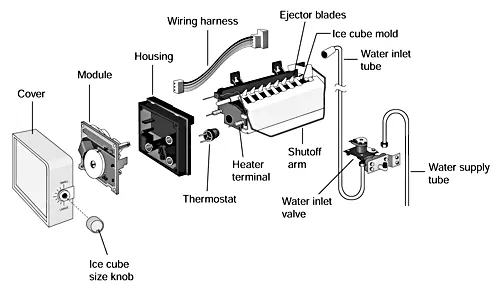 Why is My GE Refrigerator Not Making Ice? Easy Solution
Most units have a shut-off arm or sensor that stops production when the bin is full. It’s a simple, elegant feedback loop. If yours overfills, that sensor might be bent or dirty. A gentle cleaning with a cotton swab can fix it.
And here’s a fun fact from the appliance world: The first automatic ice maker for home refrigerators was introduced by Frigidaire in 1953. Before that, people either wrestled with trays or bought bagged ice from a store. We’ve come a long way.
Practical Tips for Max Ice Happiness
Run a vinegar-water solution through your ice maker once a year. It removes mineral buildup and keeps the taste fresh. Nobody wants that “freezer flavor” in their morning smoothie.
Keep the freezer at or below 0°F (-18°C). If it’s warmer, the ice maker might cycle too slowly, and you’ll end up with hollow cubes. A simple thermometer can save your summer.
Consider using a water filter on your main line. Chlorine and sediment can degrade the ice maker’s valve over time. It’s cheaper than a repair call.
One last weird tip: If you pre-fill a silicone ice tray with filtered water and set it in the bin, the ice maker will happily fill the bin for you. It’s like giving your fridge a little help.
So the next time you hear that gentle clunk of ice falling into the bin, pause for a second. It’s the sound of thermodynamics, fluid dynamics, and a tiny motor working in perfect sync. It’s the sound of modern life humming along.
And maybe, just maybe, it’s a reminder that even the most ordinary comforts—like cold water on a hot day—are built on quiet, clever science. Enjoy your drink. You’ve earned it.
