How To Break Up Salt Bridge In Water Softener

That Time Your Water Softener Decided to Play Bricklayer You know that feeling when you reach for the ketchup bottle and all you get is a stubborn glug-glug-glug? That’s kind...

That Time Your Water Softener Decided to Play Bricklayer
You know that feeling when you reach for the ketchup bottle and all you get is a stubborn glug-glug-glug? That’s kind of what happens inside your water softener when a salt bridge forms. Instead of soft water flowing freely, you get hard water sneaking back into your home.
It’s like the salt has decided to build a tiny, crusty igloo right over the water. And no, it’s not cute. It’s annoying, and it makes your appliances work harder than they should.
What’s a Salt Bridge, Anyway?
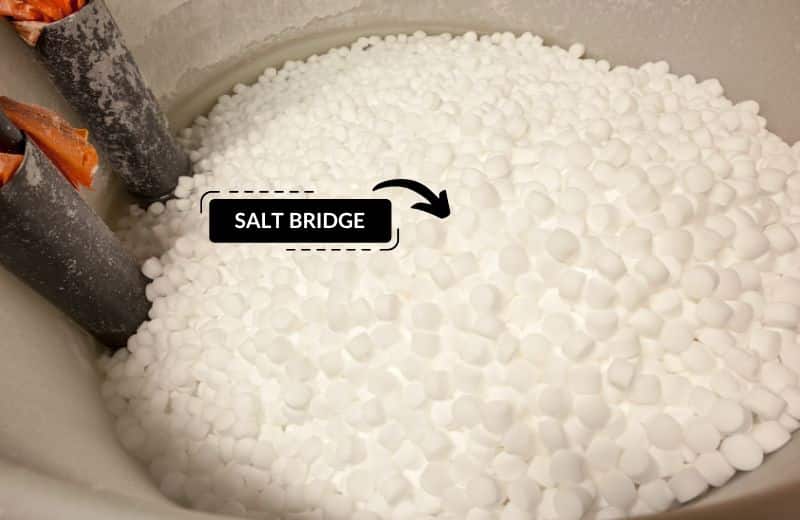
Imagine you’re making a layered dessert—pudding, then graham crackers, then more pudding. A salt bridge is like a hard crust that forms on top of your salt, leaving a hollow space underneath. The water can’t reach the salt to dissolve it, so your softener runs on empty.
Must Read
You might still see salt in the tank, but it’s just fooling you. It’s a salty ceiling of lies. Your dishes get spots, your skin feels tight, and your washing machine starts acting grumpy.
How to Tell If You’ve Got a Bridge (Without a Hard Hat)
If your water suddenly feels slippery again—wait, no, that’s good. Actually, look for hard water signs: soap scum in the shower, scratchy laundry, or a white film on your coffee pot. That’s your water softener waving a white flag.
Another clue? Grab a long, blunt object—like a broom handle or a wooden spoon you don’t love too much. Gently tap the top of the salt. If it feels hard and solid, like tapping a sidewalk, you’ve got a bridge. If it crumbles, you’re in the clear.
The Big Break-Up: How to Bust That Bridge
First, turn off your water softener to keep it from trying to regenerate. You don’t want it sucking on a salt sandwich. Next, take that broom handle and carefully poke around the edge of the tank. Don’t go jabbing like a pirate—you’re not searching for treasure, just breaking the crust.
Work your way inward, snapping the bridge into small pieces. Listen for that satisfying crack! sound. Once it’s broken up, the salt will fall down into the water, and your softener can get back to work.
 How To Fix A Water Softener Salt Bridge at Herman Stpierre blog
If the bridge is stubborn, pour some warm (not hot) water around the edges. That helps dissolve the glue-like minerals holding the crust together. Just don’t fill it up—you’re not making soup.
Why You Should Care (Besides Saving Your Dishes)
A water softener with a salt bridge is like a car with an empty gas tank—it looks fine, but it’s going nowhere. Hard water wrecks your appliances. It clogs pipes, ruins water heaters, and makes your coffee taste like a gravel driveway.
Also, you’re literally paying for salt you can’t use. That’s like buying a pizza and only eating the box. Busting the bridge takes five minutes and saves you money on repairs, detergent, and the headache of rewashing socks.
Little Life Hacks to Prevent Future Bridges
First, don’t overfill the tank. That’s the number one cause of salt bridges. Keep the salt level about halfway, or just below the water line. Think of it like a bag of chips—you don’t cram it to the top.
Second, use high-quality salt. Pellets or coarse crystals are better than the dusty stuff. Cheaper salt tends to clump like day-old oatmeal. Also, use a salt additive or cleaner once a month to keep things flowing.
Finally, if you live in a humid area (hello, summer sweat!), check your tank more often. Humidity makes salt clump faster. Give it a gentle tap every time you refill—like greeting an old friend, but saltier.
 Water Softener Salt Setting at Latonya Langley blog
What If You Can’t Break the Bridge?
Sometimes the bridge is so thick and crusty that your broom handle just bounces off. In that case, you might need to scoop out all the salt. Yes, it’s a bit of a workout, but it’s cheaper than calling a repair guy.
Use a plastic cup or a small dustpan to remove the salt until you hit the tan-colored wet stuff. Break up any stubborn chunks with your hands (wear gloves if you’re squeamish about salt slime). Then add fresh salt and let the system do a manual regeneration.
If you’re still getting a bridge every month, consider a different type of salt or a filter for your brine tank. Some people swear by resin cleaners. Just don’t give up—your softener is a team player, and it needs you to be the captain.
A Happy Ending in Soft Water
Once you’ve broken that salt bridge, your water softener will thank you with silky, spot-free water. Your skin will feel less like sandpaper, your glasses will sparkle, and your laundry will smell like it’s on vacation in a mountain spring.
It’s a small win, but a satisfying one. You saved yourself from a hard water headache and earned the right to brag about your plumbing prowess at dinner. And next time you see that salt crust forming, you’ll know exactly what to do—grab the broom handle and give it a gentle, loving break-up.
Now go enjoy a soft, sudsy shower. You’ve earned it.
