Why Is It Important To Measure Water Quality

Okay, let’s be real for a sec. When was the last time you actually thought about the water coming out of your tap? Probably never, right? We just turn on the faucet and expect...

Okay, let’s be real for a sec. When was the last time you actually thought about the water coming out of your tap? Probably never, right? We just turn on the faucet and expect magic to happen. But that clear liquid is actually a super complex, living thing, and it’s secretly telling us a story. Measuring its quality is like giving that story a plot twist you actually want to know about.
It’s Basically a Health Check-Up for Your Glass
Think of water quality testing like a doctor’s visit for your drink. You wouldn’t skip your annual check-up, so why would you skip one for the stuff that makes up 60% of your body? We’re looking for things like bacteria, heavy metals, and weird chemicals. A simple test can catch a nasty guest like E. coli before it crashes your Friday night.
Have you ever had a stomach bug you couldn’t explain? It could have been a water quality issue. By measuring, you’re basically giving your immune system a high-five. It’s the difference between trusting that “fresh” lake water and knowing it’s actually safe to splash around in.
Must Read
Your Fish Tank (and the Ocean) Will Thank You
If you’ve ever owned a goldfish, you know the drama: one bad nitrate spike and it’s swimming upside down. That’s water quality in action! Now, imagine the entire planet’s water is one giant fish tank. Measuring pH, dissolved oxygen, and nutrient levels tells us if our oceans, rivers, and lakes are thriving or just barely surviving.
When the data shows too much phosphorus from farm runoff, it’s like a red flag for a giant algae party. And nobody wants that party. These measurements are our early warning system, letting us spot a dead zone before it turns our favorite swimming hole into a slimy mess.
Your Coffee, Your Beer, and Your Steak
Let’s talk about something we all care about: flavor. Ever wonder why your home-brewed coffee tastes a bit off, or why that microbrewery’s IPA is so crisp? It’s the water, dude. Measuring mineral content like calcium and magnesium—the hardness—is the secret handshake between water and taste.
A barista will tell you that bad water ruins a $5 latte. The same goes for your pasta, your ice cubes, and yes, even your steak (which is mostly water anyway). If the water is funky, your entire meal takes a sad detour. Measuring it isn’t just nerdy science; it’s the key to a delicious life.
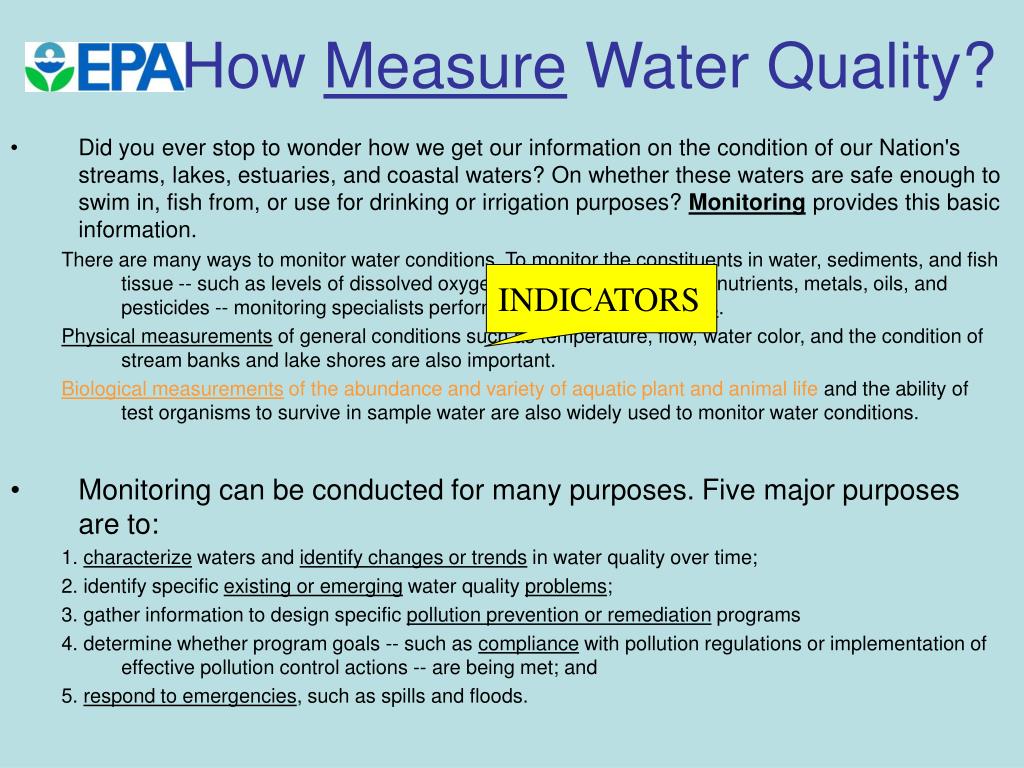 Why Is It Important To Measure Water Quality at Yvonne Park blog
The Hidden Detective Work
Here’s the cool part: measuring water quality makes you a detective. You test a stream for turbidity (how cloudy it is) and suddenly you’re asking, “Who’s building upstream?” It’s like reading the landscape’s diary. You can literally track pollution from a single factory or a big rainstorm right back to its source.
Why is that interesting? Because it gives you power. Instead of feeling helpless about “the environment,” you can point to a chart and say, “Hey, that river is sick, and here’s the proof.” It turns a vague worry into a specific, solvable puzzle. You go from a passive observer to an active citizen scientist.
It’s a Super Cheap Insurance Policy
Think of a water test kit as the most affordable insurance you’ll ever buy. Is your well water safe for the kids? Is that rusty pipe leaching lead into your morning shower? A $20 test strip can save you thousands in medical bills and a whole lot of regret. It’s cheaper than a Netflix subscription and way more valuable for your health.
And here’s a wild thought: knowing your water is clean actually reduces your stress. You stop worrying about that funny smell. You stop buying bottled water (saving money and the planet). Measuring quality gives you peace of mind, which is one of the most underrated luxuries in modern life.
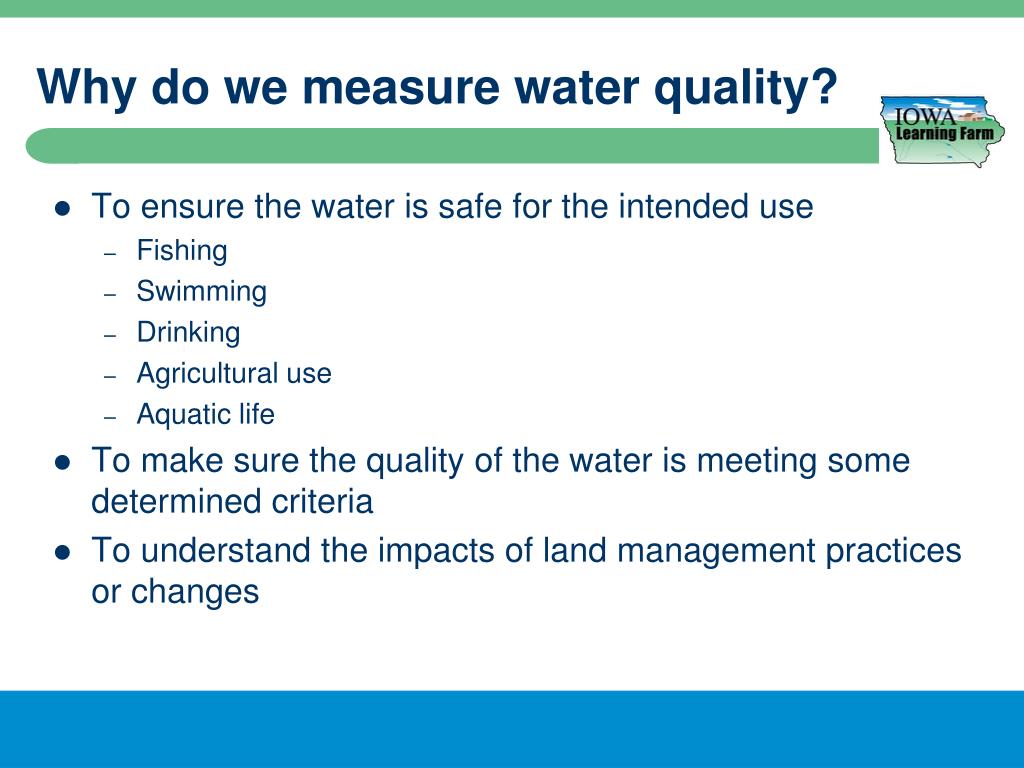 Why Is It Important To Measure Water Quality at Yvonne Park blog
The “Ignorance Is Bliss” Myth
Some people think, “If I don’t know what’s in the water, it doesn’t bother me.” But that’s like driving a car with no dashboard. Sure, you’re moving forward, but you have no idea if you’re about to run out of gas or blow a gasket. Ignorance isn’t bliss; it’s a gamble. Measuring water quality is simply turning on the headlights.
You wouldn’t eat a sandwich that looked a little green without checking it, right? So why treat water any differently? It’s the most basic ingredient in your whole life. Taking five minutes to test it is just smart, low-effort self-care. You’re basically telling your future self, “I’ve got you covered.”
So, Grab a Test Kit (It’s Fun, Promise)
I know “water testing” sounds like homework, but it’s actually a little fascinating. You dip a strip in, watch the colors change, and suddenly you’re a mad scientist in your own kitchen. It’s hands-on, immediate, and you get a real answer right now.
And once you start, you’ll get hooked. You’ll test the rain puddle, the dog’s bowl, and the stream on your hike. You’ll see the world through a new, clearer lens. So go ahead—be curious. The water is waiting to tell you its secrets, and honestly, they’re way more interesting than you’d expect.
