Does Distilled Water Have An Expiration Date

Last week, I found a dusty jug of distilled water hiding in the back of my pantry. It had survived two moves and a minor earthquake, and the “best by” date was from 2021. I st...

Last week, I found a dusty jug of distilled water hiding in the back of my pantry. It had survived two moves and a minor earthquake, and the “best by” date was from 2021. I stared at it, genuinely uncertain: is this stuff still drinkable, or am I about to become a cautionary tale for a science blog?
I popped the cap, took a sniff, and—nothing. It smelled like the void. That’s exactly why I had to dig into the real question: does distilled water have an expiration date? Or is it just too pure to go bad, like a grumpy hermit who only drinks angst?
The short, science-y answer (don’t worry, it’s fun)
Technically, distilled water doesn’t expire in the way milk or bread does. It won’t grow mold, because mold needs nutrients to survive, and distilled water is essentially a starving artist with zero minerals to offer. You could theoretically drink a bottle from 1985 and not get sick—assuming the bottle itself wasn’t crawling with germs.
Must Read
But here’s the kicker: distilled water is a sponge for carbon dioxide. As soon as you open the jug, it starts absorbing CO₂ from the air, turning slightly more acidic (yes, like a tiny, sad soda). That doesn’t make it dangerous, but it does change the taste—ever so slightly—to something flat and a bit metallic. Not exactly a dealbreaker, but don’t serve it at a wine tasting.
Wait, so why do bottles have expiration dates?
Great question, and the answer is mostly plastic. The container is the real villain here. Over time, the cheap plastic jug can leach weird compounds into the water, especially if it’s been sitting in a hot car or near a radiator. Those chemicals won’t kill you in small doses, but they will make your water taste like a chemical factory.
Glass bottles? Way better. If you’ve got distilled water in a glass jug, that stuff might outlive your grandchildren. Well, maybe not, but you get the point—no plastic, no weird flavors. The date on the label is often just a “sell-by” for the store, and a gentle reminder that plastic doesn’t age like fine wine.
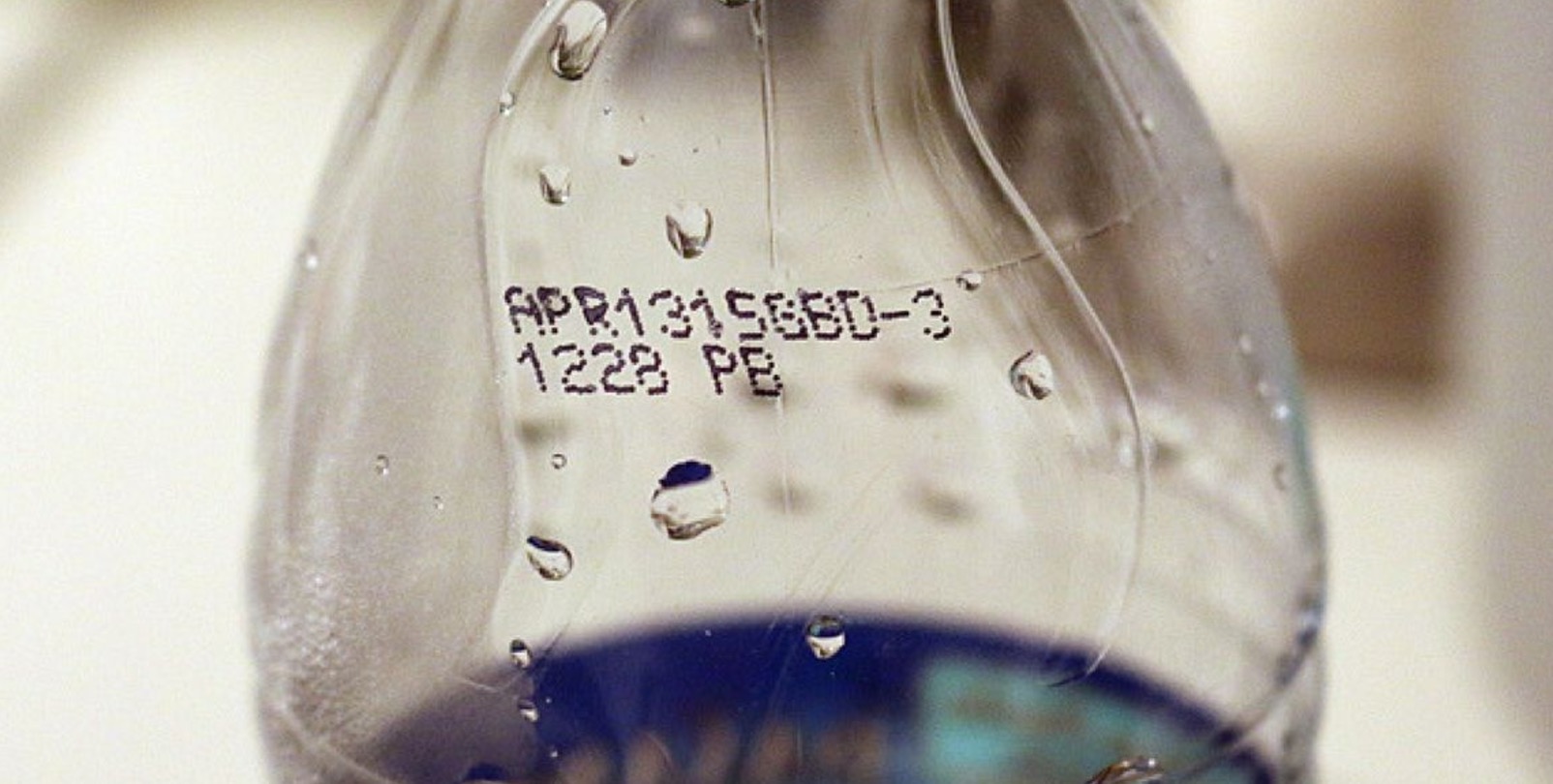 Glass Bottled Water Expiration Date at Benjamin Whitley blog
What about bacteria? Is that even possible?
Surprisingly, yes—but only if you’ve been flirting with the water. If you stick your dirty finger in the jug, or leave the cap off while you binge-watch a show, various microbes can hop in. Distilled water won’t grow bacteria on its own, but it can harbor them if you introduce them. Think of it as a clean hotel room: no bugs inside, but bring in a cockroach, and it’s suddenly a cockroach hotel.
So, the real expiration date is whenever you contaminate it. If the jug is sealed and stored away from direct sunlight and extreme temperatures, it’s essentially ageless. I’m talking decades, folks. You could leave it as a time capsule for your future great-grandkids—just tell them to pour it through a filter first, because dust loves to settle on bottle lips.
But… is it safe to drink old distilled water?
Honestly, for drinking, you probably don’t want to use distilled water at all over the long term. Your body needs those minerals—calcium, magnesium—that distilled water strips away. This myth that it’s unsafe to drink is mostly overblown (you’d need to chug gallons daily for weeks), but it’s not ideal for hydration. Plain tap water or spring water is usually better for your kidneys and your taste buds.
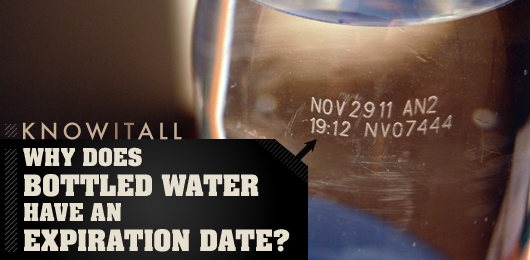 Know It All: Why Does Bottled Water Have an Expiration Date? · Primer
Distilled water shines in other places: steam irons, car batteries, CPAP machines, and terrariums for finicky plants. For those uses, an old sealed bottle is perfectly fine, even if the date says 2019. The water inside hasn’t decayed—it’s just been waiting.
My dusty jug verdict (and a lesson in overthinking)
I poured that 2021 distilled water into my steam iron. It hissed with the same enthusiasm as a brand-new gallon. No regrets. If I had drunk it, I’d be fine—but I’d probably complain about the taste because my brain knows it’s “old.” Humans are weird like that.
So, the next time you find a relic of distilled water lurking in your garage, don’t panic. Give the bottle a rinse (even if it’s sealed), look for any funky floaties (which would mean contamination), and if it’s clear and odorless, you’re good. Expiration dates on water are mostly a suggestion—like a “no dancing on tables” sign at a wedding. The real rules? Store it cool, keep the lid tight, and don’t let your inner chemist overthink it.
Now go check your pantry. I dare you. You’ve probably got a bottle from 2018 in there, and this article just saved you from throwing away a perfectly good nothing.
