How Long Does Resin Last In A Water Softener

So, you’ve got a water softener. Maybe it’s tucked away in your garage, humming quietly like a loyal pet. You know it’s doing something important, but you’re not quite sure wh...
So, you’ve got a water softener. Maybe it’s tucked away in your garage, humming quietly like a loyal pet. You know it’s doing something important, but you’re not quite sure what. Let’s fix that, starting with the big question: how long does that magical resin inside actually last?
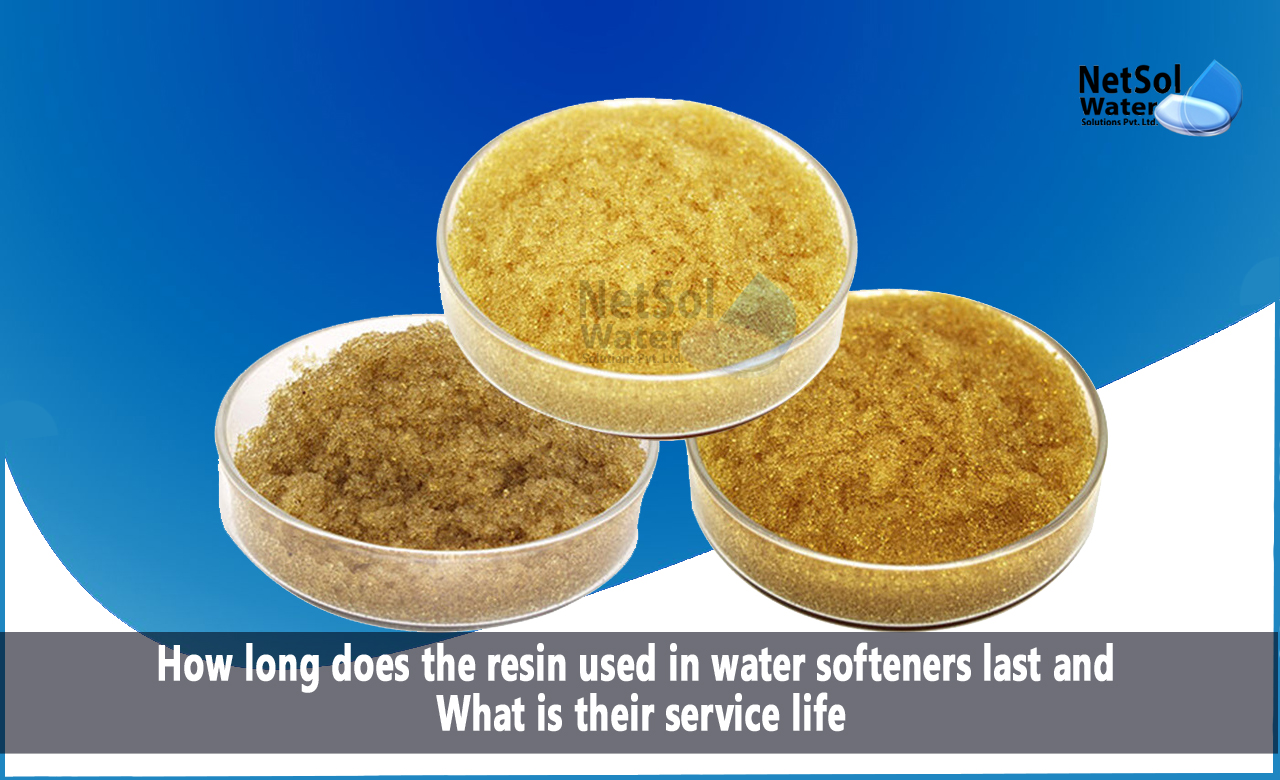
Think of resin as the heart of your water softener. It’s made of tiny, jelly-bean-sized beads that grab onto hard minerals like calcium and magnesium. Over time, those beads get tired, just like you do after a long week of work.
On average, water softener resin lasts between 10 and 15 years. But that’s like saying a car lasts 200,000 miles—it depends entirely on how you drive it. Some resins wave the white flag after just five years, while others soldier on for twenty.
Must Read
What Makes Resin Fizzle Out Faster?
Your water’s quality is the biggest factor. If your water has a lot of iron (hello, rusty sinks!) or high levels of chlorine from city treatment, it’s like running sandpaper through the resin. Iron coats the beads, making them sticky and slow, while chlorine breaks them down like bleach on a favorite shirt.
Imagine the resin as a sponge that soaks up hard water minerals. Over years, that sponge gets clogged with gunk and starts to shrink. A properly maintained softener regenerates with salt to clean the sponge, but if the water is really nasty, the sponge just can’t keep up.
Here’s a little story: My neighbor, Jim, thought his softener was a “set it and forget it” gadget. He never cleaned the brine tank or checked the salt level. After eight years, his showers felt scratchy, and his dishwasher left spots. His resin had turned into a sad, crusty mess. Don’t be Jim.
Signs Your Resin Is Going Rogue
And how can you tell when your resin is throwing in the towel? Your water might start feeling slippery again or tasting metallic. You might see white buildup on faucets or a crusty ring in your toilet bowl, like a bad flashback to pre-softener days.
Another clue: your softener starts using more salt than usual, or it regenerates more often but still leaves you with hard water. It’s like a coffee maker that’s lost its strength—you add more grounds, but the coffee still tastes weak.
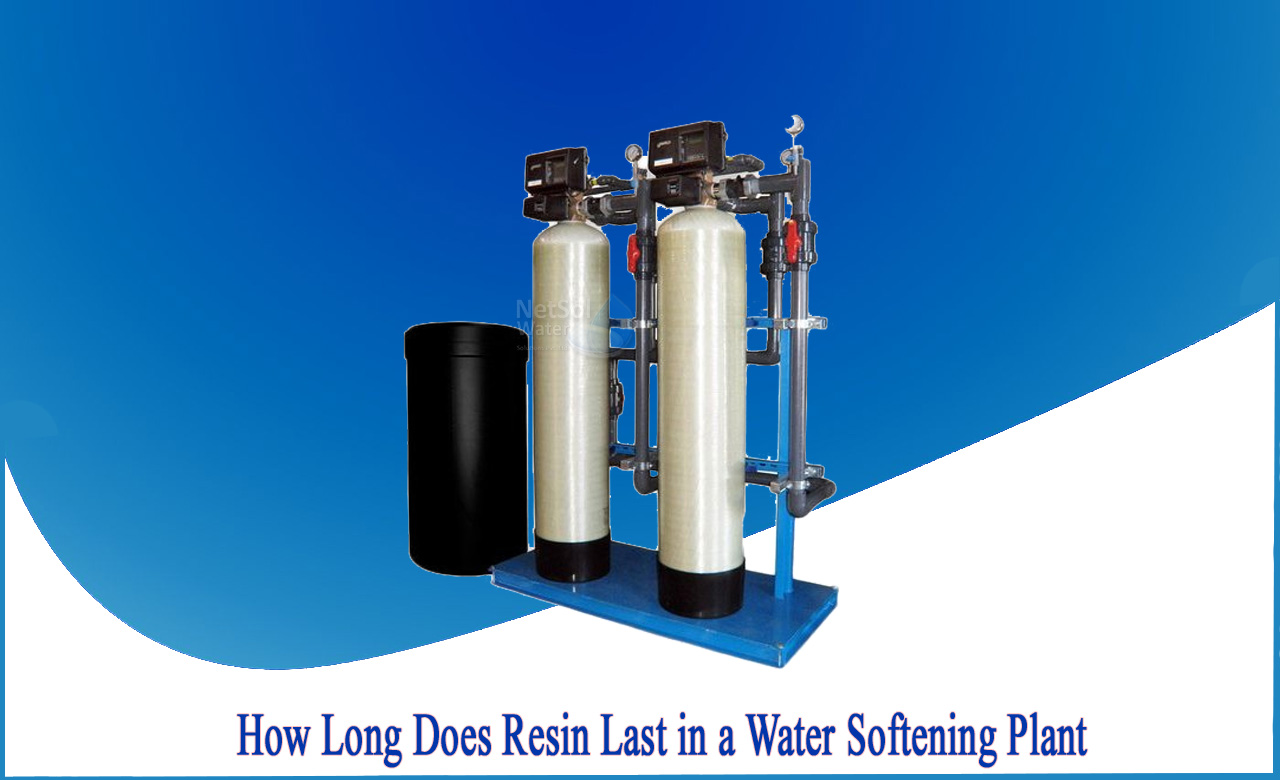 How long does resin last in a Water Softening plant
If your water turns brownish or has a sulfur smell (like rotten eggs), that’s the resin screaming for help. It’s probably coated in iron or bacteria, and no amount of salt can revive it.
Can You Cheat Time?
The good news? You can absolutely stretch the life of your resin with a little love. Using a pre-filter to catch chlorine and sediment is like giving your resin a sunscreen. It takes the brunt of the damage so the resin doesn’t have to.
Also, don’t skip cleaning the brine tank every year. Think of it as spring cleaning for your softener. Scoop out any salt sludge, give it a rinse, and let it dry. It’s a boring Saturday chore, but your future self—and your resin—will thank you.
For homes with really high iron, you can buy resin cleaner (a special chemical) that you pour in during regeneration. It breaks down the iron gunk like a good stain remover on a rug. Use it once or twice a year, and your resin might hit the 15-year mark.
What About Replacement?
If your resin is truly dead, you’ve got a couple of options. You can replace just the resin beads (a messy but cheap fix), or you can buy a whole new softener. If you’re handy, swapping resin is like changing a giant’s pillowcase—annoying, but doable.
 How Long Does A Water Softener Usually Last at Amber Polk blog
Most people just buy a new unit, especially if the old one is over a decade old. By that point, the valve and seals are also wearing out. It’s like trying to save a 12-year-old laptop with a new battery—sometimes it’s better to start fresh.
I once watched a YouTube video of a guy replacing resin, and he ended up with beads all over his laundry room floor. It looked like a tiny, plastic bean party gone wrong. Save yourself the stress and call a pro if you’re not into that kind of chaos.
Why Should You Care?
Because hard water is a quiet bully. It shortens the life of your water heater, makes your laundry feel stiff, and leaves soap scum on your shower door like a stubborn teenager. Healthy resin means softer skin, shinier hair, and dishes that actually sparkle.
Think about it: every time you wash a load of towels, you’re basically asking your softener to do a little dance. If the resin is worn out, the dance is clumsy, and your towels come out scratchy. You deserve fluffy towels, right?
So, keep an eye on your system. Test your water annually with a simple kit from the hardware store (it’s as easy as dipping a strip). If the hardness level climbs above 1 grain per gallon, your resin might be slipping. Don’t panic—just start planning.
At the end of the day, resin is a workhorse that asks for very little. A bit of salt, a clean home, and a filter friend. Treat it well, and it’ll keep your water soft for a nice, long time. And if you ever wonder, just remember: 10 to 15 years, but you’ve got the power to make it last. Now go check your brine tank—Jim would want you to.
