Does Distillation Remove Fluoride From Water

Let’s be honest: water can feel like a science experiment these days. Between the smart bottles, the pH strips, and the influencer-endorsed filters, you might wonder if you ne...
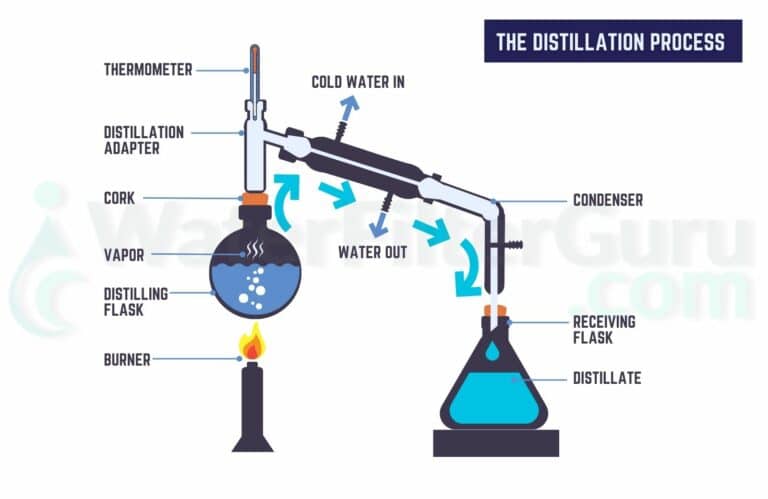
Let’s be honest: water can feel like a science experiment these days. Between the smart bottles, the pH strips, and the influencer-endorsed filters, you might wonder if you need a chemistry degree just to stay hydrated. One question that keeps bubbling up in the group chat is a big one: Does distillation actually remove fluoride from water?
The short answer is a confident yes. Distillation is one of the few home methods that can effectively strip fluoride from your tap water. This isn’t a gimmick; it’s physics doing its thing—slowly, efficiently, and without any fancy marketing.
The Party Trick Behind the Steam
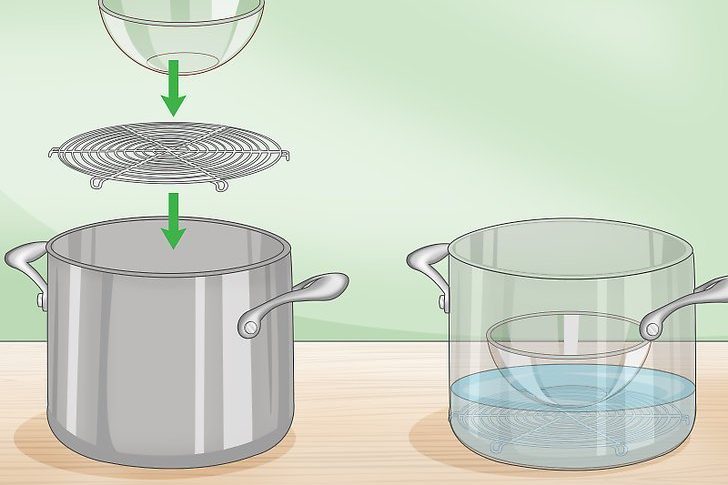
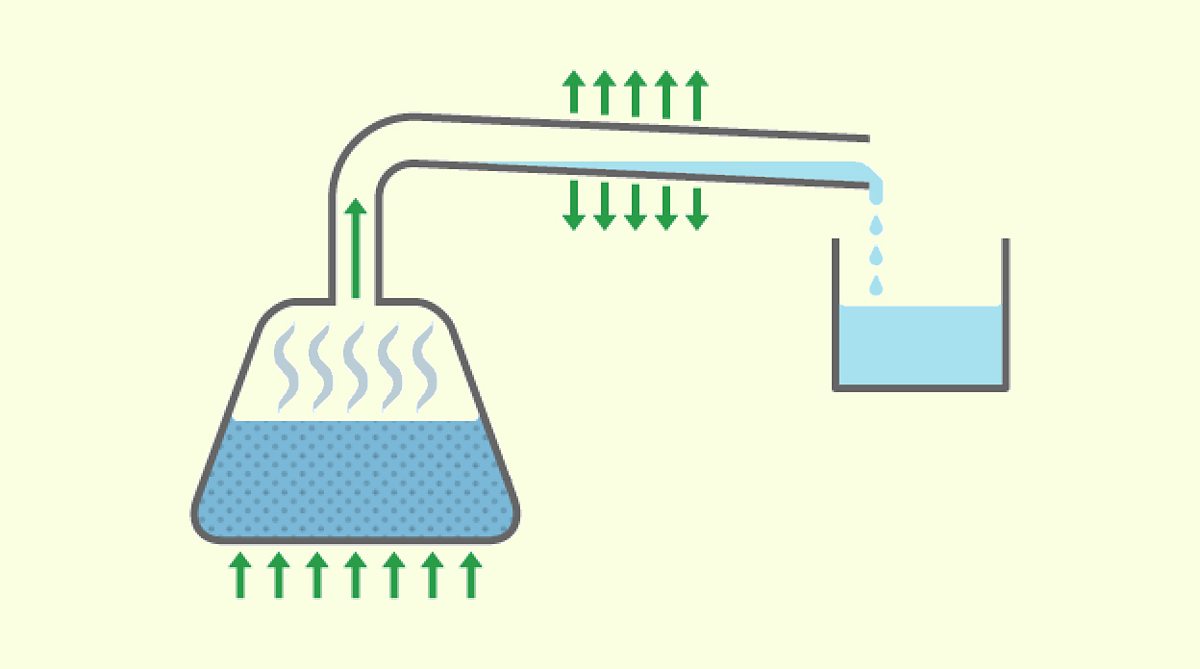
Imagine your water as a crowded party. Fluoride is that guest who clings to other minerals and doesn’t want to leave. Distillation works by boiling the water until it turns into steam, then cooling it back into a clean liquid. Since fluoride has a higher boiling point than water, it stays behind in the boiling chamber like a lonely wallflower. You get pure H₂O, and the fluoride takes a permanent rain check.
Must Read
Here’s a fun little fact for your next dinner party: Distillation removes 99.9% of fluoride, along with other nasties like lead, arsenic, and most bacteria. It’s basically the Swiss Army knife of water purification. But don’t expect it to be fast—good distillation is a slow burn, literally. A typical countertop unit might take four to six hours to produce a gallon of water. That’s slower than your Wi-Fi after a storm.
The Trade-Off: Pure, but a Little Lazy
Here’s where the lifestyle gets tricky. Distilled water is so pure that it can taste flat. Think of it as the decaf coffee of the water world—functional, but missing that spark. Some people describe it as “silent” or “empty.” That’s because distillation removes not just fluoride, but also the dissolved minerals like calcium and magnesium that give water its “body.”
If you’re used to the crisp kick of spring water, distilled might feel like a yawn. A simple fix? Add a pinch of Himalayan salt or a mineral drop after distilling. It’s like adding a sprig of mint to a glass of iced tea—small, but transformative. Or, just use your distilled water for coffee or tea brewing, where the flatness actually lets the flavor of the beans or leaves shine.
 Do Water Filters Remove Fluoride? Get the Facts | AWF
Is It Worth the Hype (and the Counter Space)?
That depends on your tribe. If you’re a health-conscious minimalist who loves a good kitchen gadget, a countertop distiller is your vibe. It’s quiet, almost meditative, with a gentle gurgle that feels more hygge than a white-noise machine. Brands like Megahome or Doulton are the Apple of this niche—sleek, reliable, and a little pricey, but they earn their spot on your shelf.
For the pragmatic water warrior, though, consider this: Reverse osmosis filters also remove fluoride, and they’re faster. But they waste more water (about three gallons for every one you drink). Distillation wastes nearly nothing—it’s just time. Time is the currency here. If you’re okay planning your hydration like a slow-cooker meal, distillation wins. If you need instant gratification, stick with a good carbon filter and pray it catches the fluoride (spoiler: most don’t).
A Quick Cultural Detour
You know who swore by distilled water? The ancient Greeks. They used solar distillation on ships to make seawater drinkable. And in the 19th century, posh Victorian households had “water distillers” as status symbols—the Stanley cups of their era. Today, it’s a quiet rebellion against the chemical cocktail that sometimes flows from municipal taps. It’s not about fear; it’s about control. You decide what’s in your glass, not the plant manager.
 Fluoridation - Water purification - GCSE Chemistry (Single Science
And let’s not forget the real cultural icon: the humble teakettle. In many East Asian households, boiling water for tea was tradition. Distillation is just that, but with a touchdown. If you’re a tea or coffee snob, distilled water is your secret weapon. It lets the true flavor notes of your matcha or Ethiopian pour-over sing without mineral interference. Your barista friends will sense your power.
Practical Tips for the D.I.Y. Hydrator
Ready to try it? Here’s the cheat sheet. First, never drink hot distilled water straight from the machine—it can leach metals from cheap containers. Let it cool in a glass or stainless steel carafe. Second, store it in glass if possible. Plastic can slowly release microplastics into the pristine water. And third, know that distilled water is not for everyone—if you have a diet low in minerals (think vegan or processed foods), drinking only distilled can leach minerals from your body over time. Balance is key.
Use it for your morning coffee, your houseplants (they’ll thrive without fluoride), and your steam iron. For everyday drinking, mix it with a splash of mineral water or add an electrolyte tablet. It’s like being a cocktail bartender for your own hydration.
The Verdict: Chill, Hydrate, Repeat
So, does distillation remove fluoride? Yes, it does. But here’s the reflection that ties it to daily life: Perfect purity is overrated. Distilled water won’t fix a bad diet, a stressful job, or a broken sleep cycle. What it can do is give you a small, tangible ritual—a choice that says, “I care enough to slow down and be curious about what I put in my body.” In a world of instant everything, letting a machine gently boil and condense water for hours is almost rebellious. It’s a reminder that the best things in life—like a quiet evening, a good book, or a glass of perfectly clean water—take a little time. Cheers to that.
