Does Drinking Hard Water Cause Kidney Stones

So, you’ve heard the rumor: that hard water—the kind that leaves chalky rings in your kettle—is secretly plotting to give you kidney stones. It sounds like a villain origin st...
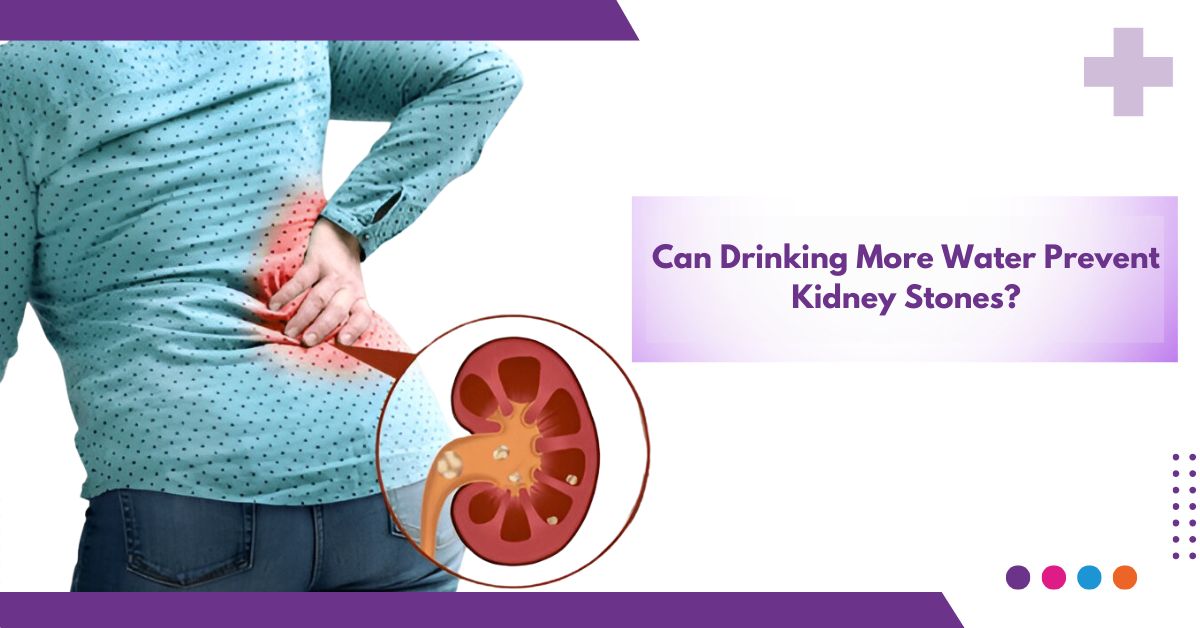
So, you’ve heard the rumor: that hard water—the kind that leaves chalky rings in your kettle—is secretly plotting to give you kidney stones. It sounds like a villain origin story, doesn’t it? Before you toss your tap water and start a panic-buy of bottled water, let’s take a breath and look at the science with a little humor. Spoiler: you probably don’t need to fear your faucet.
The Big Scary Myth: Calcium = Kidney Stones?
Here’s the core of the panic: hard water is packed with calcium and magnesium. And kidney stones are often made of calcium oxalate. So, logically, drinking calcium must mean you’re brewing stones in your belly, right? Wrong. This is one of those rare cases where gut instinct leads you completely astray.
Fun fact: most kidney stones form because of a deficiency in calcium absorption, not an excess. Your body actually needs dietary calcium to bind with oxalates in your gut and flush them out. Without enough calcium? Those oxalates sail into your kidneys and crystallize. Plot twist: hard water might be your bladder’s bodyguard.
Must Read
What the Science Actually Says
Studies on hard water and kidney stones are surprisingly inconclusive and often reassuring. A massive 2020 review in the journal Nutrients found no strong link between drinking hard water and stone formation. In fact, some research hints that magnesium in hard water may actually inhibit crystal growth. Your kidneys aren’t a science experiment gone wrong—they’re surprisingly resilient.
But wait—there’s nuance! If you’re genetically prone to stones, excessive calcium intake (like from supplements) can be a problem. But the calcium in tap water? It’s a tiny fraction of what you eat in a slice of cheese. You’d need to drink a swimming pool’s worth to worry. So relax, pour yourself a glass, and stop blaming the mineral-rich stuff for a problem that’s usually about dehydration or diet.
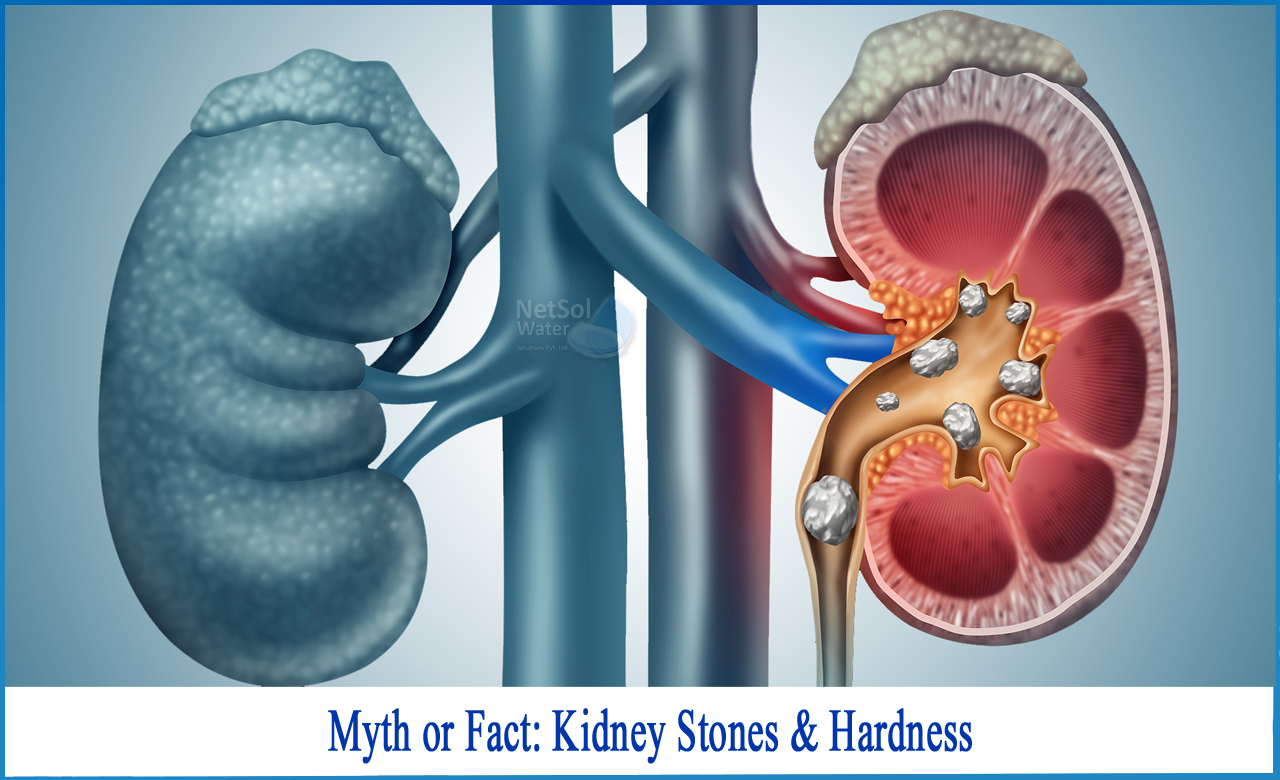 Can Hard Water Cause Kidney Stones - Netsol Water
Why This Myth Persists (and Why It’s Actually Fun to Dismantle)
We love a good villain, don’t we? Hard water is an easy target because it leaves spots on dishes and makes soap feel weird. It’s tangible. Kidney stones? They’re painful, mysterious, and scary. So we connect the dots—but we draw them backward. The real culprit behind most stones is not enough water, period. Hard water isn’t the assassin; dehydration is the mastermind.
Here’s where it gets fun: you can turn this myth into a little party trick. Next time someone gripes about hard water at a dinner party, you can say, “Actually, it might save you from stones!” Watch their eyebrows shoot up. You’ll sound like a wizard of wellness. And you’ll be right—almost.
But What If You’re Still Worried?
Okay, let’s be real. If you have a history of kidney stones, a doctor might still suggest limiting dietary calcium from supplements or certain foods. But tap water is rarely the enemy. The biggest stone risk factor is not drinking enough fluids. And guess what? If you hate the taste of hard water and skip drinking it, you’re doing more harm by staying dehydrated. Hydrate, hydrate, hydrate—that’s the secret.
 The Truth About Hard Water and Kidney Stones
Pro tip: Add a squeeze of lemon or lime to your water. The citrate in citrus naturally helps break up small calcium crystals before they become stones. So you’re not just fighting the myth—you’re weaponizing your water. Take that, rumor mill!
The Uplifting Takeaway
Life is too short to fear your own faucet. Hard water isn’t a curse; it’s just minerally water with a bad PR team. Your kidneys are incredible, adaptable organs that handle far more complex chemistry than a splash of calcium. So go ahead—boil your kettle, drink your tap water, and laugh at the notion that a little white residue is plotting your demise.
Here’s the inspiring part: curiosity about small things—like the water you drink—can lead to big revelations. Every myth you bust makes you a little wiser, a little more skeptical in the best way. And you’ll approach life with a smile, knowing that the world is less scary than it seems. Stay hydrated, stay curious, and keep questioning—your kidneys (and your sense of wonder) will thank you.
