How Much Water Should Be In A Water Softener

So, you’ve got a water softener. Good for you. You’re basically living like royalty, with soap that actually lathers and skin that doesn’t feel like sandpaper. But then you gl...
So, you’ve got a water softener. Good for you. You’re basically living like royalty, with soap that actually lathers and skin that doesn’t feel like sandpaper. But then you glance at the salt tank and wonder, “How much water should actually be in here?” You’re not alone. It’s the kind of question that hits you mid-mop, like “Why does my left sock always disappear?”
First off, let’s get one thing straight: your water softener is not a swimming pool for tiny, salty fish. It’s a brine tank, and it’s supposed to have water, but only at the right level. Think of it like your morning coffee—too little water, and you get bitter concentrate; too much, and you’re left with weak, watery regrets. The sweet spot is half to two-thirds full of water.
The “Where’s My Salt?” Panic
You might lift the lid and see water sitting there. Your first instinct? Panic. You’ll think your softener is flooding, or that a family of frogs has moved in. I’ve been there. I once stared at a tank full of water and called my dad, convinced I needed a plumber and a priest. He laughed and said, “That water is supposed to be there, you goose.” The water dissolves the salt to make brine, which is what actually cleans the resin beads inside your softener.
Must Read
So, relax. A little water is a good thing. It’s the softener’s way of saying, “I’m ready to work.” But how much is “a little”? If the water level is higher than the top of the salt pile—like a flooded basement after a storm—you’ve got a problem. That means your salt isn’t dissolving properly, or you’ve got a clog. You want the water to be just below the salt level, like a marshmallow sitting in hot chocolate.
The “Salt Bridge” Saga
Here’s a fun one: sometimes the salt forms a hard crust on top of the water. It looks solid, like a frozen pond, but it’s just a salty lid. Beneath it, the water is down low, and your softener is starving. You’ll hear the thing chugging away, doing nothing, like a hamster on a wheel made of boredom. I once broke a plastic shovel trying to break one open. Use a broom handle. Gently poke it, and you’ll hear a satisfying crunch. That’s the sound of success.
The fix for a salt bridge is simple: break it up, scoop out the loose chunks, and add fresh salt. The water will settle back to its happy, half-full state. It’s like fluffing a pillow after your cat has slept on it for a week. Not glamorous, but necessary.
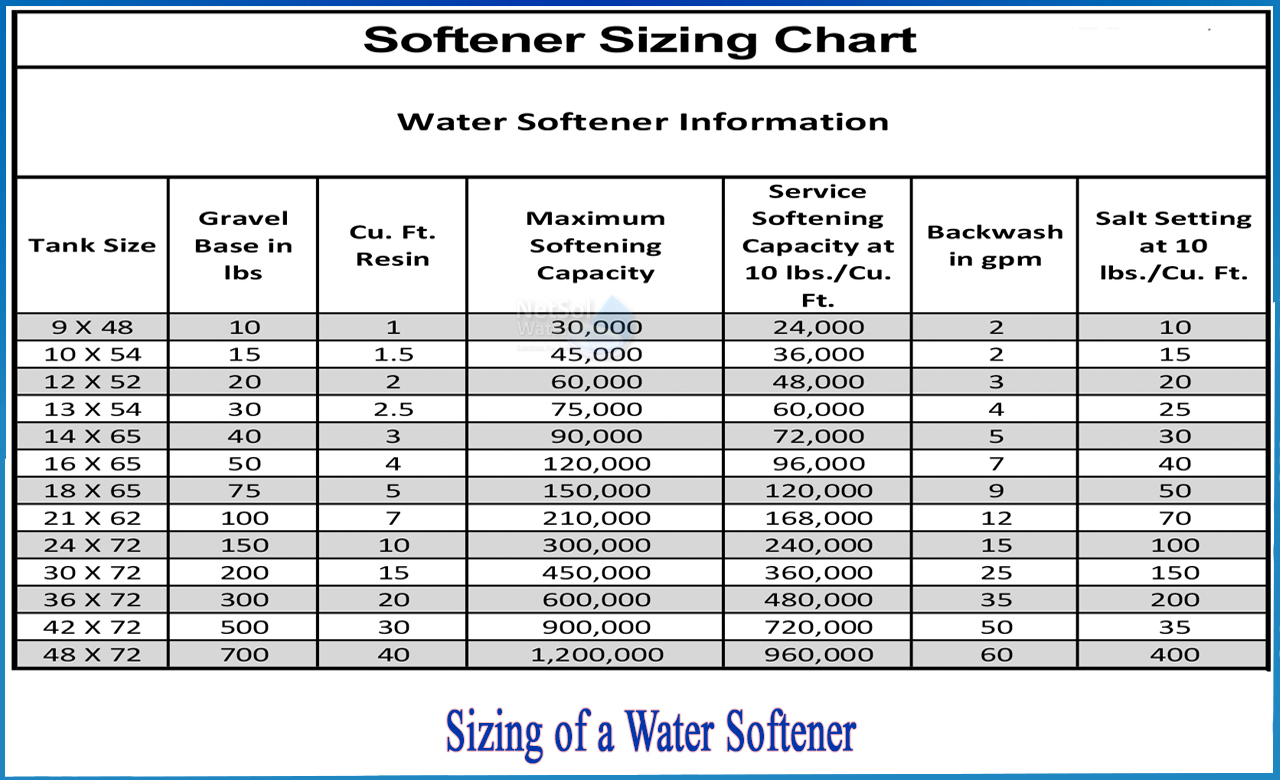 Aquasure Water Softener Calculator – YATRV
The “Too Much Water” Crime Scene
Now, what if you lift the lid and see water all the way to the rim? That’s a red flag. It means your softener is stuck in a regeneration cycle, or the float valve is jammed. Picture a toilet that keeps running—same vibe, saltier water. If you see this, you might need to clean the float or call a pro. Don’t stick your arm in there unless you want to smell like a pickle’s bathtub for a week.
On the flip side, if the tank is bone dry, that’s also bad. A dry tank means no brine, which means your water is getting zero softening. Your shower will feel like you’re washing off with chalky static. I learned this the hard way when my girlfriend asked, “Why does my hair feel like straw?” The answer: no water in the brine tank. That night, I poured a bucket of water in and apologized to the plumbing gods.
The “Set It and Forget It” Myth
People think water softeners are like slow cookers—you fill them with salt and walk away forever. They’re not. They’re more like a needy houseplant. You have to check the water level every month or two. Lift the lid. Look at the water. If it’s below the salt, you’re golden. If it’s above, poke around. If it’s dry, pour some in. Don’t overthink it. Most tanks have a fill line or a mark inside, like the measuring cup your grandma uses for pancake mix.
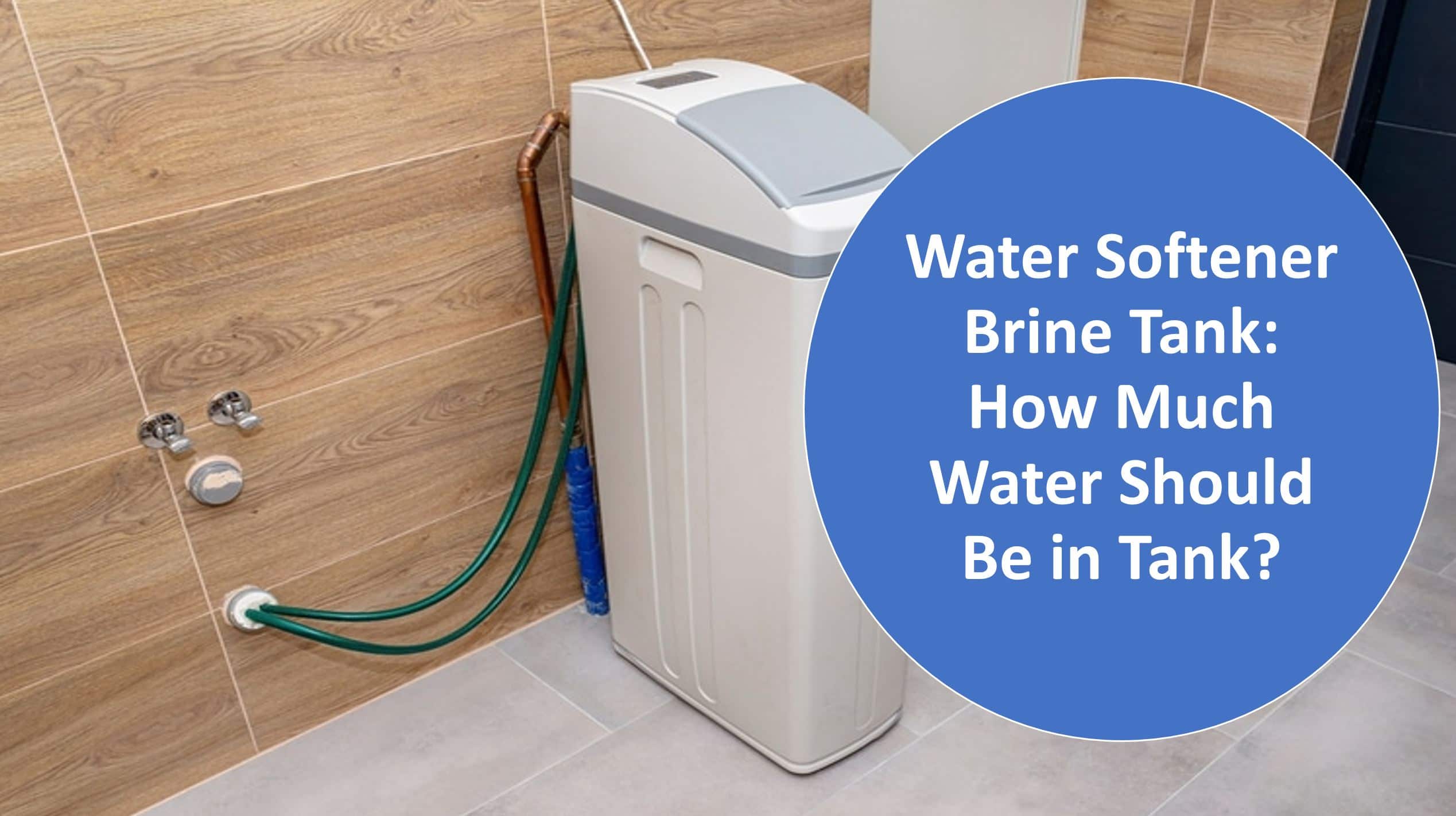 Water Softener Brine Tank Water – CMRNG
Here’s a pro tip: use the “salt dosage” setting on your unit. If you set it higher, you’ll use more water during regeneration. If you set it lower, less water. The manual will tell you the sweet spot, but if you’re lazy like me, just aim for the half-full look. Your softener will forgive you.
The Final Splash
So, to answer the question you came here for: How much water should be in a water softener? Enough to cover the bottom third of the tank, but not so much that it’s kissing the lid. If the salt is a mountain, the water is the snowline—present, but not dominating. It’s the perfect ratio, like the amount of frosting on a cupcake.
Now, go check your tank. Give it a nod. Maybe whisper, “You’re doing great, buddy.” And if you see water where it shouldn’t be? Grab a broom handle, take a deep breath, and remember: you’re not fixing a machine; you’re maintaining a lifestyle. A soft-water lifestyle. And that’s worth a little splash of investigation.
