How Much Salt Do You Put In A Water Softener

Let’s be honest: nobody wakes up thinking, “Gee, I can’t wait to measure salt for my water softener.” It’s the kind of chore that feels like a punishment for owning a house. B...
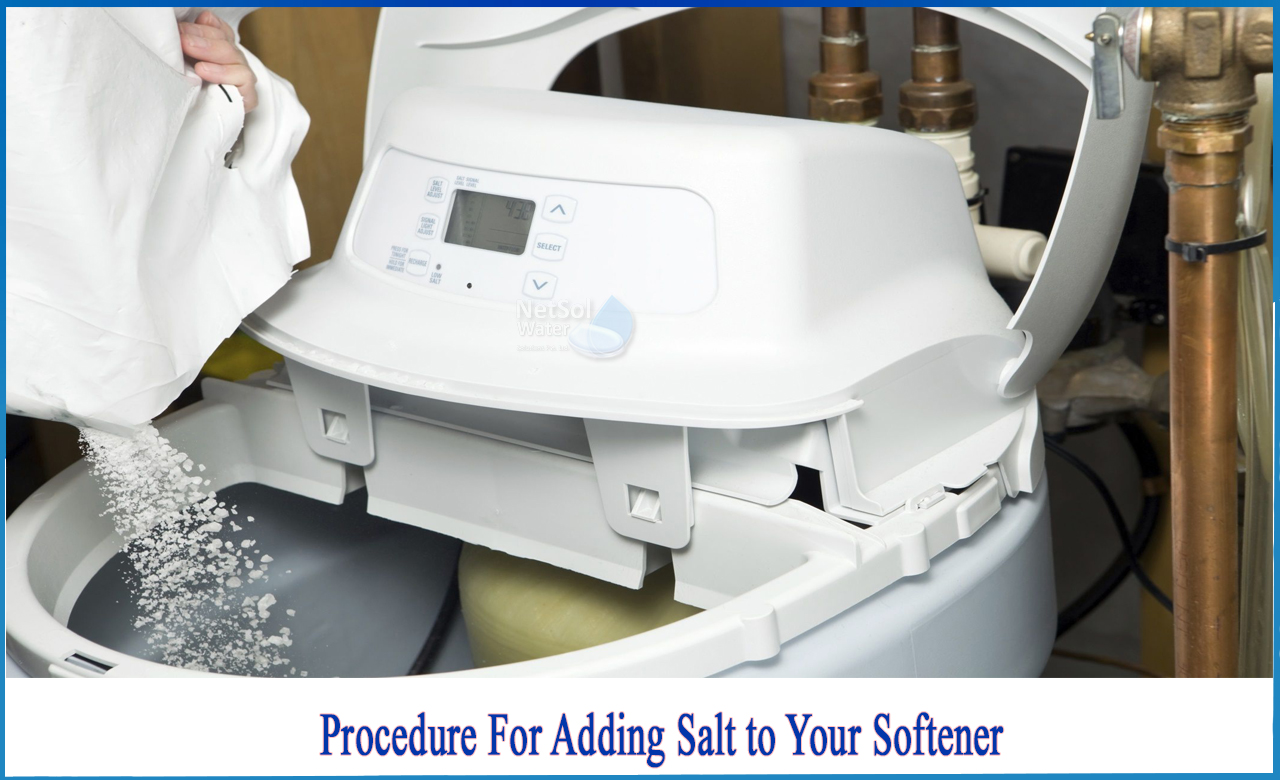
Let’s be honest: nobody wakes up thinking, “Gee, I can’t wait to measure salt for my water softener.” It’s the kind of chore that feels like a punishment for owning a house. But here’s the thing—if you get it wrong, your water turns into a chalky nightmare. Or worse, you waste money on salt that does absolutely nothing.
First, the big question: how much salt do you actually put in? The answer is simpler than you think, and it doesn’t require a degree in chemistry. The short version: fill it about halfway. Yes, halfway. Not to the brim, not down to the last grain—just half.
Now, why halfway? Because your water softener isn’t a soup pot. It needs room to breathe. If you cram it full, the salt can “bridge,” which is a fancy term for turning into a solid, crusty disaster. Imagine a giant salt cookie glued to the inside of your tank. That’s what bridging looks like, and your softener will just laugh and stop working.
Must Read
The Goldilocks Zone of Salt Levels
The exact amount depends on the size of your brine tank. Most household units hold between 50 and 100 pounds of salt. But I’m not asking you to do math—just look inside. The salt level should be above the water level, but below the top rim of the tank.
If you see the water line is higher than the salt, you’ve already gone too far. That’s the “oops-I-bought-too-much-softener” mistake. Add more salt until it’s about 6 to 8 inches from the top. That’s your sweet spot.
What Happens If You Put Too Little?
You’ll get hard water, which is like taking a shower in a limestone cave. Your hair will feel like straw, your dishes will have spots, and your pipes will slowly turn into rock candy. It’s not a good look. Too little salt means the softener can’t regenerate properly, so your water stays as hard as a physics exam.
What About Too Much? (The “All-You-Can-Eat” Mistake)
Piling salt up to the top of the tank is like forcing a kid to eat the entire birthday cake. The softener can’t handle it. The extra salt just sits there, clumping together, and you’ve effectively created a salt skyscraper. That’s money down the drain—literally.
 Effective Steps for Adding Salt to Your Water Softener: A Complete User
Fun fact: water softener salt is roughly $10 per bag. If you overfill, you’re just paying for a sculpture you’ll never use. And it won’t even look cool.
The Surprising Science of Salt Types
Not all salt is created equal. You’ve got pellets, crystals, and blocks. Pellets are the standard—they dissolve evenly and don’t turn into mud. Crystals? They’re fine, but they can leave a sludge. Blocks are for people who enjoy puzzles, because they sit in a basket and slowly erode.
Here’s a shocking fact: you can use any salt as long as it says “water softener salt” on the bag. But don’t get clever with table salt—it has additives that will ruin your machine. The same goes for rock salt meant for de-icing driveways. That stuff has dirt and sand, and your softener will file a complaint.
The “Oh, Crap” Moment—When You Forget to Check
You’re human. You’ll forget. I forgot last month, and my water turned into something that tasted like wet pennies. The fix is easy: check the salt level once a month. Mark it on your calendar next to “pay taxes” and “water the dead plant.” It takes 30 seconds.
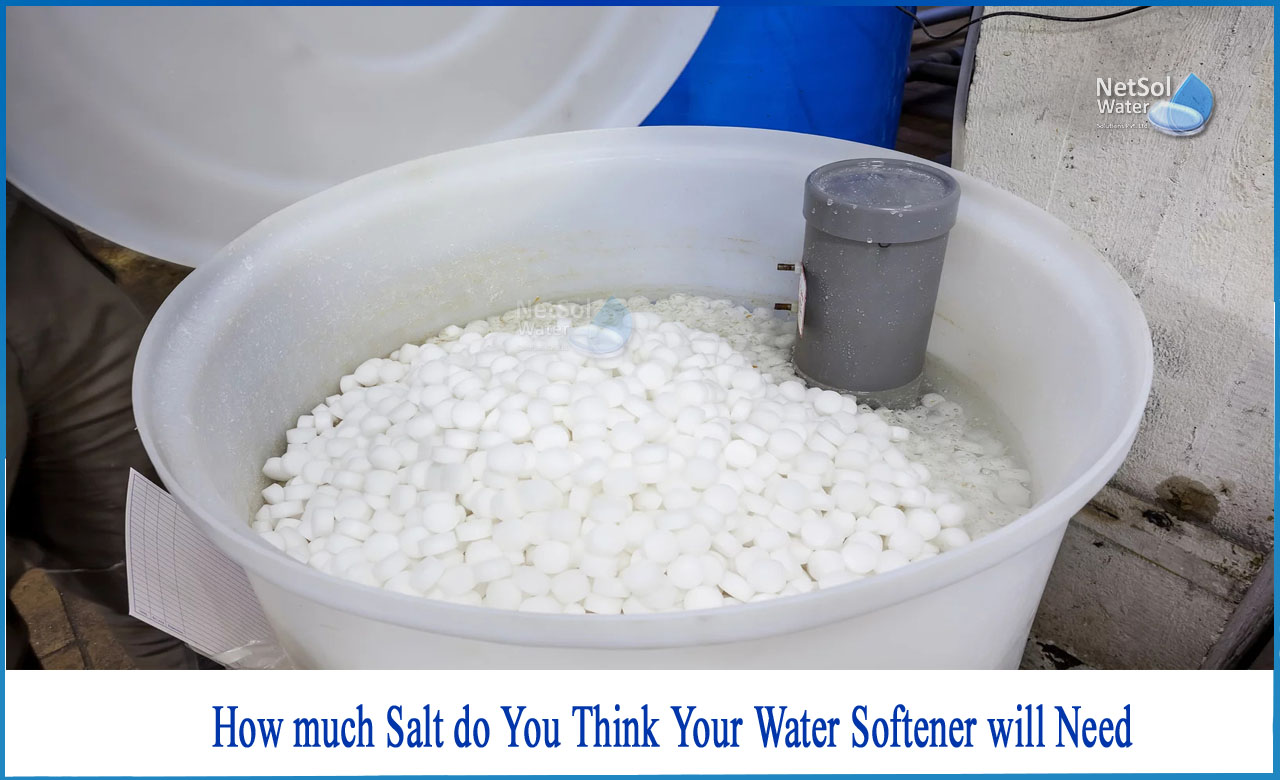 Water Softener Add Salt To Water at Wilda Talley blog
But here’s the secret trick: most modern softeners have a low-salt sensor. If you see a blinking light or a beep, that’s your machine crying for help. Listen to it. It’s cheaper than a divorce from your plumbing.
The One Rule That Bends All Others
Some experts will tell you to never let the salt drop below the water line. But if you’re busy and it happens, don’t panic. Just add a bag of salt and let the softener do its thing. It’s not a crisis—it’s a gentle reminder that your home appliance needs a snack.
And if you really want to get fancy, buy kosher salt in bulk? No, that’s a joke. Don’t do that. Stick to the water softener aisle. Your marriage to your water heater depends on it.
The Takeaway (Salt-Free, Obviously)
Here’s your cheat sheet: fill the tank halfway, use water-softener-specific salt, and check it monthly. If your water is suddenly hard, add a bag. If it’s still hard, you might have a bigger problem (like a broken valve, which requires a plumber and possibly a small sacrifice to the appliance gods).
Remember: salt is cheap; replacing a water softener is not. So go ahead, toss in a bag or two. Your hair will thank you, your dishwasher will stop plotting against you, and you’ll have one less reason to feel like an adulting failure. Now go pour that salt—but not too much. You’re not a salt factory.
