What Is The Optimal Amount Of Water To Drink

Let’s be real: the whole “eight glasses a day” rule feels like that one friend who insists on taking a group photo ten times. You nod along, but deep down, you suspect it’s mo...

Let’s be real: the whole “eight glasses a day” rule feels like that one friend who insists on taking a group photo ten times. You nod along, but deep down, you suspect it’s more about control than actual science. So, what’s the real story on water? Spoiler: it’s less about a magic number and more about listening to your own, gloriously weird body.
The Myth of the Magic Number
That famous eight-glasses rule? It actually might trace back to a 1945 recommendation that said we need about 2.5 liters daily. The catch? That advice added that most of this water comes from food, not just your trusty S’well bottle. We conveniently forgot that second part, and boom—hydration dogma was born.
Your coworker who chugs a gallon a day isn’t necessarily wrong, but they’re not a universal model either. Age, climate, activity level, and even how much you sweat during a hot yoga class all change your personal equation. Think of your body as a custom sports car, not a stock sedan; you wouldn’t use the same fuel gauge for both.
Must Read
Your Body’s Smart Hydration System
Here’s a fun fact: your brain is basically a water-quality control manager. The hypothalamus detects even a 1% drop in fluid balance and sends out a thirst signal. That dry mouth? That’s your internal CEO calling a priority meeting. Ignoring it is like putting “Reply Later” on your boss.
But wait—is thirst a reliable guide? For most healthy people, yes. The issue arises when we’ve trained ourselves to multitask through hunger, boredom, and thirst until they all blur together. A quick check: if you’re “hungry” but would turn down an apple, you’re probably just thirsty.
The urine color test is your low-tech bestie. Aim for a pale, lemonade hue. Dark like apple juice? Sip up. Crystal clear? You’re overdoing it—and yes, you can over-hydrate, risking a rare but real condition called hyponatremia (diluting your blood sodium). Moderation, darling.
Culture, Coffee, and That One Friend
We’ve all heard the myth: coffee dehydrates you. Actually, modern research shows that caffeinated beverages contribute to your daily fluid intake, not subtract from it. Your morning latte counts! Of course, if you drink eight espressos, you’ll have other problems—mostly involving vibrating through walls.
In many cultures, water isn’t just gulped alone—it’s a social lubricant. Think of Japanese oshibori (cold towels) before tea, or the Italian ritual of sipping acqua liscia (still water) with a meal. Water isn’t just fuel; it’s a pause button. A glass of water after a stressful call? That’s a tiny, liquid reset.
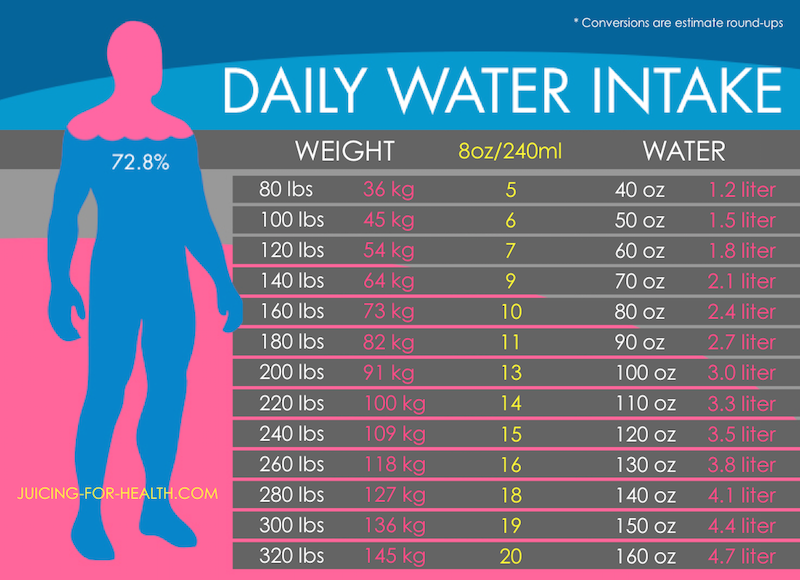 How Much Water Should You Drink Daily To Keep Hydrated?
Let’s also give a nod to influencers who carry gallon jugs decorated with motivational time markers. It’s a great visual, but for most of us, it’s overkill. A 500ml bottle refilled three times a day works beautifully—and you won’t need a loan to buy a hydration backpack.
Practical Tips to Actually Drink (Without Forcing It)
Tip one: attach water to a habit. Drink a glass when you first pee in the morning, when you brew coffee, and right before you leave for work. Stacking it onto existing routines makes it feel less like a chore and more like a default setting.
Tip two: play with flavor. Add cucumber, mint, or a splash of lemon. Plain water is fine, but let’s be honest—sometimes it’s boring. A little zest makes you actually want to reach for it, and hydration becomes a treat, not a task.
Tip three: eat your water. Watermelon, cucumber, strawberries, and zucchini are over 90% water. A bowl of gazpacho on a hot day? That’s practically IV therapy from a spoon. Food counts. Don’t forget that your morning oatmeal, yogurt, or even soup also chips in.
The Golden Equation
If you want a formula that actually works for most people, try this: your body weight in pounds, divided by two, equals the ounces of water you should aim for. A 150-pound person needs about 75 ounces daily. Adjust up for exercise or heat, down for sedentary days. It’s flexible—like your favorite jeans after Thanksgiving.
 how many litres of water should i drink - Chloe Hamilton
Another fun fact: your lungs lose about a cup of water each day just from breathing. That’s right—every sigh, every laugh, every sneeze is a tiny, invisible water loss. Your body is a leaky, brilliant system. It’s constantly cycling, adjusting, and asking for what it needs.
And remember: thirst peaks later than actual dehydration in some people, especially older adults. If you’re over 60, you might need to consciously sip even when you don’t feel parched. It’s not nagging; it’s graceful maintenance.
A Short Reflection for Your Daily Life
Next time you’re staring at a full water bottle, resist the urge to chug it like a competitive contestant. Instead, take three slow sips. Feel the coolness hit your throat. Notice how your shoulders drop, just a little. Hydration is not a performance; it’s a quiet conversation between you and your cells.
You don’t need to be a water sommelier or download a hydration app. You just need to remember that your body is a wise, messy, miraculous organism that has been doing this since you were a tiny, wiggly collection of cells. Trust it. Drink when you’re thirsty, eat your veggies, and let go of the rigid rules. Your inner liquid self will thank you.
And if you still feel the urge to overthink it? Take a sip. Then dance in the kitchen. Life’s too short for dehydration—or dogma.
