What Is A Good Water Softener For Well Water

Okay, let’s talk about well water. You know, the stuff that comes straight from the earth, not from some municipal pipe? It’s great and all, but sometimes it comes with uninvi...
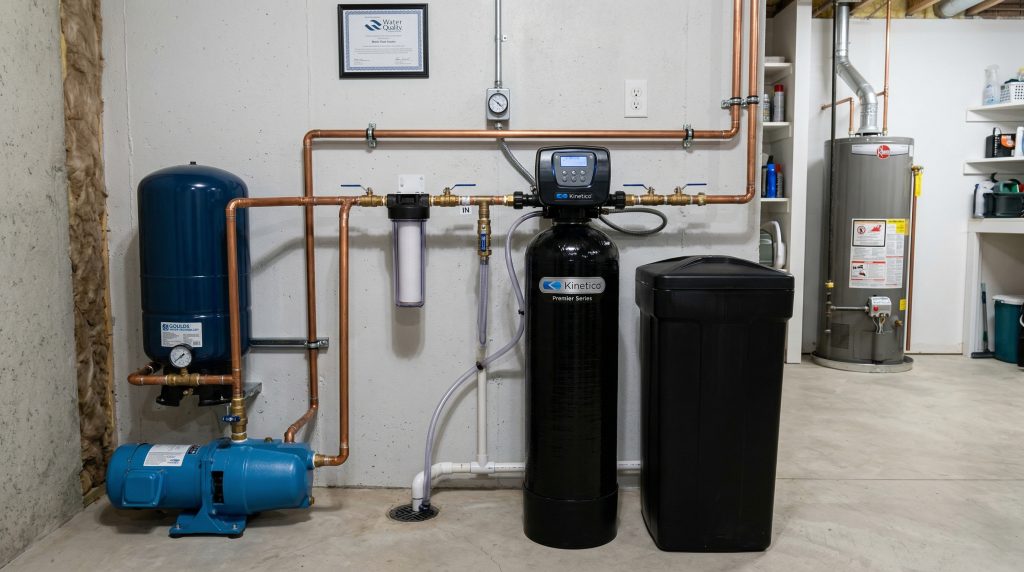
Okay, let’s talk about well water. You know, the stuff that comes straight from the earth, not from some municipal pipe? It’s great and all, but sometimes it comes with uninvited guests. We’re talking about minerals, sediment, and that awful, crusty scale. If you’ve got a well, you’ve probably asked yourself: “Do I need a water softener for this chaos?” The short answer is a huge, resounding yes. But picking the right one? That’s the real adventure.
The Problem with “Free” Water
Well water is like a box of chocolates—you never know what you’re gonna get. It can be loaded with iron, manganese, calcium, and magnesium. These guys are the ones causing that hard water nightmare.
You know the signs: shower doors that look like they’ve been frosted, laundry that feels scratchy, and a weird metallic taste in your coffee. It’s not you. It’s your water being a total drama queen. A good softener kicks those minerals to the curb.
Must Read
But here’s the catch: not all softeners are built for the unique chaos of well water. A standard city-water softener might just give up and cry in a corner. You need something tougher. Something that laughs in the face of sediment.
What Makes a Softener “Good” for Well Water?
First up, you want a system with a pre-filter. Think of it as the bouncer at a club. It stops dirt, sand, and rust from crashing the softener party. Without it, your fancy softener gets clogged faster than a drain in a hair salon.
Next, look for high-efficiency resin. Well water often has iron, which can destroy regular resin beads. You need beads that are like superheroes—they can handle the rust without breaking a sweat. Brands like Fleck or Clack valves are the gold standard here.
And please, please avoid those all-in-one “portable” gizmos from a late-night infomercial. They’re great for an RV, but for a well? That’s like bringing a water pistol to a firefight. You need a whole-house, heavy-duty unit.
The Iron Factor (It’s a Big Deal)
Here’s where it gets spicy. Is your water turning orange or leaving red stains? That’s iron, and it’s the silent killer of appliances and laundry. A basic softener can handle a little iron (up to 2-3 parts per million, if we’re getting nerdy).
If you’ve got more than that, you need a specialized softener or a separate iron filter. Some systems, like the WaterBoss or Fleck 5600 SXT, have built-in iron-cleaning cycles. They’re like having a tiny janitor scrub your pipes every night.
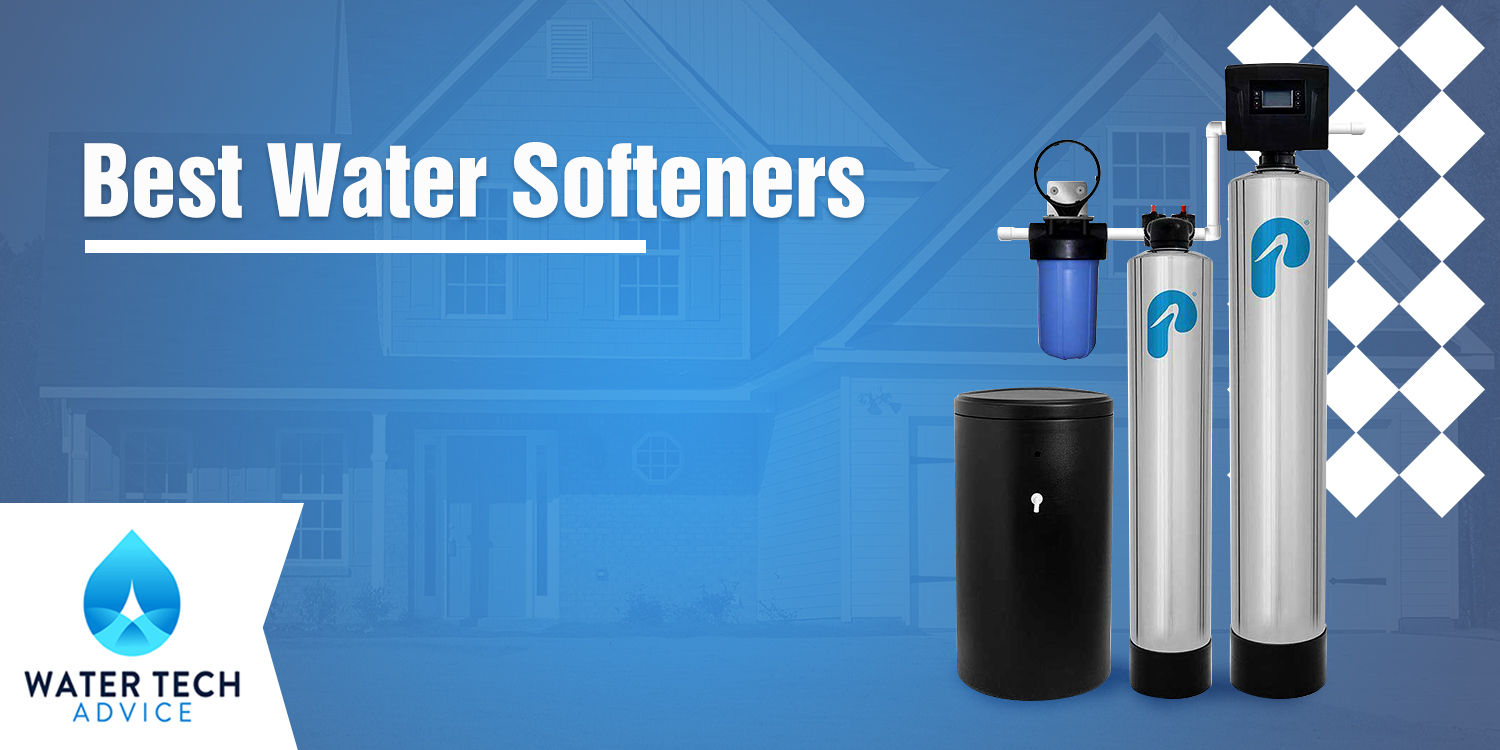 5 Best Water Softeners For Well Water – CBPG
Don’t skip on a water test kit. They’re cheap, and they’ll tell you exactly how much iron you’re dealing with. Trust me, you don’t want to guess. Guessing is for lottery tickets, not your drinking water.
Salt or No Salt? That is the Question
Most well water softeners use salt-based ion exchange. It’s the old-school, proven method. You dump in bags of salt, it works its magic, and you get silky-smooth water. But it does add a tiny amount of sodium to your water—not a big deal unless you’re on a strict heart-health diet.
There are also salt-free conditioners. They don’t actually remove minerals; they just change their shape so they don’t stick to your pipes. For well water? Meh. They’re okay if you have low hardness, but they struggle with iron and high mineral loads.
My vote? Go salt-based. It’s reliable, it’s powerful, and it’s what every well-owning friend of mine swears by. You can always pair it with a reverse-osmosis system for your drinking faucet if you’re worried about sodium.
Size Matters (Don’t Be Shy)
Softener sizing isn’t about your ego—it’s about grain capacity. This number tells you how much hardness the unit can remove before it needs to recharge. For a family of four on well water, you probably need a 40,000-grain unit or larger.
Too small, and the softener regenerates constantly, wasting water and salt. Too big, and you’re wasting money and space in your basement. Find the Goldilocks zone by checking your household’s daily water use. It’s boring math, but it pays off.
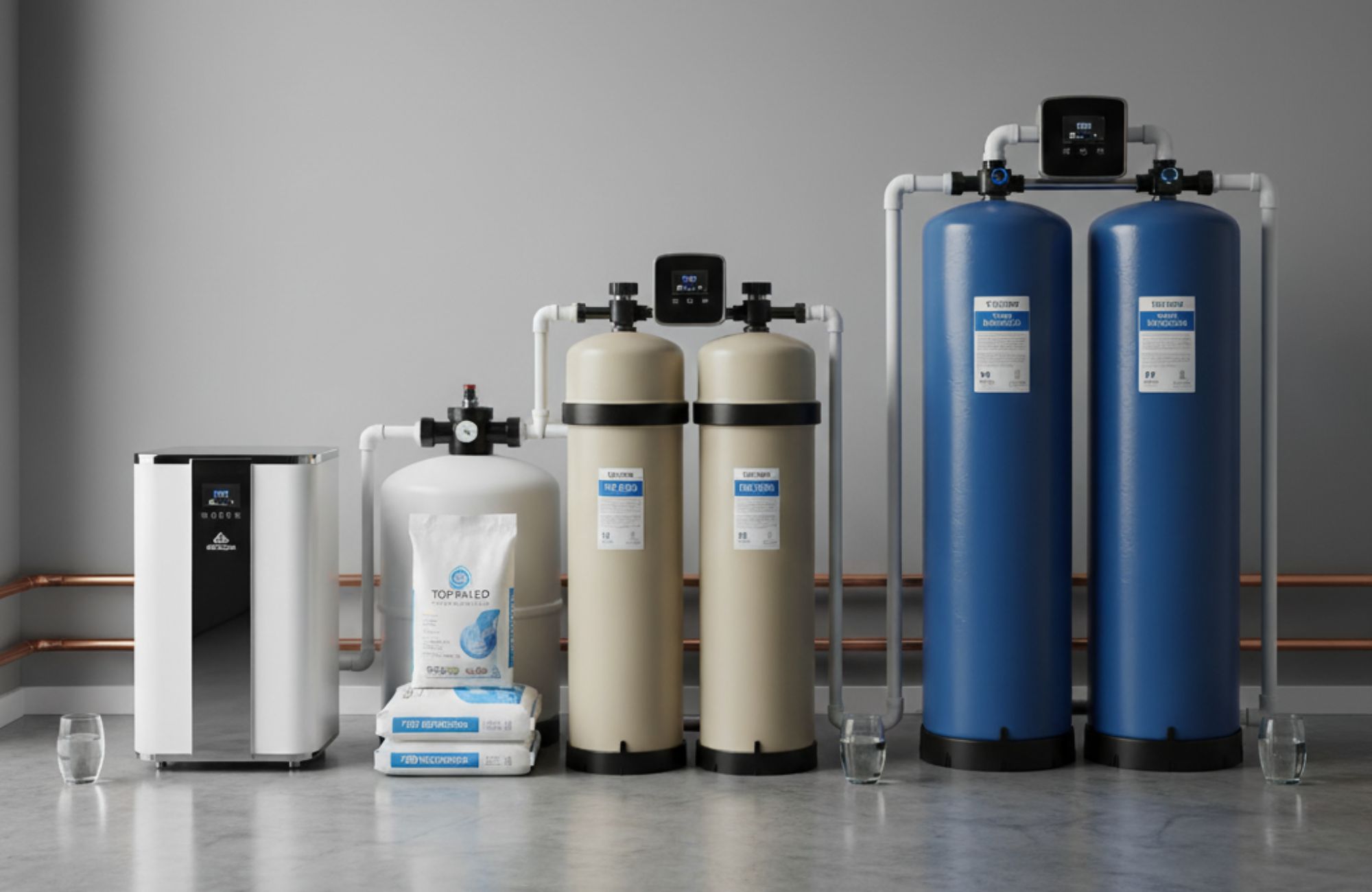 Best Water Softener Systems in Wolcott, CT (2025) - Housatonic Valley
Pro tip: Look for a system with a metered valve. It only regenerates when it actually needs to, not on a dumb timer. That’s like having a smart fridge instead of one that defrosts every Tuesday whether you need it or not.
The Elephant in the Room: Installation
Are you handy? Do you enjoy cutting pipes and playing with electrical wiring? No? Then hire a pro. Well water softeners need careful hookup, often with a drain line and a bypass valve.
If you insist on DIY, look for a “plug-and-play” kit. These come with clear instructions and sometimes even a color-coded hose. But remember: one wrong connection, and you’re not softening water—you’re flooding your laundry room.
I once tried to install one myself. Let’s just say my floor learned a lot about French drains that day. Save yourself the headache and pay a plumber. Your sanity is worth the $200.
Final Sip of Coffee
So, what’s a good water softener for well water? It’s one that fights iron, has a pre-filter, and comes from a brand that’s been around the block. Don’t get seduced by shiny marketing. Stick with names like Fleck, Clack, WaterBoss, or Aquasure.
Test your water first. Don’t skip that step. Then, buy a system that matches your chaos level. You’ll get soft skin, clean glasses, and coffee that tastes like coffee, not a metal spoon.
Now go forth and soften that well water. Your shower head—and your laundry—will thank you. And if you mess it up? Hey, that’s what YouTube tutorials and sympathetic plumbers are for.
