What Is The Average Life Of A Water Softener

So, you’ve got a water softener. That glorious, salt-guzzling, hard-water-fighting machine that lives in your basement or garage, quietly turning your shower from a chalky nig...
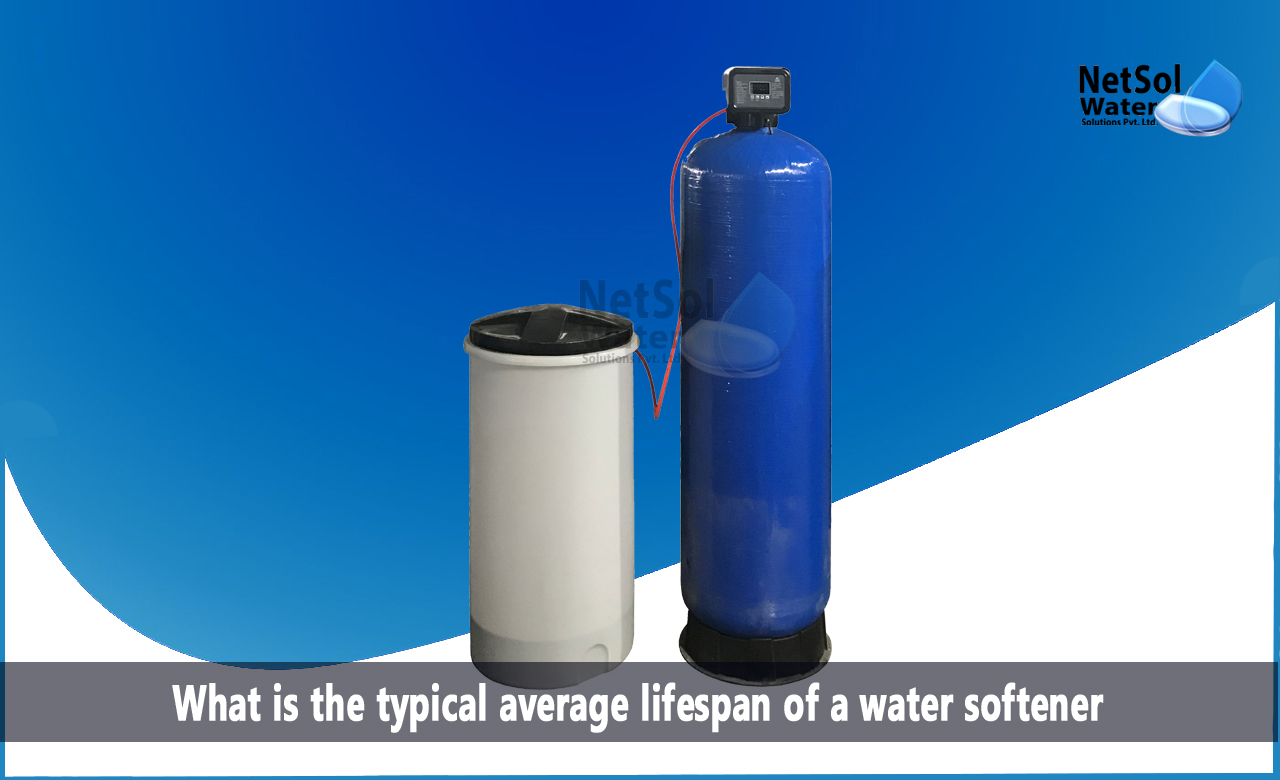
So, you’ve got a water softener. That glorious, salt-guzzling, hard-water-fighting machine that lives in your basement or garage, quietly turning your shower from a chalky nightmare into a silky dream. But for how long? Let’s get down to the hard (pun intended) truth: the average life of a water softener is about 10 to 15 years. That’s longer than most Hollywood marriages and about the same lifespan as a decent pair of jeans. But unlike your jeans, a softener doesn’t just get a hole in the knee—it slowly decides to stop caring about your dishes.
Here’s the kicker: some softeners crap out at 8 years, while others stubbornly chug along for 20 like that one relative who refuses to leave a party. The secret is in the resin beads, the little plastic soldiers inside that trap the calcium and magnesium. Over time, these beads get tired, clogged, or poisoned by things like chlorine or iron. Think of them as tiny, overworked bouncers at a club where every patron is a rock-hard mineral. Eventually, they just let everyone through, and your “soft” water becomes lie.
The Big “Blegh”: What Kills a Softener Early?
You’d think hard water itself would be the enemy, but it’s not. The real villains are sediment, iron, and chlorine. Sediment acts like sand in your engine, grinding down the valves. Iron? It turns your resin beads into rusty little fossils. And chlorine—that swimming-pool smell in your tap water—burns the beads over time, like a chemical sunburn. One study from a water quality association found that high chlorine levels can cut a softener’s life by 40%. That’s like getting a car that dies at 60,000 miles instead of 100,000—and you can’t even sell it for parts.
Must Read
Then there’s human error—my personal favorite. People leave their softeners on a “regeneration every night” schedule because they’re paranoid about hard water. That’s like running a marathon every night just to stay in shape. You’ll burn out the motor, waste salt, and turn your softener into a puddle of regret. The unit is designed to regenerate every 3 to 7 days, depending on your water usage. Stick to the plan, pal.
Signs Your Softener Is Preparing Its Funeral
How do you know it’s dying? First, your dishes will start looking like they’ve been drying in a sandstorm. Spots—endless, infuriating spots. Second, your skin will feel like you washed with a cheese grater—dry, itchy, and questioning your life choices. And third, the softener itself might start making sounds. Not the cheerful “whoosh” of regeneration, but a groaning, grinding noise, like a zombie trying to escape a septic tank. That’s your resin beads crying for help, and they’re not that into you anymore.
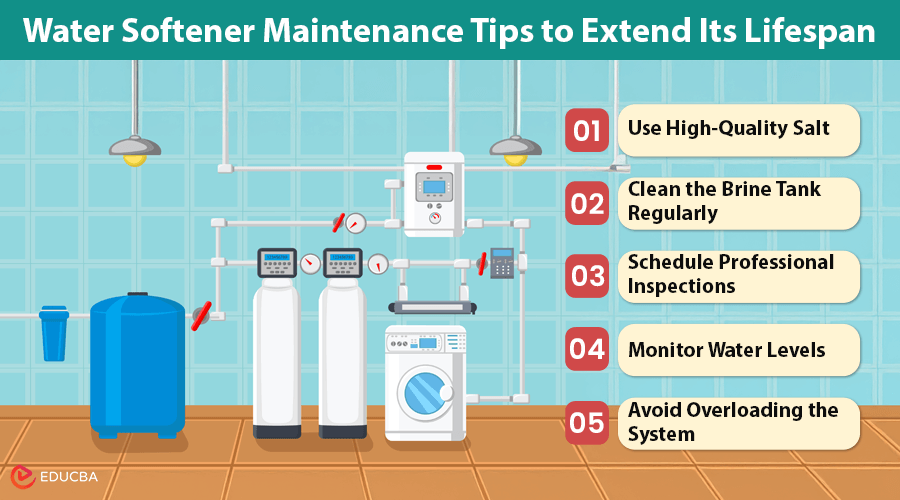 Water Softener Maintenance Guide for Homeowners
Another telltale sign: the salt bridge. That’s when the salt in the brine tank hardens into a solid crust, like a science experiment gone wrong. You break it with a hammer, and the unit works again for a few days, but it’s a band-aid. A real softener death is when the control valve stops cycling. If the little plastic gears inside strip out, you’re basically looking at a salt-eating statue. Repair costs can run $200 to $500, and at that point, you have to ask yourself: is this relationship worth saving?
What Makes a Softener Live to 20?
Here’s the surprising fact: well-maintained softeners can hit 20 years with zero major repairs. The secret is not magic but a few simple habits. First, use a pre-filter to catch sediment before it hits the resin. It’s like giving your softener a bouncer of its own. Second, choose a salt that’s pure—like evaporated salt, not that cheap rock salt that leaves dirt in your tank. Your softener is fancy; feed it accordingly. Third, clean the brine tank once a year. Yes, it’s gross. Yes, you might find a dead spider. But your unit will thank you by not dying at age 9.
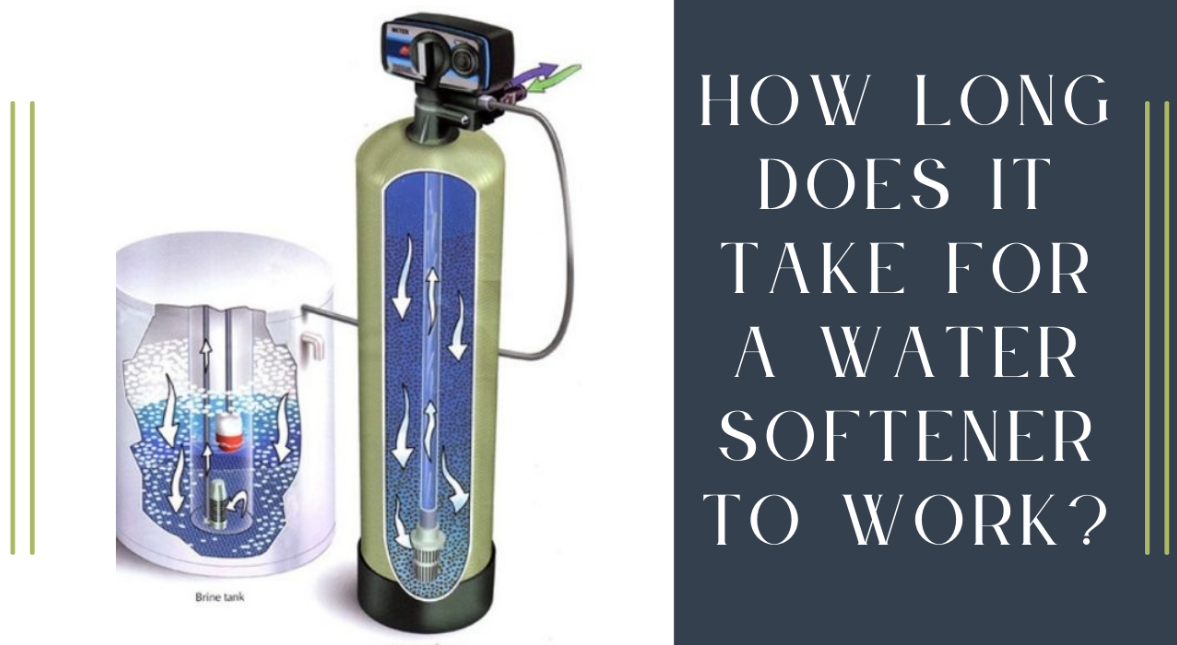 How To Get My Water Softener To Work at Leo Bunker blog
And don’t forget to test your water every few years. If your iron levels spike because a pipe rusted, your resin will get poisoned faster than a cast member of a reality show. You can buy a DIY kit for $10, or you can just wait until your water turns orange and your white socks become tie-dye. Your call.
The “One Last Regeneration” Moment
If your softener does finally keel over, don’t panic. You can often replace just the resin beads or the valve head for a fraction of the cost of a new unit—think $150 to $300 versus $600 to $1,200. But if the tank itself is cracked (look for a puddle of water that smells like salt and regret), it’s time to buy a new one. And when you do, remember this: your new softener’s life starts the day you install it. Feed it good salt, give it clean water, and don’t let it regenerate every night out of paranoia. Treat it like a grumpy but loyal teammate, and you’ll both win.
So, the average life is 10 to 15 years, but with a little love, maybe longer. And if you ignore it completely, well, you’ll be washing your car with hard water and reminiscing about the good old days when your hair felt like silk. That is the real tragedy.
