How Long Does It Take Chlorine To Dissipate

So, you’ve just shocked your pool, bleached a load of whites, or maybe you’re a fish parent thinking about tap water. Suddenly, you’re wondering: how long does chlorine take t...
So, you’ve just shocked your pool, bleached a load of whites, or maybe you’re a fish parent thinking about tap water. Suddenly, you’re wondering: how long does chlorine take to peace out and leave me alone? Well, grab a lawn chair and a little snack, because we’re about to dive into the bubbly, bleach-scented truth.
The Short Answer (For the Impatient)
If you’re in a hurry, here’s the headline: most chlorine dissipates in 24 to 48 hours when left to its own devices in sunlight. But like a grumpy cat, it has its own rules. Direct sunlight is chlorine’s kryptonite—it can knock out half the chlorine in just a couple of hours on a sunny day.
But don’t start planning a pool party just yet. If it’s cloudy, cold, or your water is full of gunk, that chlorine might stick around like an unwanted party guest for up to a week. Patience, young grasshopper.
Must Read
Why Does Sunlight Matter So Much?
Here’s the science, served with a side of fun: ultraviolet (UV) rays from the sun basically bully chlorine molecules into breaking apart. Imagine chlorine getting a sunburn so bad it just gives up and turns into harmless salt and gas. That’s why outdoor pools lose chlorine fast—Mother Nature is the ultimate bleach-hater.
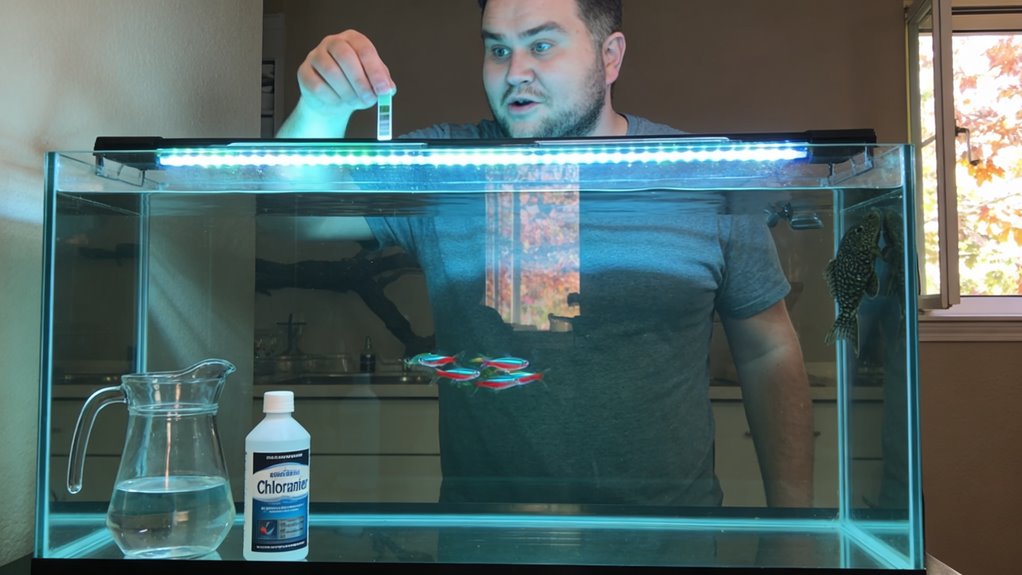
If you’re letting tap water sit to dechlorinate for your fish tank, put it in a clear glass or bucket in direct sun. You’ll be goldfish-ready in 24 hours or less. No sun? You might be waiting three to five days—and your fish will start sending you angry telepathic messages.
What About That “Pool Smell”? (Spoiler: It Ain’t Chlorine)
You know that sharp, stinging smell at public pools? Everyone blames chlorine, but here’s the twist: that smell is actually chloramines, which are chlorine’s dirty diapers. When chlorine mixes with sweat, pee, and dead skin (thanks, summer camp), it creates these stinky compounds that linger.
Chloramines take longer to dissipate than plain chlorine. They laugh in the face of a few hours of sunlight. To get rid of them, you need to “shock” the pool with extra chlorine—which feels weird, but it’s like sending in a clean-up crew to kick the stink out.
 How Long for Chlorine to Evaporate? - PostureInfoHub
So next time someone says, “I can’t swim, too much chlorine,” you can sigh heavily and mutter, “Actually, it’s your friend’s kid’s pee.” You’re welcome.
Temperature and Wind: The Dynamic Duo
Heat makes chlorine evaporate faster—think of it as chlorine sweating itself away. A hot, windy day can cut dissipation time in half. Cold water, on the other hand, is like a slow-mo camera for chlorine; it drags its feet and takes forever.
If you’re in a hurry to swim after a shock treatment, turn on your pool pump and let the water splash. Aeration (bubbles and splashing) speeds up the gas release. You’ll look like a mad scientist, but your pool will be swimmable in 12 to 24 hours instead of two days.
How Long Specifically? Let’s Get Nerdy.
Here’s a rough cheat sheet for you:
- Direct sunlight (outdoor pool): 2–4 hours for half the chlorine to vanish. Full dissipation? 24 hours if you’re lucky.
- Shade or cloudy day: 24–72 hours for most of it to go away.
- Indoor pool or bucket: 3–7 days if you don’t use a dechlorinator. Time to learn patience or buy a chemical remover.
- Boiling water (for drinking or fish tanks): 15–20 minutes. Boiling is like giving chlorine a fast-pass to the exit door. Just let it cool down before you add your pet goldfish—duh.
Pro tip: If you’re trying to get rid of chlorine in drinking water, a pinch of vitamin C powder (ascorbic acid) neutralizes it instantly. Boom. Chemistry for the win.
 Does Chlorine to Dissipate in Tap Water Go Away?
The “But What If I Swim Anyway?” Warning
Look, we all have that friend who cannonballs into a pool right after shocking it, screaming, “I’m a rebel!” And then they’re red-eyed, itchy, and smelling like a bleach bottle for two days. Don’t be that friend.
High chlorine levels can irritate your skin, lungs, and make your swimsuit fade faster than a one-hit wonder’s career. Wait until levels are below 3 ppm (parts per million). Most pool test kits will tell you. If you don’t have one, sniff the water—if it doesn’t sting your nose, you’re probably good. Probably.
A Fun Finale (Because You Made It This Far)
So, how long does it take chlorine to dissipate? The honest answer is: it depends on the weather, the water, and whether the universe is feeling generous that day. But usually, a sunny day and a little patience will sort you out.
Remember, chlorine is just a grumpy janitor trying to do its job. It arrives with a bleach-y shout, scrubs your water clean, and then sneaks off into the sunset (or the gas phase) without saying goodbye. That’s the kind of house guest we all appreciate—one that leaves without asking for a snack.
So next time you’re waiting to swim, just sip a lemonade, watch the bubbles, and smile. The chlorine will vanish. The fun will stay. And you? You’ll be the smart, witty person in the pool who actually understands the secret life of swimming pools. Go you.
