Why Do I Get Indigestion When I Drink Water

Picture this: you’ve just poured yourself a tall, cool glass of water. You take a sip, and instead of refreshment, you’re hit with a familiar, burning sensation in your chest....

Picture this: you’ve just poured yourself a tall, cool glass of water. You take a sip, and instead of refreshment, you’re hit with a familiar, burning sensation in your chest. Indigestion from water? It sounds absurd, like a cosmic joke. But you’re not alone, and there’s a surprisingly logical reason behind this fizzy fiasco.
The Real Culprits Behind a Watery Gut Punch
Your stomach is a sophisticated chemical factory, not a passive tank. It relies on a specific pH balance—a precise level of acidity—to break down food. When you gulp down a large volume of water, especially ice-cold water, you can dilute those crucial digestive enzymes and stomach acids.
Think of it like adding too much water to a strong cup of coffee. The rich flavor gets washed out. In your stomach, this dilution can slow digestion, leading to that bloated, heavy feeling we call indigestion.
Must Read
Another frequent flyer is swallowing air. We all do it, but when we drink water quickly—especially from a bottle or straw—we gulp down extra air along with it. That trapped air needs to escape, causing burping, pressure, and that classic “I ate a balloon” discomfort.
The Temperature Trap
Ever chugged a freezing cold glass of water after a run and felt immediate cramps? There’s a reason. Ice-cold water can shock your digestive system, causing blood vessels in your stomach to constrict. This slows down the entire digestive process, making food and water sit heavier than usual.
Warm or room-temperature water, on the other hand, is like a gentle massage for your gut. It helps dissolve food particles and keeps things moving without the shock factor. Many traditional cultures, from China to India, swear by sipping warm water precisely for this reason.
Fun fact: The Japanese practice of drinking a glass of warm water on an empty stomach is called “sayonara byoki”—which loosely translates to “goodbye, sickness.” A daily ritual for better digestion.
When Water Meets a Sensitive Stomach
Sometimes the issue isn’t the water, but your stomach’s current state of mind. If you already have a sensitive stomach—due to stress, heartburn, or a condition like gastritis—even plain water can trigger a reaction. It’s like rubbing a sunburn: harmless in theory, painful in practice.
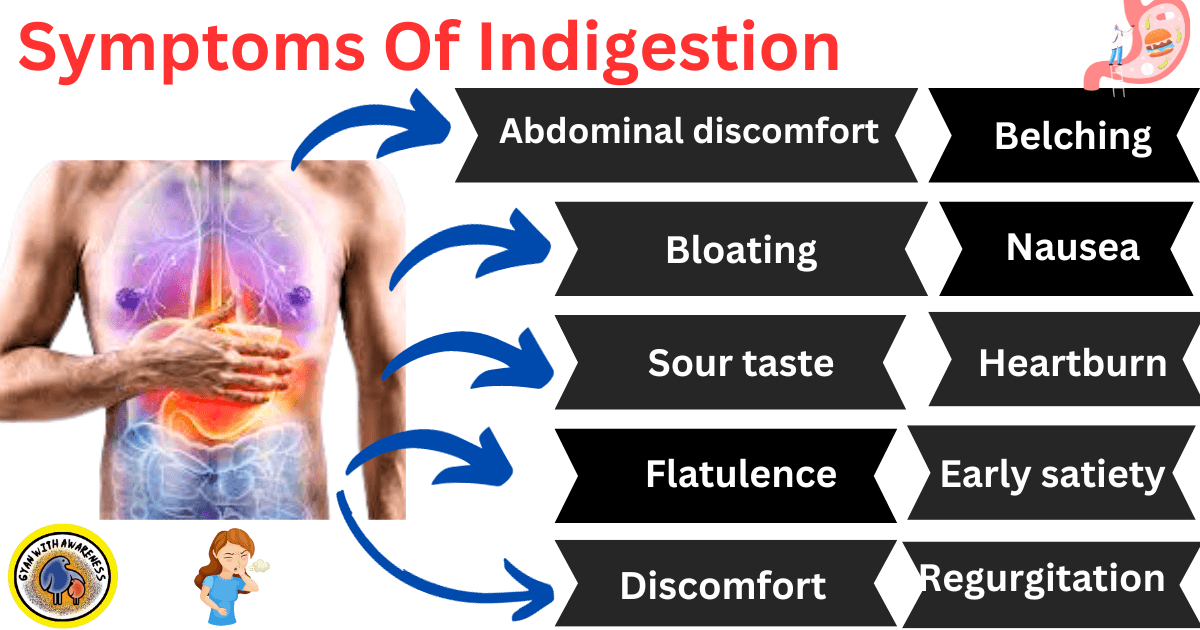 Decoding Indigestion: Symptoms, Causes, And 10 Effective Treatments
Your stomach lining has a protective mucus layer. If that layer is compromised (from, say, too much spicy food or aspirin), the water can irritate exposed nerve endings. That irritation can feel exactly like the burn of acid reflux, even though it’s just H2O.
Another hidden factor: carbonated water. Seltzer, sparkling water, and club soda add carbon dioxide gas, which directly inflates your stomach. For some people, that fizzy joy is a fast track to bloating and belching. If you’re prone to indigestion, flat water is your friend.
Practical Tips for Easy Drinking
First, slow down. Instead of chugging, sip. Treat your water like a fine wine—not a fire hose. Aim to drink small amounts throughout the day rather than one giant glass at a time. Your stomach will thank you for the gradual approach.
Second, watch the temperature. If you’re prone to indigestion, try drinking water that’s cool but not icy. A glass of water left out for ten minutes is often perfect. Some people even find that a slice of ginger or lemon in warm water helps settle the stomach before the liquid hits it.
Third, check your posture. Slouching while drinking can compress your stomach and trap air. Sit up straight, take a breath, and let your esophagus open naturally. It’s a small shift, but it makes a big difference in how your body handles the liquid.
 what is indigestion and how it is treated - Brainly.in
Fun fact: The average person swallows about two liters of air every day just from eating and drinking. That’s enough to fill a small helium balloon. No wonder we sometimes feel inflated.
The Cultural Context
In many parts of the world, drinking water with meals is actively discouraged. In Italy, they often sip it after eating. In Ayurveda, an ancient Indian system, room-temperature water is recommended to “stoke the digestive fire,” while ice water is said to “put it out.”
Modern science backs this up: studies show that drinking large amounts of water during a meal can disrupt the first stage of digestion in the mouth and stomach. The key isn’t to avoid water—it’s to respect your body’s rhythm. Drink between meals, not just during them.
One common trick from gastro doctors is the “two-hour rule.” Don’t drink large amounts of water for two hours after a heavy meal. This gives your stomach time to process the food without diluting its acids. If you’re thirsty, take small sips—just enough to wet your whistle, not fill your tank.
A Final Reflection
Our bodies are brilliant, but they’re also brilliantly quirky. The fact that something as simple as water can cause indigestion is a reminder that wellness isn’t about rules—it’s about listening. Your digestion is a personal conversation between you and your environment.
So the next time you feel that uncomfortable gurgle, don’t panic. Adjust your pace, your posture, or your water temperature. And remember: sometimes the most basic things—like a glass of water—deserve your full attention. After all, in a world full of complicated choices, sipping slowly might just be the simplest act of self-care you can practice.
