Why Is My Well Water Yellow All Of A Sudden

Last Tuesday, I poured myself a tall glass of water from the tap, took a big gulp, and literally froze. It wasn't the cold that got me—it was the color. My perfectly clear wel...

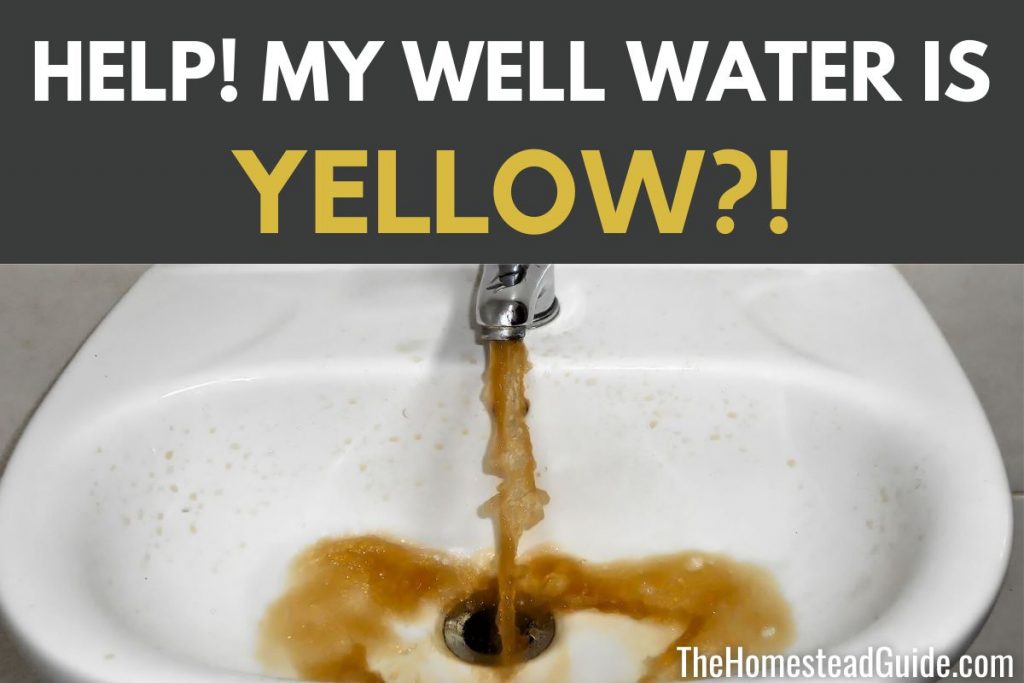
Last Tuesday, I poured myself a tall glass of water from the tap, took a big gulp, and literally froze. It wasn't the cold that got me—it was the color. My perfectly clear well water had turned the shade of a cheap, weak iced tea. I stared at the glass, half-expecting a tea bag to float to the surface. Why is my well water yellow all of a sudden? I whispered to the sink. If you’re here, you’re probably staring at the same weird, golden liquid right now. Don’t panic—let’s figure this out together, because I’ve been there, and the answer is usually less scary than your first thought. (Spoiler: it’s probably not your house flooding.)
The Most Obvious Suspect: Iron and Manganese
Let’s get the boring science out of the way first—I promise it’s quick. Iron and manganese are the rock stars of yellow well water. They’re naturally present in the ground, and when they dissolve into your water, they can turn it that sickly yellow-green hue. Think of it like a rusty penny left in the rain—the same chemistry is happening in your pipes. But why all of a sudden? you ask. Great question. Often, a change in the water table or nearby construction can stir up these minerals. If you just had a heavy rain or a drought, the water pressure shifts, and suddenly those minerals get unleashed. It’s like shaking up a snow globe—except the snow is iron.
The “Bacteria Are Throwing a Party” Theory
Here’s a gross but true possibility: iron bacteria. These little guys feed on the iron in your water and leave behind a slimy, yellowish residue. Sounds charming, right? If your water smells a bit like rotten eggs or has a weird, oily film on top, you’ve got a bacterial party in your plumbing. The sudden yellow color might mean the colony just hit a growth spurt—maybe from a warm spell or a change in your pump’s operation. Don’t freak out, though: it’s not dangerous, just disgusting. You can shock-chlorinate your well to kick them out. (Pro tip: wear old clothes when you do it, because bleach is not your friend.)
Must Read
Another common culprit is tannins—yes, like in wine or tea. These are organic compounds from decaying leaves and vegetation that seep into your groundwater. If you live near a swamp, a forest, or even a soggy patch of land, tannins can stain your water a dark, tea-like yellow. Why now? Maybe a beaver dam shifted, or a neighbor cleared some trees. Mother Nature works in mysterious, inconvenient ways. The good news? Tannins are harmless, just ugly. A carbon filter will fix them faster than you can say “pass the lemon.”
Check Your Plumbing and Well System First
Before you blame the earth itself, look closer to home. Old pipes, especially galvanized steel ones, can rust inside and turn your water yellow. That sudden color might mean a pipe just broke or a valve corroded. I once spent three days panicking about my well, only to discover a rusty water heater had been slowly dying. The moment it gave up, my entire house looked like a coffee shop. Also, check your well cap for cracks. If dirt or surface water got in after a storm, it can stir up sediment. You’d be surprised how often a simple loose cap is the villain.
 Water Pitchers - Alkaline Water Point
A Quick Test to Rule Out the Scary Stuff
If you’re worried about contaminants like sewage or chemicals, here’s a simple trick. Fill a clear glass with that yellow water and let it sit for an hour. Does it clear from the bottom up? If yes, it’s likely just sediment or iron particles settling. If it stays uniformly yellow or turns darker, you might have a chemical issue. Another test: shake the glass of water. If it turns cloudy quickly, that’s a sign of dissolved minerals like sulfur. Still stressed? Spend 50 bucks on a home water test kit. Seriously, it’s cheaper than a therapist and more accurate than guessing. I’m not a doctor, but I play one in my kitchen—and the test kit never lies.
When to Call a Pro (And When to Relax)
Look, 90 percent of the time, yellow well water is just annoying, not dangerous. If you’ve ruled out a metallic taste or bad smell, you’re probably safe to drink it—although I wouldn’t offer it to guests. However, call a well professional if the yellow shows up after a flood, earthquake, or nearby construction. Also, if the color is dark brown or you see visible particles, don’t wait. That could mean your well casing collapsed or a pump is failing. But if it’s just pale yellow and you’re tired of looking at it, start with a whole-house iron filter. I installed one last month, and now my water is clearer than my conscience on a good day. Honestly, the most frustrating part is that it’s never one easy answer. But hey, that’s the charm of living off the grid—or, you know, just outside the city limits. You’ve got this. And if all else fails, buy a Brita pitcher and pretend you’re fancy.